
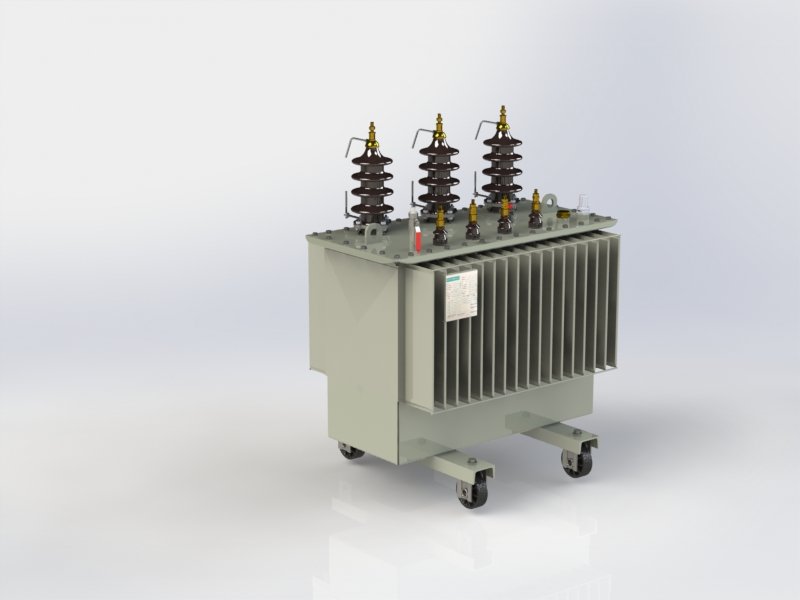
Electric power is a basic need for homes, businesses, industries, hospitals, schools, and many other places. However, electricity generated at power stations cannot be used directly by most electrical equipment. The voltage levels need to be changed to match the requirements of different systems. This is where transformers play a very important role.
A 100 kva transformer is one of the most commonly used transformers in power distribution. It is widely used in residential areas, commercial buildings, small industries, hospitals, and educational institutions. This transformer offers a perfect balance between power capacity, efficiency, and affordability.
In this detailed blog, we will explain what a 100 kVA transformer is, how it works, its types, applications, advantages, installation guidelines, maintenance tips, and safety aspects. The language is kept very simple and easy to understand, making it useful for beginners as well as professionals.
What Is a 100 kVA Transformer?
A transformer is an electrical device that changes voltage levels in an electrical circuit. It can either increase voltage (step-up transformer) or decrease voltage (step-down transformer).
The term 100 kVA refers to the power rating of the transformer. Here:
- kVA means kilovolt-ampere
- 100 kVA indicates the maximum load the transformer can safely handle
This type of transformer is mainly used to distribute electricity at lower voltage levels for safe usage in buildings and equipment.
In simple words, a 100 kVA transformer ensures that electrical power is delivered safely and efficiently to various electrical systems.
Why Is a 100 kVA Transformer Important in Power Distribution?
Power distribution is the process of delivering electricity from power stations to end users. This process involves many voltage changes to reduce power loss and improve safety.
A 100 kVA transformer plays a key role in:
- Reducing high voltage to usable levels
- Maintaining stable power supply
- Protecting electrical equipment
- Improving energy efficiency
Without transformers, it would be impossible to supply electricity safely to homes, offices, and industries.
Basic Working Principle of a 100 kVA Transformer
A transformer works on the principle of electromagnetic induction. It consists of three main parts:
- Primary Winding – Receives the input voltage
- Secondary Winding – Delivers the output voltage
- Magnetic Core – Transfers magnetic energy between windings
When alternating current (AC) flows through the primary winding, it creates a magnetic field in the core. This magnetic field then induces voltage in the secondary winding. The voltage level depends on the number of turns in each winding.
This simple process allows voltage to be increased or decreased without changing the frequency.
Types of 100 kVA Transformers
There are different types of 100 kVA transformers designed for various applications. Each type serves a specific purpose based on installation location, insulation, and cooling methods.
1. Oil-Filled Transformer
This is the most commonly used type. It uses insulating oil for cooling and insulation.
Features:
- High efficiency
- Good cooling performance
- Long service life
Applications:
- Outdoor installations
- Industrial power supply
- Utility distribution networks
2. Dry-Type Transformer
This transformer uses air instead of oil for cooling.
Features:
- Fire-safe
- Low maintenance
- Environment-friendly
Applications:
- Indoor installations
- Hospitals
- Shopping malls
- Office buildings
3. Pole-Mounted Transformer
This transformer is installed on electric poles.
Features:
- Compact design
- Used in rural and residential areas
Applications:
- Residential power distribution
- Street lighting systems
4. Pad-Mounted Transformer
This type is installed at ground level inside protective enclosures.
Features:
- Safe design
- Easy maintenance
Applications:
- Housing societies
- Commercial complexes
- Underground power distribution systems
Key Components of a 100 kVA Transformer
Understanding the main components helps in better operation and maintenance.
1. Core
Made of laminated steel sheets to reduce energy loss. It provides a path for magnetic flux.
2. Windings
Copper or aluminum coils that carry electrical current.
3. Insulation
Protects windings and prevents electrical short circuits.
4. Cooling System
Oil or air is used to control temperature.
5. Tank and Enclosure
Protects internal parts from dust, moisture, and physical damage.
Applications of 100 kVA Transformer
A 100 kVA transformer is widely used in many sectors because of its versatile capacity.
1. Residential Buildings
In housing colonies and apartment complexes, this transformer supplies stable power for:
- Lighting
- Fans
- Air conditioners
- Refrigerators
- Washing machines
2. Commercial Buildings
Used in:
- Shopping malls
- Office complexes
- Hotels
- Restaurants
It ensures smooth power supply to lighting systems, lifts, computers, air conditioners, and other equipment.
3. Small and Medium Industries
Industries depend on transformers for:
- Machine operation
- Motor drives
- Control panels
- Production equipment
A 100 kVA transformer supports stable industrial performance.
4. Hospitals and Healthcare Centers
Hospitals require uninterrupted power for:
- Medical equipment
- Operation theaters
- ICU systems
- Emergency backup systems
A reliable transformer is critical in healthcare environments.
5. Educational Institutions
Schools and colleges use transformers to supply power for:
- Classrooms
- Laboratories
- Computer centers
- Libraries
6. Agricultural Sector
Used for irrigation pumps, cold storage, and farm machinery.
Advantages of Using a 100 kVA Transformer
1. High Efficiency
Delivers power with minimal losses, saving energy and reducing electricity bills.
2. Reliable Power Supply
Ensures stable voltage output, protecting equipment from damage.
3. Compact Design
Easy to install in limited spaces.
4. Low Maintenance
Requires minimal maintenance if installed correctly.
5. Cost-Effective
Affordable compared to higher capacity transformers, making it ideal for small to medium power needs.
Installation Guidelines for 100 kVA Transformer
Proper installation is essential for safe and long-term operation.
1. Site Selection
Choose a dry, ventilated, and accessible area. Ensure there is enough space for airflow and maintenance.
2. Foundation Preparation
The transformer should be installed on a strong, level base to avoid vibration and misalignment.
3. Electrical Connections
Proper cable sizing, grounding, and protection devices should be used to avoid overload and short circuits.
4. Safety Clearance
Maintain sufficient distance from buildings and other equipment to prevent overheating and ensure safety.
Cooling Methods Used in 100 kVA Transformers
1. Oil Natural Air Natural (ONAN)
Uses natural oil circulation and air cooling. Most common and cost-effective.
2. Air Natural (AN)
Used in dry-type transformers where natural airflow cools the system.
Proper cooling improves efficiency and increases transformer lifespan.
Maintenance Tips for Long Life
Regular maintenance helps avoid breakdowns and ensures safe operation.
1. Visual Inspection
Check for oil leaks, rust, dust buildup, and loose connections.
2. Oil Testing (For Oil-Filled Transformers)
Test oil quality for insulation strength and moisture content.
3. Temperature Monitoring
Ensure operating temperature stays within safe limits.
4. Cleaning
Keep cooling fins and ventilation areas clean.
5. Electrical Testing
Periodically test insulation resistance and winding continuity.
Common Problems and Solutions
1. Overheating
Cause: Overload, poor ventilation
Solution: Reduce load, improve cooling
2. Voltage Fluctuations
Cause: Load imbalance
Solution: Balance load distribution
3. Oil Leakage
Cause: Gasket damage or corrosion
Solution: Replace seals and repair leaks
4. Noise
Cause: Loose core or mounting
Solution: Tighten bolts and ensure proper installation
Safety Precautions While Using 100 kVA Transformer
- Proper grounding must be ensured
- Install circuit breakers and fuses
- Restrict unauthorized access
- Display safety warning signs
- Perform routine inspections
These safety steps reduce the risk of electrical accidents and equipment damage.
Environmental Impact and Energy Efficiency
Modern transformers are designed to reduce energy losses and environmental impact.
- Low-loss core materials
- Eco-friendly insulation oils
- Reduced noise pollution
Using energy-efficient transformers helps lower carbon emissions and supports sustainable power systems.
How to Choose the Right 100 kVA Transformer?
When selecting a transformer, consider the following:
- Load requirement
- Voltage rating
- Installation location
- Cooling type
- Safety standards
- Manufacturer reliability
Choosing the correct model ensures long life, better performance, and safety.
Future Trends in Transformer Technology
- Smart transformers with digital monitoring
- Improved insulation materials
- Higher efficiency designs
- Compact and lightweight models
These innovations will make transformers more efficient, safer, and easier to maintain.
Conclusion
A 100 kva transformer plays a vital role in modern power distribution. It provides reliable, efficient, and safe electrical supply to homes, offices, hospitals, industries, and many other sectors. With its balanced capacity, easy installation, and low maintenance requirements, it is an ideal solution for medium-scale power needs.
Understanding its working principle, types, applications, and maintenance practices helps users make informed decisions and ensure long-term performance. When selecting a transformer, quality, safety, and reliability should always be the top priorities.
For dependable transformer solutions that meet high standards of performance and durability, Prabha Power delivers trusted products designed for modern electrical systems. Their commitment to quality ensures efficient power distribution for various applications.