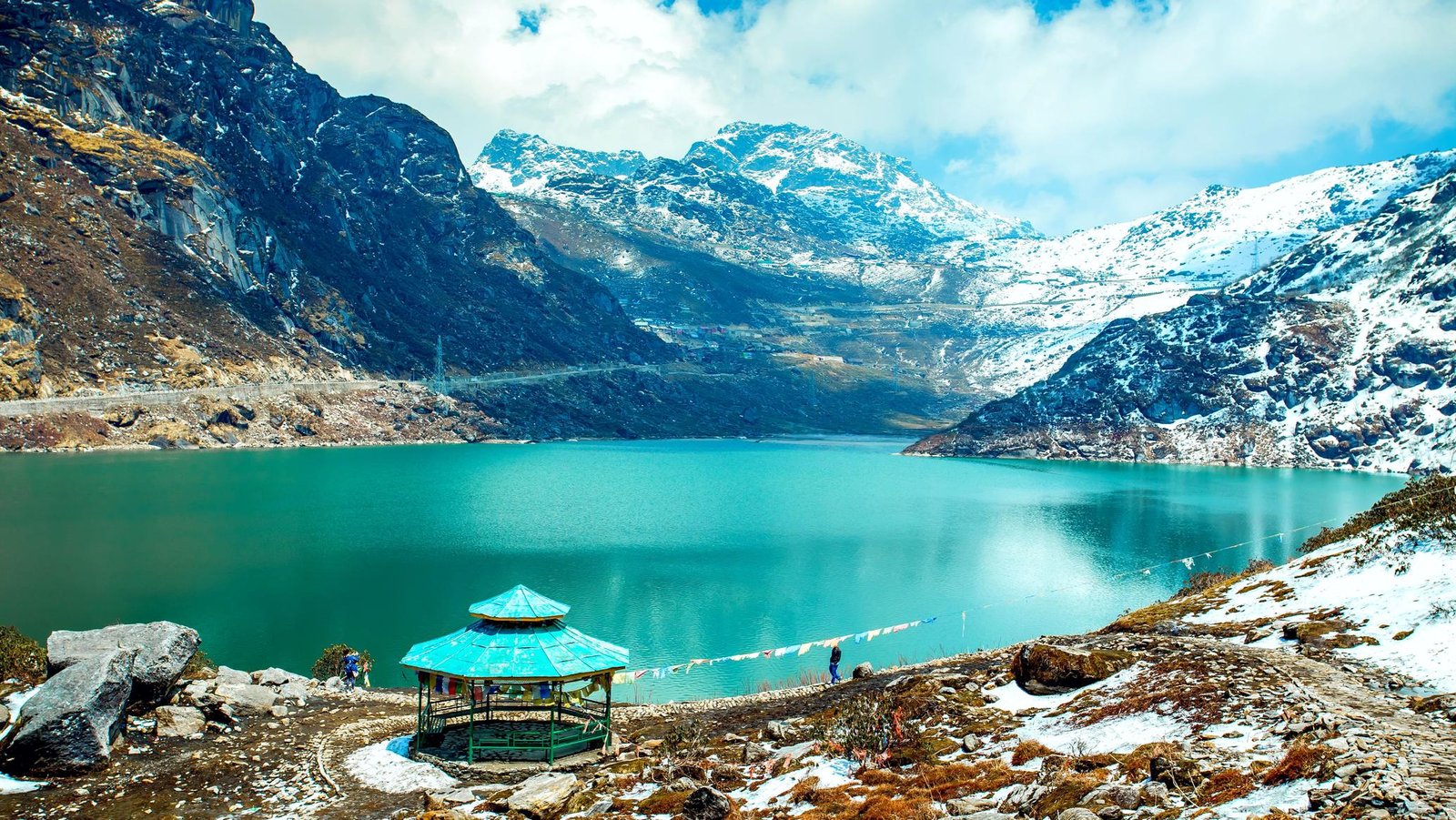
Sikkim, India’s northeastern jewel, is a land of snow-capped mountains, glacial lakes, monasteries, and vibrant culture. Exploring Sikkim Tourism means discovering breathtaking landscapes, rich traditions, and unforgettable experiences. Nestled in the Eastern Himalayas, this small state offers travelers a unique blend of adventure, spirituality, and natural beauty.
Why Choose Sikkim Tourism?
- Himalayan Beauty: Panoramic views of Kanchenjunga, the world’s third-highest peak.
- Adventure: Trekking, river rafting, paragliding, and mountaineering.
- Culture: Tibetan Buddhist monasteries, festivals, and handicrafts.
- Nature: Glacial lakes, valleys, waterfalls, and wildlife sanctuaries.
- Spirituality: Meditation retreats, sacred sites, and pilgrimage destinations.
Top Tourist Places in Sikkim
1. Gangtok – The Capital City
- Highlights: MG Marg, Rumtek Monastery, Tashi Viewpoint, Ropeway.
- Experience: Urban vibrancy with Himalayan charm.
2. Tsomgo Lake (Changu Lake)
- Highlights: Sacred glacial lake at 12,313 ft.
- Experience: Yak rides, photography, and seasonal alpine flowers.
3. Nathula Pass
- Highlights: Historic Indo-China border pass at 14,140 ft.
- Experience: Snow-covered landscapes, Indo-China trade route.
4. Pelling
- Highlights: Panoramic views of Kanchenjunga, Pemayangtse Monastery, Rabdentse Ruins.
- Experience: Heritage and mountain vistas.
5. Yuksom
- Highlights: Gateway to Kanchenjunga treks.
- Experience: Trekking, monasteries, and historical significance.
6. Lachung
- Highlights: Yumthang Valley (Valley of Flowers), Zero Point.
- Experience: Alpine meadows, rhododendrons, snow adventures.
7. Lachen
- Highlights: Gurudongmar Lake, Chopta Valley.
- Experience: High-altitude excursions and spiritual journeys.
8. Namchi
- Highlights: Char Dham, Samdruptse Hill.
- Experience: Pilgrimage and cultural immersion.
9. Ravangla
- Highlights: Buddha Park, Ralang Monastery.
- Experience: Spiritual retreats and scenic beauty.
10. Zuluk
- Highlights: Old Silk Route, winding roads.
- Experience: Offbeat adventure and photography.
Comparison of Major Attractions
| Destination | Best For | Key Highlights | Accessibility |
| Gangtok | Culture lovers | Monasteries, MG Marg | Central hub |
| Tsomgo Lake | Nature lovers | Glacial lake, yak rides | 40 km from Gangtok |
| Nathula Pass | Adventure seekers | Indo-China border | 56 km from Gangtok |
| Pelling | Heritage travelers | Monasteries, ruins | 115 km from Gangtok |
| Lachung | Nature lovers | Yumthang Valley | 110 km from Gangtok |
| Lachen | Pilgrims | Gurudongmar Lake | 120 km from Gangtok |
| Namchi | Spiritual travelers | Char Dham | 78 km from Gangtok |
| Ravangla | Peace seekers | Buddha Park | 65 km from Gangtok |
Best Time to Explore Sikkim Tourism
- March–June: Pleasant weather, blooming flowers.
- October–December: Clear skies, snow-capped peaks.
- January–February: Heavy snow; high-altitude passes often inaccessible.
- July–September: Monsoon rains; avoid due to landslides.
Activities in Sikkim Tourism
- Adventure: Trekking (Kanchenjunga Base Camp, Dzongri Trek), paragliding, rafting.
- Cultural: Monastery visits, Tibetan museum tours, festivals.
- Nature: Birdwatching, camping, photography.
- Relaxation: Spa, meditation retreats, village homestays.
- Shopping: Handicrafts, woolens, carpets, and local tea.
Festivals in Sikkim
- Losar Festival: Tibetan New Year with cultural performances.
- Saga Dawa: Celebrates Buddha’s birth, enlightenment, and death.
- Pang Lhabsol: Honors Mount Kanchenjunga.
- Hemis Festival: Masked dances at monasteries.
Sample Itinerary – 7-Day Sikkim Tour
Day 1: Arrival in Gangtok, explore MG Marg and Ropeway.
Day 2: Visit Tsomgo Lake and Nathula Pass.
Day 3: Explore Rumtek Monastery, Tashi Viewpoint, and Do Drul Chorten.
Day 4: Drive to Lachung, visit Yumthang Valley.
Day 5: Excursion to Zero Point, return to Gangtok.
Day 6: Travel to Pelling, visit Pemayangtse Monastery and Rabdentse Ruins.
Day 7: Visit Namchi’s Char Dham and Samdruptse Hill, departure.
Travel Tips
- Permits: Required for Nathula Pass, Gurudongmar Lake, and Zero Point.
- Clothing: Carry woolens; temperatures drop suddenly.
- Health: Acclimatize properly to avoid altitude sickness.
- Transport: Hire local taxis or book guided tours.
- Cuisine: Try Sikkimese dishes like thukpa, momos, and yak cheese.
Why Sikkim Tourism is Popular
- Spiritual Growth: Connect with monasteries and meditation.
- Cultural Insight: Witness centuries-old traditions.
- Adventure: Trekking, biking, and rafting in pristine landscapes.
- Unique Experience: Blend of devotion, adventure, and natural beauty.
Conclusion
Sikkim is not just a destination—it is an experience that transforms travelers. From the shimmering Tsomgo Lake to the rugged Nathula Pass, from the serenity of Rumtek Monastery to the thrill of Gurudongmar Lake, every corner of Sikkim tells a story. Exploring Sikkim Tourism ensures a well-planned, hassle-free, and enriching journey across India’s most enchanting Himalayan state.
Whether you are a pilgrim, a trekker, or a cultural explorer, Sikkim promises a transformative Himalayan experience.