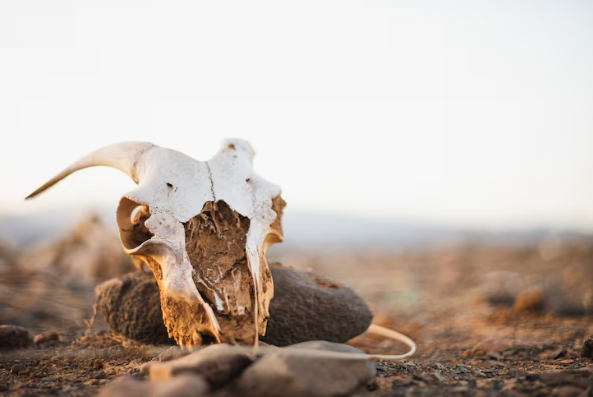
If you want a European mount or skull display from your deer harvest, defleshing is where the real work happens. This is the process of removing all the soft tissue from the skull so you can move on to cleaning, degreasing, and whitening. Done right, it sets you up for a quality finished piece. Done wrong, it can damage the bone or leave you with a skull that never stops smelling.
There are a few different approaches to defleshing, and the one you choose depends on your timeline, available space, and comfort level with the process. Let’s walk through the main methods and what to expect from each.
Starting with the Knife Work
Before any other defleshing method, you need to remove as much tissue as possible by hand. This rough cleaning makes everything that follows more effective and faster.
Skin the skull completely if you have not already. Work carefully around the eyes, nose, and ears where the hide adheres tightly. A scalpel or sharp fleshing knife helps in these areas.
Remove the large muscle groups from the skull. The jaw muscles are substantial on a deer, and getting those off opens up access to more of the bone surface. Cut through the connective tissue at the jaw joint to detach the lower mandible. You will clean these pieces separately.
Scoop out the brain through the opening at the skull base. A bent piece of wire works well for this. The brain tissue needs to come out early because it is high in fat and breaks down quickly. Leaving it in causes staining and odor problems later.
Do not worry about getting every scrap of tissue during this stage. You are just removing the bulk to make the next steps more effective.
The Maceration Method
How to deflesh a deer skull ? Maceration is the most reliable way to deflesh a deer skull without risking damage. The process uses water and naturally occurring bacteria to break down soft tissue over time.
Fill a container large enough to submerge the skull in warm water. Temperature matters here. You want the water between 75 and 90 degrees Fahrenheit. Warmer speeds the bacterial action, but going over 100 degrees can damage the bone.
Submerge the skull and let it sit. The water will become cloudy and develop an odor as tissue breaks down. This is normal and means the process is working. Change the water every three to five days.
Depending on how much tissue remained after your knife work, maceration takes two to four weeks. The skull is ready when all soft tissue has dissolved and the bone feels smooth.
One caution with maceration: protect the antlers if they are still attached. Water can discolor and soften antler material. Wrap them in plastic or position the skull so only the bone portion stays submerged.
Simmering as an Alternative
If you need faster results, simmering can work. This method uses heat to loosen tissue, which you then scrape away. It requires more hands-on attention than maceration and carries some risk if you are not careful.
The key rule is never boil the skull. Boiling damages bone structure, makes it chalky and brittle, and can cook grease into the bone permanently. Keep the water at a low simmer, well below a rolling boil.
Add a small amount of dish soap to help cut grease. Let the skull simmer for an hour or two, then remove it and scrape away the loosened tissue. You may need to repeat this several times to get everything off.
After simmering, the skull still needs degreasing. Simmering alone does not remove the oils from inside the bone.
Using Dermestid Beetles
Some taxidermists and skull collectors use dermestid beetles for defleshing. These insects eat soft tissue and leave bone clean without any water or heat exposure.
Maintaining a beetle colony requires some setup and ongoing care. The beetles need controlled temperature, proper housing, and a consistent food source. This method is not practical for most hunters who only process a skull or two each season.
Professional operations like Tori’s Taxidermy sometimes maintain beetle colonies for skull cleaning because the volume justifies the setup. For individual hunters, maceration or simmering usually makes more sense.
Safety Considerations
Defleshing involves handling decomposing tissue, which means taking some basic precautions.
Work outdoors or in a well-ventilated space. The smell from maceration in particular can get intense, and you do not want it permeating your living areas.
Wear gloves when handling the skull during processing. Bacteria levels are high, and any cuts or scrapes on your hands could become infected.
Dispose of waste water properly. Dumping maceration water in your yard can create odor problems and attract pests. A sewer drain or septic system handles it better.
After Defleshing
Once the skull is clean of tissue, you still have degreasing and whitening ahead. These steps are important for a finished result that looks good and does not develop problems over time.
Deer skulls have less grease than bear skulls, but they still need degreasing. A few weeks in a solution of warm water and dish soap pulls the oils out of the bone. Skipping this step leads to yellow staining later.
Whitening with hydrogen peroxide brings the skull to display condition. Never use bleach, which damages bone structure and causes long-term deterioration.
Knowing When to Outsource
Defleshing is not difficult, but it does require time, space, and tolerance for unpleasant smells. Not everyone has a spot where they can keep a bucket of macerating skull for a month.
If your situation does not accommodate the process, professional skull cleaning is an option. Shops that handle taxidermy regularly, like Tori’s Taxidermy, offer skull preparation services that take care of defleshing through finishing. You drop off the skull after your initial knife work, and they handle the rest.
Either way, defleshing done correctly gives you a clean foundation for a skull mount you can be proud of.