Human spaces and natural habitats increasingly overlap, creating moments where coexistence feels challenging rather than harmonious. Gardens, patios, rooftops, and agricultural zones often attract pollinators because they offer food, shelter, and favorable microclimates. While these insects play an essential ecological role, their presence near homes or workplaces can cause discomfort, especially for individuals unfamiliar with their behavior. The challenge lies not in elimination but in respectful management that prioritizes safety, sustainability, and environmental responsibility. Learning how to discourage unwanted proximity without disrupting natural balance requires understanding behavior, environmental cues, and ethical intervention strategies. When approached thoughtfully, it becomes possible to protect personal spaces while preserving the health of surrounding ecosystems.
Why Bees Are Drawn to Human Environments
To manage proximity effectively, it is first necessary to understand the motivations driving these insects toward human spaces. Flowers, fruit trees, water sources, and sheltered structures replicate natural foraging and nesting conditions. Urban landscaping often unintentionally concentrates these resources, creating attractive environments. Open garbage bins, sugary spills, and compost piles further amplify attraction, particularly during warmer seasons when activity peaks.
Environmental stressors also influence movement patterns. Habitat loss, pesticide exposure, and climate fluctuations push pollinators to seek alternative resources, often leading them into residential areas. This migration is not aggressive but adaptive, reflecting survival instincts rather than intrusion. Recognizing this context reframes the situation, shifting perception from nuisance to coexistence challenge.
Behavioral patterns further explain why encounters increase during specific times. Spring and early summer support colony growth, increasing foraging activity and visibility. Late summer scarcity may drive intensified searching behaviors. Understanding these cycles allows property owners to anticipate periods of heightened presence and adjust management strategies proactively.
By acknowledging these factors, individuals can make informed decisions that reduce attraction without causing ecological harm. Awareness transforms reactive responses into preventative planning rooted in respect for natural systems.
Natural Landscaping Strategies That Deter Bees Humanely
Landscaping choices significantly influence pollinator behavior, offering opportunities to redirect activity without destruction. Selecting plants with lower nectar production near living spaces reduces attraction while preserving pollinator-friendly zones elsewhere. Strategic placement ensures flowering species remain available in designated garden areas away from high-traffic zones.
Water management also plays a critical role. Open water sources attract foraging insects seeking hydration, especially during dry periods. Covered fountains, moving water features, or shallow sources placed away from entrances help minimize congregation near people. Similarly, sealing cracks, hollow posts, and unused cavities discourages nesting opportunities without harming existing colonies.
Scent management offers another humane deterrent. Certain natural aromas, including citrus and specific herbs, discourage lingering without causing injury. These scents can be introduced through plants or essential oil solutions applied carefully around entry points. Unlike chemical repellents, natural methods avoid environmental contamination and unintended consequences.
Consistency remains essential for effectiveness. Occasional adjustments yield limited results, whereas integrated landscaping strategies gradually reshape foraging patterns. Over time, pollinators learn to prioritize more suitable habitats, reducing unwanted proximity organically.
Safe Household Practices to Keep Bees Away Responsibly
Everyday habits influence how welcoming a space appears to foraging insects. Food storage and waste management directly affect attraction levels, as exposed sugars and residues signal easy resources. Sealing containers, cleaning outdoor eating areas promptly, and managing compost responsibly significantly reduce incidental encounters.
Structural maintenance further supports prevention. Repairing screens, sealing vents, and closing gaps around doors prevent entry without trapping or harming insects. These measures enhance overall home integrity while supporting humane management goals. Lighting choices also matter, as certain light spectrums attract insects during evening hours. Adjusting outdoor lighting reduces nocturnal activity near entrances.
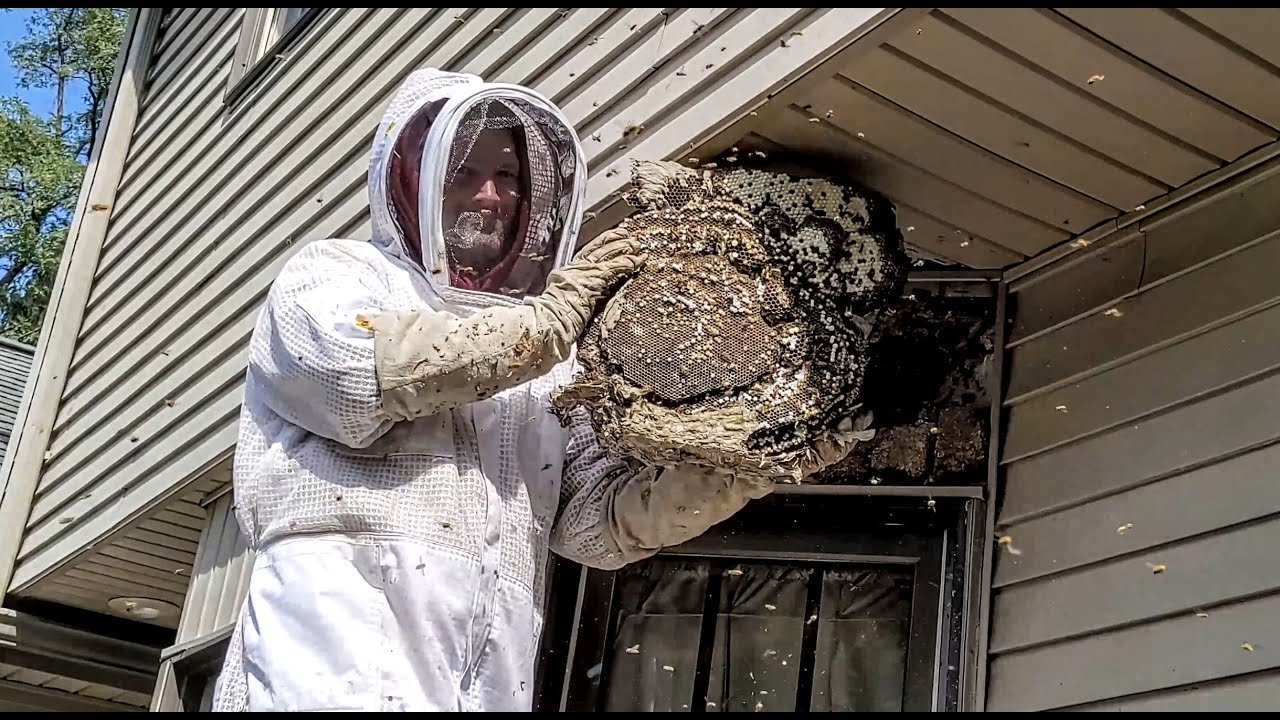
In situations where presence escalates beyond manageable levels, professional guidance becomes necessary. Consulting a bee removal service in Fountain Valley offers residents access to humane relocation solutions that protect both people and pollinators. Such services prioritize non-lethal methods, ensuring colonies are safely transferred to appropriate habitats rather than destroyed. Integrating professional support demonstrates commitment to ethical coexistence when personal measures prove insufficient. By combining mindful habits with structural awareness, households create environments that discourage lingering without disrupting ecological balance.
Ecological Importance of Bees and Ethical Deterrence
Pollinators underpin global food systems, supporting plant reproduction and biodiversity across ecosystems. Their decline poses serious risks to agriculture, wildlife, and human nutrition. Consequently, any management approach must prioritize conservation alongside personal safety. Ethical deterrence recognizes this responsibility, avoiding harmful chemicals and destructive interventions. Scientific research highlights the cascading effects of pollinator loss, including reduced crop yields and ecosystem instability. These findings reinforce the importance of humane practices that preserve population health. Deterrence methods should therefore focus on redirection rather than removal, encouraging natural behaviors without causing stress or mortality.
Education plays a vital role in shaping responsible responses. When communities understand ecological interdependence, fear-driven reactions diminish. Awareness campaigns, school programs, and local initiatives foster appreciation and informed decision-making. This cultural shift supports long-term coexistence rather than short-term fixes. Ethical management aligns human interests with environmental stewardship, ensuring that protective actions today do not compromise ecological resilience tomorrow.
Long-Term Coexistence Between Humans and Bees
Sustainable coexistence requires viewing human spaces as part of broader ecological networks rather than isolated environments. Designing landscapes with intentional pollinator zones balances attraction and separation effectively. Community-level planning further enhances outcomes by coordinating efforts across neighborhoods, reducing localized pressure. Policy and urban planning increasingly reflect this perspective, integrating green corridors and pollinator-friendly initiatives within cities. These measures provide alternative habitats, reducing reliance on residential spaces. Individual participation strengthens these efforts, demonstrating collective commitment to environmental health.
Ultimately, coexistence thrives through patience, understanding, and adaptability. Encounters become opportunities for learning rather than conflict, fostering respect for natural processes. By adopting humane deterrence strategies, individuals protect their spaces while contributing to ecological stability. Keeping bees away without harm reflects a broader philosophy of living responsibly within shared ecosystems. Through informed action and ethical choices, harmony becomes achievable, benefiting both people and the natural world they inhabit.