
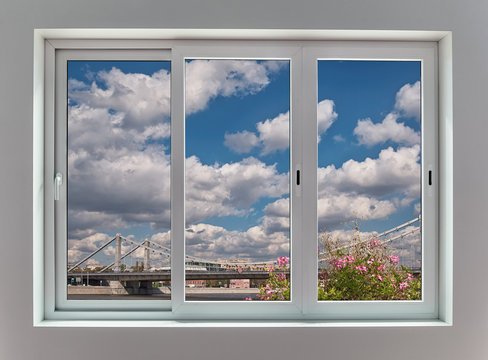
Modern residential design increasingly prioritizes efficiency, openness, and long-term functionality. Homeowners today seek fenestration solutions that balance space optimization, durability, and visual clarity without adding maintenance complexity. Within this evolving housing landscape, aluminium sliding windows have re-emerged as a preferred choice for contemporary homes. Their clean operation, structural reliability, and seamless integration into modern layouts have made them relevant once again.
This renewed interest reflects a broader shift towards practical design elements that support everyday living while aligning with modern architectural expectations.
Changing Housing Layouts and Space Constraints
Urban housing developments often deal with limited floor space, compact room sizes, and tighter layouts. Traditional window systems that require inward or outward swing can interfere with furniture placement and circulation. Sliding window systems address this challenge by operating along a horizontal track, allowing full functionality without occupying additional interior or exterior space.
This design approach suits apartments, townhouses, and compact homes where efficient space usage is essential. By eliminating clearance requirements, sliding windows help maintain clean layouts and flexible room planning.
Clean Lines That Support Contemporary Architecture
Modern homes favour simplicity, straight lines, and uncluttered visual flow. Sliding window systems naturally complement this aesthetic by offering wide glass panels, minimal framing, and uniform proportions. Their horizontal movement aligns well with modern architectural geometry, contributing to a balanced and cohesive façade.
Larger glass areas also allow uninterrupted views and consistent daylight penetration. As residential design continues to focus on openness and connection with the outdoors, sliding windows support this intent without overwhelming the structure.
Must Read: Modern Windows That Save Energy in the Cold
Smooth Operation for Everyday Use
Ease of operation plays a critical role in the long-term usability of window systems. Sliding windows are designed for smooth horizontal movement, making them convenient for daily ventilation and access to natural light. This operational simplicity is particularly beneficial in frequently used areas such as living rooms, kitchens, and bedrooms.
Over time, homeowners value window systems that function reliably without complex mechanisms. Sliding configurations reduce strain on hinges and joints, supporting consistent performance with regular use.
Improved Ventilation and Light Control
Ventilation is essential for maintaining indoor comfort and air quality. Sliding window systems allow controlled airflow by adjusting panel openings as needed. This flexibility enables residents to manage ventilation without fully exposing interiors to external elements.
In addition to airflow, sliding windows provide effective control of daylight. Their expansive glass surfaces help evenly distribute natural light throughout rooms, reducing reliance on artificial lighting during the day. This balance contributes to a more comfortable and livable indoor environment.
Durability and Low Maintenance Performance
Material choice plays a significant role in the longevity of fenestration products. Aluminium-based systems are widely recognized for their resistance to corrosion, moisture, and environmental wear. As a result, Aluminium Sliding Windows are well-suited for long-term residential use across varied climatic conditions.
Their stability helps maintain alignment and performance over time, reducing the need for frequent adjustments or repairs. For homeowners seeking dependable window systems that require minimal upkeep, sliding aluminum solutions offer practical advantages.
Coordinated Openings With Sliding Door Systems
Contemporary homes often integrate window and door systems to create visual and functional continuity. Sliding windows work particularly well alongside aluminum sliding doors, especially in living areas that open onto balconies, patios, or gardens.
When openings share similar movement logic and framing proportions, interiors feel more cohesive and organised. This coordinated approach enhances spatial flow while supporting consistent performance across different access points. In modern housing layouts, the use of aluminium sliding doors alongside sliding windows supports seamless transitions between indoor and outdoor spaces.
Adaptability Across Different Living Spaces
One of the reasons sliding window systems continue to gain popularity is their adaptability. They can be applied across a range of residential settings, from high-rise apartments to independent homes. Whether used in bedrooms, kitchens, or common living areas, sliding windows adjust easily to different functional requirements.
Their versatility also supports evolving lifestyle needs, allowing homeowners to prioritise light, ventilation, and accessibility without altering core layouts.
Conclusion
The resurgence of sliding window systems reflects a practical response to modern housing needs. With their space-efficient operation, clean design, and dependable performance, aluminium sliding windows address the demands of contemporary residential environments without unnecessary complexity.When paired thoughtfully with complementary systems such as Aluminium Sliding Doors, they help create homes that feel open, functional, and well-structured. As housing design continues to evolve, sliding window solutions remain relevant by offering a balance of usability, durability, and modern appeal.