
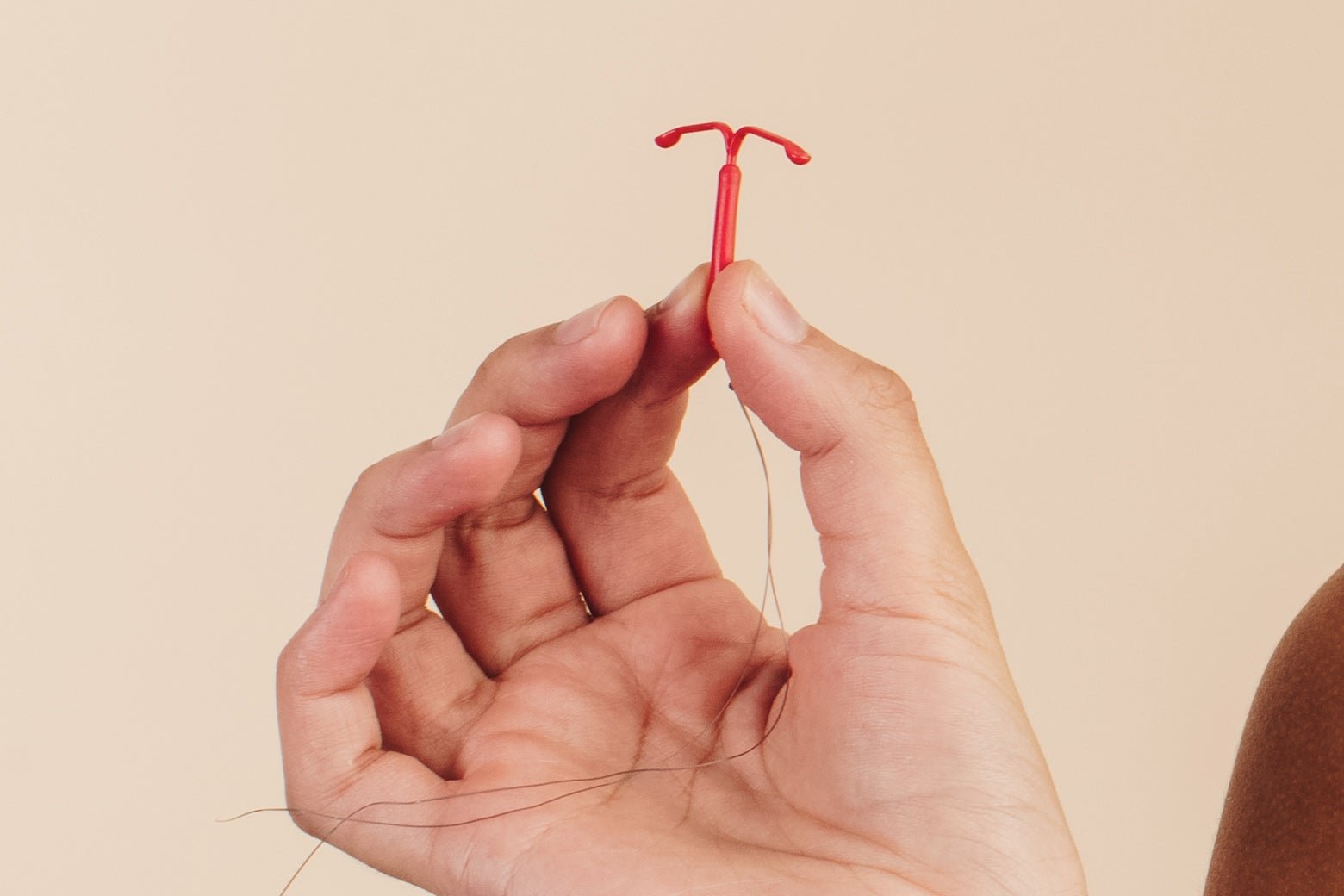
Copper T, a hormone-free intrauterine device (IUD), is one of the most reliable long-term contraceptive options available. Women considering Copper T in Abu Dhabi can access this method through various healthcare providers. While it does not involve hormones, its presence in the uterus can influence menstrual cycles in several ways. Understanding how Copper T affects periods, spotting, and cramping is important for women considering this method or who have recently had it inserted. This article explores in detail the menstrual changes that may occur, the underlying reasons for these changes, and ways to manage them.
How Copper T Works
Copper T is a T-shaped device made of plastic and wrapped in copper. It is inserted into the uterus by a trained healthcare provider. The copper ions released by the device create a toxic environment for sperm, preventing fertilization. Additionally, the device slightly changes the lining of the uterus, making it less receptive to implantation.
Unlike hormonal contraceptives, Copper T does not interfere with ovulation or hormone production. This is why the effects on menstrual cycles are due to local changes in the uterus rather than systemic hormonal alterations.
Common Menstrual Changes
After Copper T insertion, many women experience changes in their periods. These changes are generally mild but can be more pronounced in some cases:
Increased Menstrual Flow
- Many women notice heavier periods, particularly during the first few months.
- The increased flow is caused by the uterine lining responding to the foreign object, which slightly irritates the endometrium and can lead to heavier bleeding.
Longer Duration of Periods
- Some women experience longer menstrual cycles or periods that last an extra day or two.
- This effect is usually temporary, as the uterus adjusts to the Copper T over several cycles.
Cramping and Discomfort
- Mild to moderate cramping is common during the first few periods after insertion.
- Cramping occurs as the uterus contracts around the device and adjusts to its presence.
Spotting Between Periods
- Irregular spotting or light bleeding may occur in the days between cycles.
- This typically decreases over the first three to six months but may persist in some women.
Changes in Flow Pattern
- Some women may notice that flow is heavier at the beginning or end of their period, while others experience more uniform bleeding.
- Patterns tend to stabilize after a few cycles as the uterus adapts.
Why These Changes Occur
Menstrual changes with Copper T are primarily due to its local effect on the uterus, not hormonal influence:
- Endometrial irritation: The presence of copper can irritate the uterine lining, leading to increased bleeding and spotting.
- Uterine contractions: Cramping occurs as the uterus contracts to accommodate the device.
- Adjustment period: The first few cycles are often the most irregular because the uterus is adapting to a foreign object.
Duration of Menstrual Changes
- Initial adjustment: Most changes are most noticeable in the first three to six months after insertion.
- Long-term: Many women find that periods gradually return closer to their pre-insertion pattern, though heavier flow may persist in some cases.
- Permanent changes: Copper T does not cause permanent menstrual changes. Fertility and cycle regularity return to baseline after removal.
Managing Menstrual Change
While menstrual changes are usually temporary, some strategies can help manage discomfort:
- Over-the-counter pain relief: Nonsteroidal anti-inflammatory drugs (NSAIDs) can reduce cramping and bleeding.
- Tracking cycles: Keeping a record of bleeding patterns helps monitor changes and detect unusual symptoms.
- Rest and hydration: Adequate rest and fluid intake can improve overall comfort during heavier periods.
- Follow-up with a healthcare provider: If bleeding becomes excessive or cramping is severe, medical evaluation is recommended.
In rare cases, if menstrual changes are persistent and disruptive, removal of Copper T may be considered.
When to Seek Medical Advice
Some menstrual changes are normal, but certain signs require prompt attention:
- Excessive bleeding: Soaking through a pad or tampon in an hour or passing large clots.
- Severe pain: Cramping that is unusually intense or does not improve with medication.
- Unusual discharge or odor: Could indicate infection.
- Irregular spotting after six months: Persistent spotting beyond the adjustment period may need evaluation.
Recognizing these warning signs ensures that any complications are addressed quickly.
Frequently Asked Questions
Will my periods stop using Copper T?
No. Copper T does not stop menstruation, as it is hormone-free. Periods continue, though they may change in flow and duration.
Can Copper T cause anemia due to heavier periods?
Heavy bleeding over several months can increase the risk of iron deficiency in some women. Monitoring symptoms like fatigue or pallor is important.
Do all women experience menstrual changes?
No. Some women notice minimal or no change, while others experience heavier or longer periods, especially during the first few months.
When will my cycles stabilize?
For most women, cycles stabilize within three to six months as the uterus adapts to the device.
Can Copper T affect fertility later?
No. Once removed, fertility typically returns immediately to normal, and menstrual cycles resume their natural pattern.
Conclusion
Copper T can influence menstrual cycles primarily through local effects on the uterus rather than hormonal changes. Common changes include heavier or longer periods, mild cramping, and spotting between cycles. These changes are usually temporary and most noticeable during the first three to six months after insertion.
Women can manage discomfort through over-the-counter pain relief, tracking bleeding patterns, and maintaining communication with their healthcare provider. Copper T remains a highly effective, hormone-free contraceptive option that allows fertility and natural menstrual cycles to return to normal once removed.
Understanding what to expect helps women adjust to Copper T and ensures that they can safely monitor and manage any menstrual changes over time.