
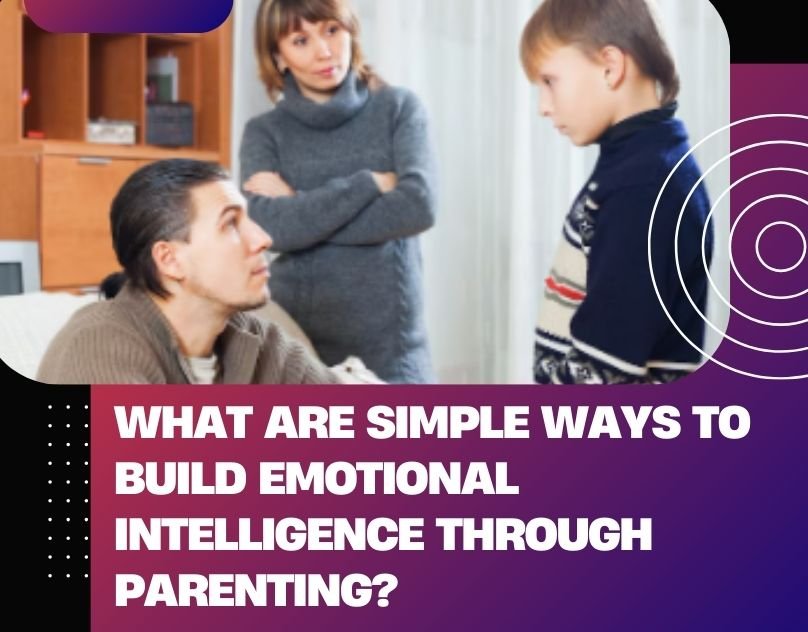
Parenting is full of small moments that feel ordinary but carry lasting impact. The morning rush before school, a disagreement between siblings, or tears over unfinished homework can leave parents wondering, “Am I handling this right?” Emotional Intelligence, often called EQ, is the ability to understand, express, and manage emotions in a healthy way. It is one of the most valuable gifts parents can give their children. Parenting emotional intelligence is not about perfect reactions or calm homes all the time. Instead, it is about using everyday situations as chances to teach children how to understand their feelings, relate to others, and grow into balanced adults.
What Is Emotional Intelligence in the Family Context?
Emotional intelligence in a child’s world is simple and practical. It starts with self-awareness, the ability to recognise emotions like anger, jealousy, excitement, or disappointment. When a child can say, “I feel upset,” they are already taking the first step toward emotional maturity.
Next comes self-regulation, which means managing big emotions in a safe way. This does not mean suppressing feelings, but learning how to calm down before reacting. Empathy is another key part, helping children understand that others have feelings too, whether it is a sibling, friend, or elder at home. Finally, social skills help children communicate, resolve conflicts, and build respectful relationships.
Parenting emotional intelligence is the ongoing process of guiding children through these skills with patience, consistency, and understanding, right inside the home.
Simple, Everyday Strategies to Foster EQ
Be an Emotion Coach, Not a Judge
Children often struggle because they do not have words for what they feel. When a child throws a tantrum or withdraws silently, try naming the emotion for them. You might say, “It looks like you are feeling frustrated because your plan did not work.” Research suggests that naming feelings helps children feel understood and reduces emotional intensity. Parents can also model this by sharing their own emotions calmly, such as, “I feel tired today, so I need a short break.” This normalises emotions and teaches self-awareness.
Listen with Your Full Attention
Many parents listen while multitasking, but emotional intelligence grows when children feel truly heard. Active listening means making eye contact, putting aside the phone, and letting the child finish without interruption. Avoid jumping to advice or lectures immediately. Sometimes children only need validation, not solutions. For instance, saying, “That sounds really disappointing,” builds trust and emotional safety. Therefore, children learn that their emotions matter and can be shared openly.
Practice the Power of Pause
Big emotions often lead to impulsive reactions. Teaching children to pause before reacting can be life-changing. A simple technique is deep breathing, counting slowly, or sitting quietly in a calm corner of the house. This is not a punishment space but a safe place to regain control. Over time, children learn that calming down is a skill they can use anywhere. Managing feelings this way supports emotional regulation and reduces conflicts at home.
Use Stories and Daily Conversations
Storytime, television shows, or even family discussions can become tools for building empathy for kids. While reading a book or watching a show, ask questions like, “How do you think this character felt?” or “What could they have done differently?” This helps children understand perspectives beyond their own. Furthermore, it strengthens emotional vocabulary and social skills without feeling like a lesson.
Solve Problems Together
When children face social conflicts, resist the urge to fix everything for them. Instead, guide them through problem-solving. Start by understanding what happened, then explore possible solutions together. Ask, “What do you think could help next time?” This approach builds confidence, responsibility, and emotional awareness. Children learn that mistakes are opportunities to learn, not something to fear.
The Parent’s Journey: Growing Your Own EQ
Parenting emotional intelligence begins with parents themselves. Children often mirror adult behaviour, especially during stressful moments. Working on self-awareness, managing reactions, and showing empathy towards oneself makes a big difference. Many parents choose to learn emotional intelligence online through trusted courses, podcasts, or articles that focus on emotional growth and mindful parenting. This personal effort not only benefits parents but also creates a calmer, more emotionally secure home environment.
Conclusion
Building emotional intelligence is not about getting everything right every day. It is a gradual, loving process built on connection, patience, and understanding. Small, consistent efforts in daily life can shape a child’s emotional strength for years to come. When parents focus on guidance rather than perfection, emotional growth naturally follows.