
In the 21st century, conversations around gender roles, reproductive choices, and family planning are reshaping what it means to be a man. Among these changes, vasectomy has emerged as a procedure that challenges old notions of masculinity while offering men autonomy in reproductive health. For decades, the decision to undergo a vasectomy was surrounded by stigma, often associated with weakness, loss of virility, or diminished manhood. However, modern perspectives are shifting. Increasingly, vasectomy is being seen as an act of responsibility, empowerment, and even strength.
This article explores the deep connection between vasectomy and male identity. It examines how cultural perceptions, psychological experiences, and societal expectations interact when men choose this procedure. Ultimately, vasectomy is redefining masculinity in ways that emphasize care, responsibility, and equality in family planning.
Understanding Vasectomy
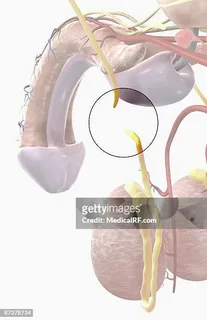
A vasectomy is a surgical procedure in which the vas deferens—tubes that carry sperm from the testicles—are cut or sealed to prevent sperm from mixing with semen. The procedure is highly effective, permanent, and relatively simple compared to female sterilization methods.
Despite its safety and efficiency, vasectomy carries social weight. In many cultures, fertility has long been intertwined with masculinity. To choose sterilization voluntarily disrupts traditional narratives, forcing men and their communities to reconsider what defines manhood.
Masculinity and Fertility: A Historical Context
Throughout history, male identity has been tied to virility, strength, and reproductive power. In agrarian societies, having many children was not only desirable but essential for survival and labor. Fertility became a marker of masculinity, and men who could not father children were often ridiculed or marginalized.
The advent of vasectomy disrupts this historical connection. By deliberately choosing not to father children, men are rejecting the idea that masculinity is solely tied to reproductive capacity. Instead, they are embracing new roles—partners, caregivers, professionals, or individuals prioritizing personal and family well-being.
Vasectomy as a Symbol of Responsibility
One of the most powerful ways vasectomy reshapes masculinity is by reframing responsibility. For generations, contraception was seen as the woman’s burden—pills, intrauterine devices, injections, and even sterilization disproportionately fell to women. Men were often relegated to condom use or withdrawal, both of which were less reliable.
When a man chooses vasectomy, he symbolically takes on responsibility for contraception. This shift challenges outdated gender roles, positioning men as equal partners in family planning. Far from undermining masculinity, this act reflects maturity, accountability, and foresight—traits increasingly valued in modern definitions of manhood.
Psychological Dimensions of Vasectomy and Male Identity
Initial Anxieties
Many men experience anxiety before undergoing a vasectomy. Concerns about loss of sexual performance, decreased testosterone, or becoming “less of a man” are common. These fears often stem from misinformation rather than medical fact.
Post-Vasectomy Reality
After the procedure, most men discover that their sexual performance remains unchanged—or even improves. With the burden of unintended pregnancy lifted, many couples report greater intimacy and less stress in their sex lives. This reinforces a sense of confidence, directly challenging fears that vasectomy diminishes masculinity.
Identity Redefined
For many men, vasectomy becomes an empowering experience. It allows them to define masculinity on their own terms—not as an outdated notion tied to fertility, but as a balanced identity grounded in partnership, choice, and control over one’s body.
Cultural Perspectives on Vasectomy and Masculinity
Western Societies
In Western contexts, vasectomy rates are relatively higher, particularly in North America and parts of Europe. Here, vasectomy is increasingly framed as a pragmatic and responsible decision. However, cultural narratives around “manhood” still create hesitation. Men often delay the procedure until they feel secure in their roles as fathers or partners.
Asian and African Societies
In many Asian and African cultures, masculinity continues to be closely linked with fertility. Men may fear ridicule or rejection if they undergo vasectomy, viewing it as a sign of weakness or submission. These cultural pressures highlight the need for broader education and reframing of male identity.
Latin American Contexts
In Latin America, vasectomy has historically been underutilized, with machismo attitudes discouraging men from taking responsibility for family planning. However, shifting gender dynamics and public health campaigns are slowly changing perceptions. Men are beginning to see vasectomy as an act of love and responsibility toward their families.
Vasectomy and Intimacy: Strengthening Relationships
Couples often report improved intimacy after vasectomy. The absence of pregnancy concerns allows partners to focus more on connection, pleasure, and trust. For many men, this reinforces their sense of masculinity—not as mere physical potency, but as the ability to contribute to a strong and balanced relationship.
This shift illustrates an important redefinition: masculinity is not diminished by preventing reproduction but enhanced by supporting emotional and relational well-being.
Breaking Myths: Vasectomy Does Not Equal Castration
One of the most persistent myths about vasectomy is that it equates to castration or loss of manhood. Medically, this is untrue. Vasectomy does not affect testosterone production, erections, or libido. The only change is the absence of sperm in semen.
By addressing these myths openly, men can reshape their self-perception and society’s understanding. Dispelling misinformation is essential to allow vasectomy to be seen not as emasculating but as empowering.
Media, Masculinity, and Vasectomy
Media representation plays a key role in shaping perceptions. Historically, movies and television shows often portrayed vasectomy as a joke—something men feared or avoided. In recent years, however, narratives are evolving. Public figures and celebrities discussing their own vasectomy experiences have helped normalize the procedure.
Positive media representation reinforces the idea that masculinity is multifaceted and not defined solely by the ability to father children.
Vasectomy and Equality in Family Planning
In many societies, the burden of reproductive health falls on women. By choosing vasectomy, men are helping correct this imbalance. This act reflects a broader cultural movement toward equality, where masculinity is redefined through partnership and shared responsibility.
This redefinition aligns with modern feminist discourses, suggesting that true masculinity involves not dominance but equality and mutual respect.
Challenges in Redefining Masculinity Through Vasectomy
While progress is evident, challenges remain:
- Stigma and Stereotypes – Many men still fear being seen as weak or unmanly.
- Lack of Awareness – Misconceptions about the procedure remain widespread.
- Cultural Resistance – In traditional societies, vasectomy continues to clash with deep-rooted ideas of masculinity.
- Fear of Regret – Men may worry that choosing vasectomy prematurely limits their identity as potential fathers.
Addressing these challenges requires education, supportive counseling, and role models who can redefine masculinity by example.
The Future of Vasectomy and Male Identity
As reproductive technologies evolve, vasectomy remains one of the most effective and accessible options for men. Its role in reshaping masculinity is likely to grow as societies continue moving toward gender equality and rethinking outdated notions of manhood.
Future campaigns may increasingly present vasectomy not as a loss but as a gain—of freedom, intimacy, equality, and responsible masculinity.
Conclusion
Vasectomy challenges traditional notions of masculinity by separating manhood from reproductive capacity. Rather than diminishing male identity, it provides an opportunity for men to embrace responsibility, equality, and emotional strength. In modern society, masculinity is no longer defined by the ability to father children but by the capacity to make thoughtful choices, nurture partnerships, and support shared futures.
In this sense, vasectomy is not just a medical procedure—it is a cultural and personal statement redefining what it means to be a man.
FAQs
1. Does a vasectomy affect masculinity or sexual performance?
No. Vasectomy does not affect testosterone, erections, or libido. Many men even report improved intimacy because the fear of unintended pregnancy is removed. Masculinity remains intact and is often strengthened through the sense of responsibility and empowerment.
2. Why is vasectomy sometimes viewed as a threat to male identity?
Historically, masculinity was tied to fertility and virility. The idea of voluntarily ending reproductive ability clashes with these older views. However, modern perspectives emphasize responsibility, equality, and emotional maturity, reframing vasectomy as a positive and masculine choice.
3. How can society help men feel more comfortable with vasectomy?
Education, supportive counseling, and positive role models are key. Media portrayals and public discussions that normalize vasectomy also help dismantle myths and reduce stigma, allowing men to embrace the procedure without fear of judgment.