
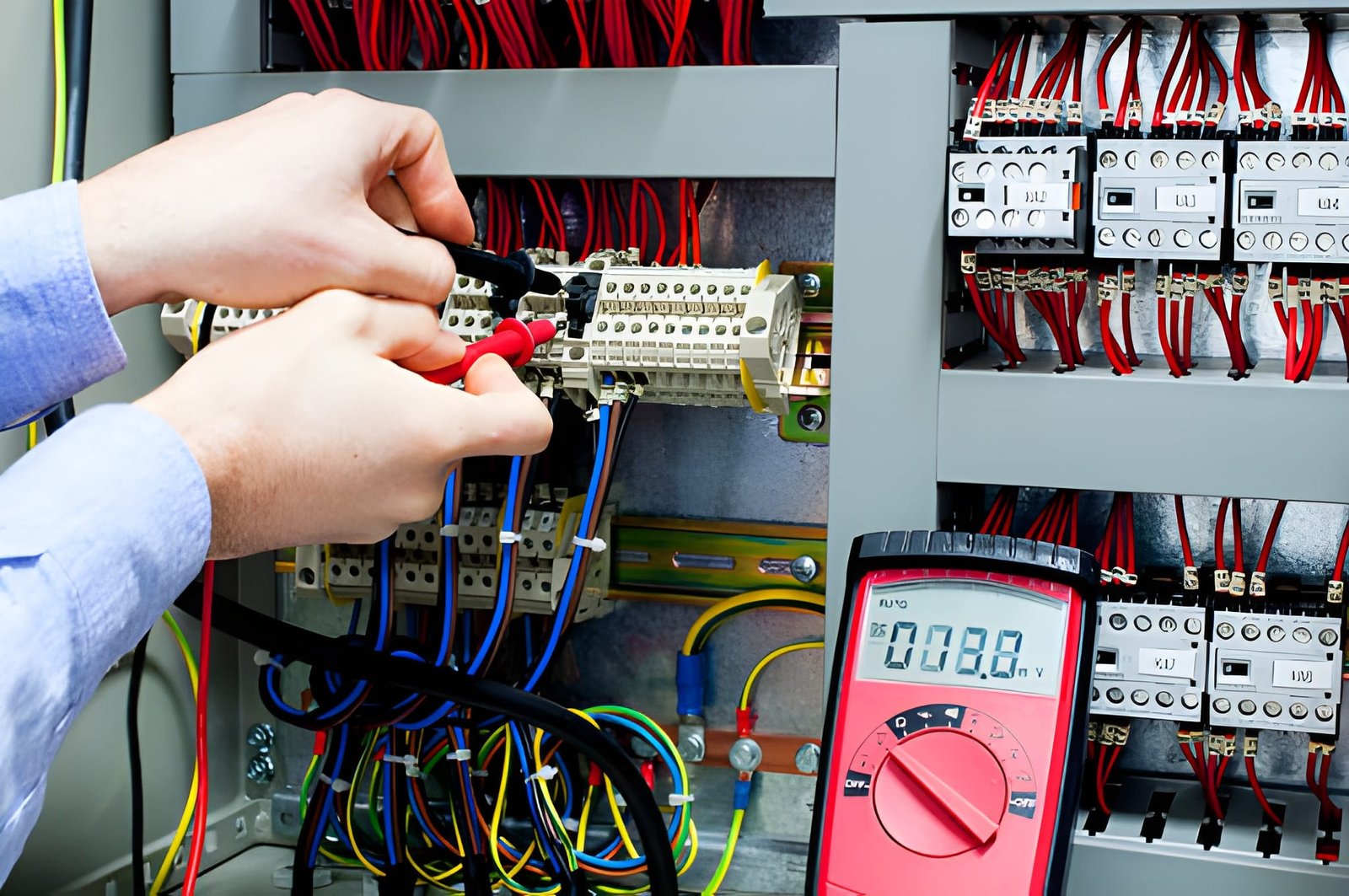
Millwall has transformed dramatically over the last few decades. Former docklands now host high-rise apartments, riverside developments, and mixed-use buildings that blend residential living with commercial-grade infrastructure. On the surface, many properties appear modern and low-risk. In reality, electrical safety in Millwall is shaped by shared systems, phased construction, and evolving electrical demand. This is where EICR in Millwall becomes far more than a compliance exercise—it is a technical assessment of how safely a property operates today, not how new it looks.
Why Millwall Properties Need a Different Electrical Lens
Millwall’s housing stock is younger than much of London, but that does not automatically mean safer. The challenges here are different rather than fewer.
Phased Development and Inconsistent Standards
Many apartment blocks were built or refurbished in stages. Electrical standards may vary between phases, meaning flats in the same building can have very different protection levels, earthing arrangements, and circuit capacities.
Shared Infrastructure at Scale
High-rise and mid-rise blocks often share risers, intake rooms, and earthing systems. A defect in a shared element may not be visible within a single flat but can still influence inspection results.
High Electrical Demand in Compact Spaces
Open-plan living, underfloor heating, induction hobs, electric showers, home offices, and multiple media systems place sustained loads on circuits that were designed based on earlier usage assumptions.
Because of these factors, EICR in Millwall frequently identifies issues that are not obvious during everyday use.
What a Professional EICR Really Assesses
A proper EICR is about performance under fault conditions. When London Property Inspections carries out inspections in Millwall, the emphasis is on whether safety systems react quickly and effectively when something goes wrong.
Key technical areas include:
Earth Fault Loop Impedance Testing
Long cable runs from intake rooms to upper floors can increase impedance, slowing disconnection times. Results that look acceptable on paper may fail in practice.
RCD and RCBO Functionality
Residual current protection is tested for sensitivity and speed. Delayed operation is treated as a serious risk, particularly in kitchens and bathrooms.
Thermal Stress Indicators
Consumer units installed in tight cupboards or behind decorative panels are checked for signs of overheating, which is increasingly common in modern flats with poor ventilation.
Bonding and Earthing Continuity
Even in newer buildings, bonding failures occur after refurbishments or plumbing changes. Visual neatness does not guarantee electrical continuity.
This level of testing explains why EICR in Millwall often produces findings that surprise owners of relatively new properties.
Common Electrical Issues Found in Millwall Flats
Despite their modern appearance, certain defects appear repeatedly across Millwall developments.
Kitchen Circuit Overload
High-end kitchens frequently run multiple high-load appliances from ring circuits not originally designed for simultaneous operation.
Balcony and External Supplies
Outdoor sockets and lighting often lack adequate RCD protection or weather-appropriate isolation, particularly where additions were made post-construction.
Mixed Consumer Unit Standards
Some flats have upgraded boards, while others still rely on earlier-generation protection devices, creating uneven safety levels within the same building.
Restricted Access to Isolation Points
In some layouts, isolation for specific circuits is difficult to reach, triggering further investigation classifications during inspections.
These patterns highlight why EICR in Millwall requires experience with modern developments rather than assumptions based on property age.
Understanding EICR Codes Without Overreaction
One of the biggest mistakes owners make is misinterpreting EICR classifications.
C1 – Danger Present
An immediate risk that requires urgent action, such as exposed live parts or severe overheating.
C2 – Potentially Dangerous
The most common classification in Millwall. Missing RCD protection, inadequate bonding, or slow disconnection times fall into this category and must be corrected.
C3 – Improvement Recommended
Not a legal failure, but a warning that safety margins are reducing. These often become C2 issues as electrical demand increases.
FI – Further Investigation Required
Used where results are inconclusive or access is restricted, often linked to shared systems or concealed wiring.
Understanding these distinctions helps owners plan logically rather than react emotionally.
Preparing Properly Before Booking an EICR
Landlords and homeowners who achieve smoother outcomes tend to prepare in practical ways.
Review Recent Alterations
Any kitchen, bathroom, or heating upgrade should be checked for certification and compatibility with existing circuits.
Check Bonding Early
Ensuring correct bonding to gas and water services is a simple step that prevents common failures.
Resolve Known Electrical Symptoms
Tripping breakers, buzzing consumer units, or warm sockets almost always appear in reports if ignored.
Ensure Clear Access
Consumer units, meter cupboards, and distribution boards must be accessible. Restricted access increases inspection time and the likelihood of FI codes.
Preparation is especially valuable for EICR in Millwall, where access limitations are common in compact apartment layouts.
Timing Your Inspection to Reduce Disruption
For rental properties, inspections are legally required every five years or at tenancy change. Owner-occupied flats benefit from a similar cycle due to continuous electrical load.
Strategic timing includes:
- Inspecting before tenancy renewals
- Coordinating with planned refurbishments
- Avoiding peak compliance periods
London Property Inspections often advises managing agents to schedule inspections well ahead of deadlines to avoid rushed repairs and availability issues.
The Hidden Risk of a “Just Pass” Outcome
A pass does not always mean peace of mind.
Properties that barely meet minimum requirements often face:
- Escalating costs as minor issues compound
- Insurance complications following electrical incidents
- Disruption when recommended improvements become mandatory failures
Experienced owners use reports as roadmaps, addressing borderline items before they escalate.
A Realistic Millwall Scenario
A riverside apartment passed an inspection with several C3 recommendations relating to circuit loading and bonding. Two years later, additional appliances and home-working equipment increased demand. A follow-up inspection reclassified those recommendations as C2 failures, requiring urgent remedial work.
Early intervention would have reduced both cost and disruption—illustrating the practical value of EICR in Millwall when interpreted proactively.
Why Local Expertise Matters
Millwall’s electrical risks are shaped by shared infrastructure, high-density living, and modern consumption patterns. London Property Inspections applies area-specific experience to every EICR in Millwall, understanding how these buildings are designed, adapted, and stressed in real-world use.
When handled correctly, an EICR becomes more than a certificate—it becomes a strategic tool for safety, compliance, and long-term asset protection.
FAQs
1. Is an EICR mandatory for Millwall flats?
Yes, for rental properties every five years or at a change of tenancy. Owner-occupied flats are strongly advised to have regular inspections.
2. How long does an EICR take in an apartment?
Most inspections take between 2 and 4 hours, depending on access and system complexity.
3. Will electricity be turned off during testing?
Yes, briefly. Occupants should be notified in advance.
4. Do modern apartments ever fail EICRs?
Yes. High electrical demand and partial upgrades often expose issues even in newer buildings.
5. Can communal electrical issues affect my report?
Yes. Shared earthing or supply concerns can lead to further investigation classifications.
