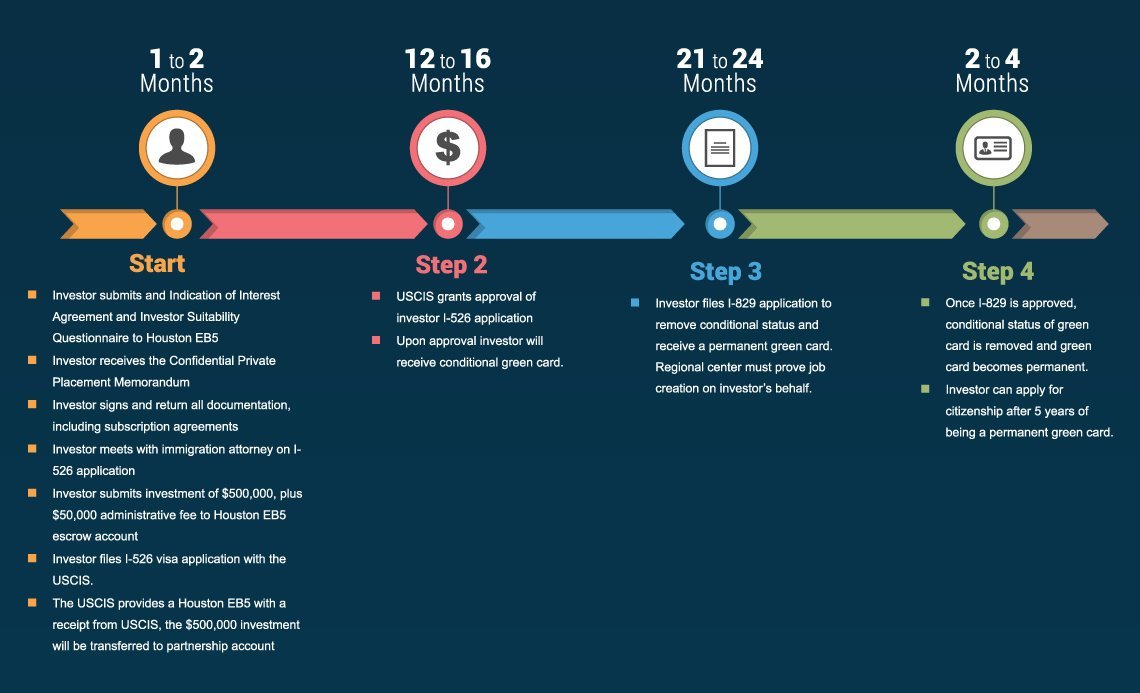
The U.S. EB-5 Immigrant Investor Program is a popular pathway for foreign nationals seeking a Green Card. It offers permanent residency in exchange for a significant capital investment that creates jobs for American workers. While the standard investment amount is substantial, a strategic option exists that makes the program more accessible: investing in a Targeted Employment Area (TEA).
An EB5 TEA investment provides significant advantages, including a lower investment threshold and faster processing times. These designated areas are central to the EB-5 program’s goal of directing capital into communities that need it most. This guide explores what a TEA is, the benefits of investing in one, and how to navigate the qualification process for a smoother and more affordable path to a U.S. Green Card.
What is an EB-5 Targeted Employment Area (TEA)?
A Targeted Employment Area (TEA) is a geographic or administrative area that USCIS has designated as having a particular need for economic stimulus. The primary purpose of the TEA designation is to encourage investment in communities facing economic challenges. By offering incentives to investors who choose projects in these locations, the EB-5 program helps drive job creation and development where it is most needed.
There are two primary types of TEAs:
- High-Unemployment TEAs: These are areas experiencing an unemployment rate that is at least 150% of the national average. The designation is based on reliable labor market data.
- Rural TEAs: These are areas located outside of a metropolitan statistical area (MSA) and outside the boundary of any city or town with a population of 20,000 or more.
The introduction of TEAs has fundamentally shaped the landscape of EB-5 investments, making it a critical consideration for nearly every prospective investor.
Benefits of an EB5 TEA Investment
Choosing a project within a Targeted Employment Area offers several powerful advantages that can significantly impact an investor’s journey. These benefits make TEA projects the most popular choice for individuals pursuing a Green Card through the EB-5 program.
2.1. Reduced Investment Amount
The most significant benefit of an EB5 TEA investment is the substantially lower capital requirement. For a standard, non-TEA project, the minimum investment is $1,050,000. However, if you invest in a project located in a designated TEA, that amount is reduced to $800,000. This nearly 24% reduction makes the program financially accessible to a broader pool of potential investors without changing any other program requirements.
2.2. Priority Processing
The EB-5 Reform and Integrity Act of 2022 introduced “priority processing” for certain categories of I-526E petitions. Petitions for rural TEA projects are placed at the front of the line for adjudication by USCIS. This can shorten the waiting time for petition approval by many months, accelerating the entire immigration timeline and allowing investors to achieve their residency goals faster.
2.3. Reserved Visa Categories
Each year, the U.S. government allocates a specific number of EB-5 visas. Historically, high demand from certain countries led to long backlogs, known as visa retrogression. The Reform and Integrity Act addressed this by creating set-aside visa categories, reserving a portion of the annual visa pool specifically for TEA projects:
- 20% for Rural TEAs
- 10% for High-Unemployment TEAs
- 2% for Infrastructure Projects
For investors from countries like China and India, these reserved visas provide a separate, uncongested lane, allowing them to bypass the long waits associated with the unreserved visa category.
2.4. Economic Development
Beyond the personal benefits, investing in a TEA contributes directly to the economic revitalization of underserved communities. Your investment helps create jobs, stimulate local economies, and support development in areas that have been overlooked. This alignment with a clear public policy goal adds a layer of purpose to the investment.
How to Qualify for EB5 TEA Investment
To take advantage of the reduced investment amount and other benefits, the chosen EB-5 project must be located in an area that officially qualifies as a TEA. The designation process is specific and requires verifiable evidence.
3.1. High-Unemployment TEAs
For a project to qualify as a high-unemployment TEA, its location must have an unemployment rate of at least 150% of the national average at the time of investment or I-526E filing. This determination relies on official data from sources like the U.S. Bureau of Labor Statistics (BLS) and the American Community Survey (ACS). A project sponsor may combine a series of contiguous census tracts to create a qualifying area, as long as the weighted average unemployment rate meets the threshold.
3.2. Rural TEAs
The criteria for a rural TEA are based on geography and population density. A project qualifies if it is located in an area that is:
- Outside the boundaries of a metropolitan statistical area (MSA) as defined by the Office of Management and Budget.
- Outside any city or town with a population of 20,000 or more, according to the most recent decennial census.
Rural TEA designations are often more straightforward to determine than high-unemployment areas because they are based on fixed geographic boundaries rather than fluctuating economic data.
3.3. Documentation Requirements
When filing the I-526E petition, the investor must include sufficient third-party evidence to prove the project’s TEA status. This includes official letters from state agencies, detailed census tract data, and maps demonstrating the project’s location within the designated area.
Equally important is the documentation of the investor’s personal financial history. USCIS requires a clear “paper trail” for every dollar invested, often demanding at least five to seven years of tax returns to prove the lawful source of funds. For international investors with diversified portfolios, navigating these requirements can be complex. For example, if you hold assets in Europe, understanding why a tax consultant is your best investment for the 2026 Swiss tax season can ensure your filings are audit-ready and compliant with both local laws and U.S. immigration standards. This level of professional preparation is often the difference between a swift approval and a lengthy Request for Evidence (RFE).
Common Challenges in EB5 TEA Investment
While TEA investments offer clear benefits, there are potential challenges to be aware of:
- Misinterpretation of TEA Criteria: The rules for defining a TEA, particularly for high-unemployment areas that combine multiple census tracts, can be complex. An incorrect calculation can lead to a denial.
- Delays in Obtaining Designation: While USCIS makes the final determination, getting the necessary data and letters from state agencies can sometimes be a slow process.
- Risks of Inaccurate Documentation: Any flaws or inconsistencies in the TEA documentation submitted with the I-526E petition can trigger a Request for Evidence (RFE), delaying the application. It is crucial that the evidence is clear, credible, and up-to-date.
How to Maximize the Benefits of an EB5 TEA Investment
To ensure a successful investment and a smooth immigration process, investors should take a strategic approach.
- Choose the Right Project: Conduct thorough due diligence not only on the financial aspects of the project but also on the strength and clarity of its TEA designation. Rural projects often provide the most certainty and the fastest processing times.
- Work with Experienced Professionals: Partner with an immigration attorney and a regional center that have a proven track record of success with TEA-based projects. Their expertise is invaluable in navigating the complexities of the process.
- Utilize TEA Mapping Tools: Several organizations, like IIUSA, offer online TEA mapping tools. These resources can help you and your advisors verify if a specific address falls within a potentially qualifying high-unemployment or rural area.
FAQs About EB5 TEA Investment
What is an EB-5 targeted employment area (TEA)?
A TEA is a geographic area designated by USCIS as either rural or having high unemployment. Investing in a project within a TEA allows EB-5 investors to qualify with a lower investment amount of $800,000.
How is a TEA determined?
A high-unemployment TEA is determined by an unemployment rate of at least 150% of the national average. A rural TEA is determined by its location outside a metropolitan statistical area and a town with a population of 20,000 or more.
What are the benefits of investing in a TEA?
The main benefits are a reduced investment amount ($800,000 vs. $1,050,000), access to reserved visa numbers that can help avoid backlogs, and priority processing for rural projects.
Can a project in a metropolitan area qualify as a TEA?
Yes, a project in a metropolitan area can qualify as a high-unemployment TEA if it is located in a census tract or group of tracts with a sufficiently high unemployment rate. It cannot, however, qualify as a rural TEA.
How can I verify if a project qualifies for TEA status?
You should review the project’s official TEA documentation, which includes data and letters from government agencies. Additionally, you can consult with your immigration attorney and use online TEA mapping tools for a preliminary assessment.
Conclusion
Making an EB5 TEA investment is the most strategic way to approach the Immigrant Investor Program. The reduced capital requirement, access to reserved visas, and expedited processing for rural projects create a faster and more affordable path to a U.S. Green Card. By understanding the qualification criteria and working with experienced professionals, you can confidently select a project that meets your immigration goals while contributing to economic growth in an American community.