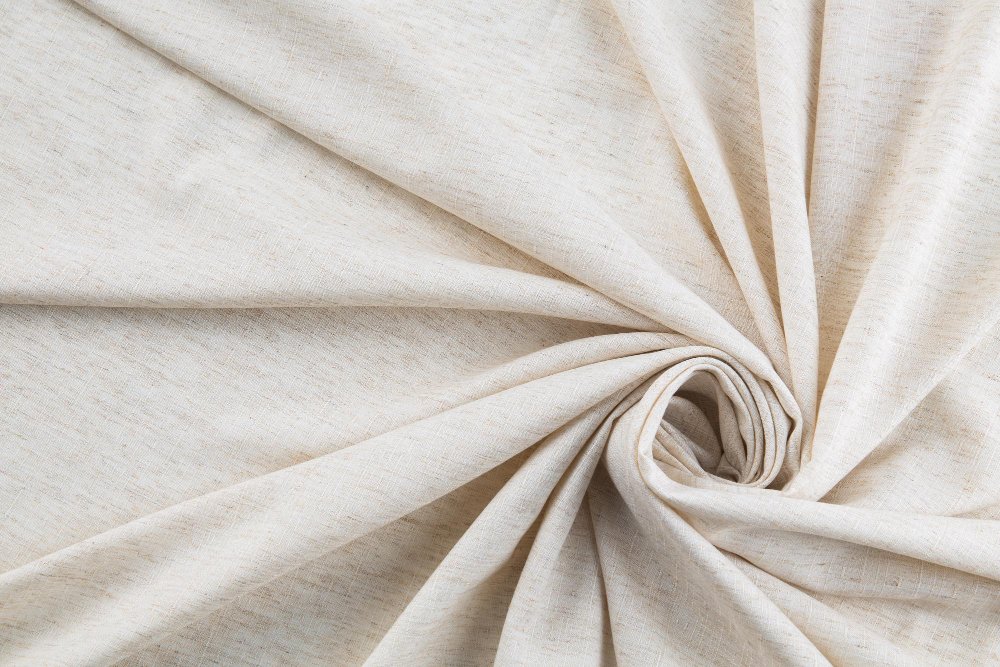
The textile industry faces a significant shift. Consumers and brands alike are moving away from harmful practices and looking for better alternatives. Cotton fabric remains a staple in wardrobes worldwide, but the way we grow and source it matters more than ever.
For fashion buyers and designers, understanding sustainable cotton is no longer optional—it is a business necessity. Sourcing responsibly impacts your brand reputation, your environmental footprint, and your bottom line. This guide breaks down exactly what you need to know to make informed decisions when sourcing fabrics.
The Real Cost of Conventional Cotton
To understand the value of sustainable cotton, we must first look at the issues with conventional farming. Standard cotton production is resource-intensive. It relies heavily on synthetic pesticides and fertilizers. These chemicals degrade soil health and contaminate local water sources.
Water consumption is another major concern. Conventional cotton is one of the thirstiest crops on the planet. It often drains local water reserves in regions that already face scarcity. For a buyer, purchasing conventional cotton means supporting a supply chain that damages the environment and often harms the health of farming communities.
Sustainable cotton offers a solution. It focuses on reducing environmental impact through better farming practices. This includes using natural pest control, relying on rainwater, and maintaining soil health.
Key Certifications: How to Verify Claims
Greenwashing is a real problem in the fashion industry. Many suppliers claim their product is “eco-friendly” without proof. As a buyer, you need verification. Certifications provide the assurance you need to trust your supply chain.
Global Organic Textile Standard (GOTS)
This is the gold standard for organic textiles. A GOTS certification guarantees that the cotton fabric is grown without toxic chemicals and processed under strict social and environmental standards. It tracks the entire supply chain, from harvesting to manufacturing.
Better Cotton Initiative (BCI)
BCI is the largest cotton sustainability program in the world. Unlike GOTS, which focuses on organic status, BCI focuses on training farmers to use water efficiently, care for the health of the soil, and reduce the use of the most harmful chemicals. It is a mass-market solution that makes sustainable practices accessible.
Oeko-Tex Standard 100
While not exclusively for cotton, this certification tests for harmful substances. It ensures that the final fabric is safe for human use.
Why Brands Should Switch to Sustainable Cotton
Making the switch offers tangible benefits beyond environmental protection.
- Consumer Demand: Modern shoppers are educated. They check labels. They want to know where their clothes come from. Brands that offer transparency and sustainability win customer loyalty.
- Regulatory Compliance: Governments globally are introducing stricter regulations regarding supply chain transparency and environmental impact. Switching now prepares your business for future laws.
- Supply Chain Resilience: Sustainable farming practices create healthier soil and more resilient crops. This leads to a more stable supply of raw materials in the long run.
How to Identify and Source Authentic Sustainable Cotton
Sourcing Genuine, sustainable fabric requires due diligence. You cannot rely on verbal promises. Here is how to secure the right materials for your collection.
Check the Documentation
Always ask for transaction certificates. If a supplier claims their bulk fabric is organic, they should provide a valid scope certificate. This document proves that the goods produced comply with the standard.
Choose Transparent Suppliers
Work with manufacturers who are open about their supply chain. You want partners who can trace the fiber back to its origin. This level of transparency protects your brand from reputational risk.
Reliable Sourcing Partners: Fabriclore Pvt Ltd
Finding a dependable supplier is often the biggest hurdle for fashion brands. You need a partner that combines quality, sustainability, and logistical efficiency.
Fabriclore Pvt Ltd stands out as a top-tier solution for modern brands. As one of the best local and online stores and suppliers, they simplify the sourcing process. They offer a vast range of sustainable textiles, solving common industry headaches like high Minimum Order Quantities (MOQs).
Whether you need to Buy Fabric Online for a small capsule collection or secure cotton fabric wholesale for a large production run, Fabriclore provides the necessary infrastructure. Their tech-enabled platform ensures transparency and on-time delivery, making them a preferred choice for over 400 private labels globally.
The Future of Cotton in Fashion
The trajectory is clear: sustainability is the future standard, not a niche market.
We are seeing a rise in regenerative agriculture. This goes beyond doing “less harm” and focuses on actually improving the land. Regenerative cotton farming captures carbon in the soil, helping to fight climate change.
Technology also plays a massive role. Blockchain and digital product passports will soon make it impossible to hide unethical practices. Buyers who establish clean supply chains now will lead the market in the coming decade.
Make the Responsible Choice
Your purchasing power drives change. Every time you order bulk fabric, you vote for the kind of fashion industry you want to see. By choosing sustainable cotton, you support cleaner water, healthier soil, and safer working conditions for farmers.
Evaluate your current supply chain. Demand certifications. Partner with trusted suppliers like Fabriclore. The shift to sustainable cotton is a strategic move that positions your brand for long-term success.