
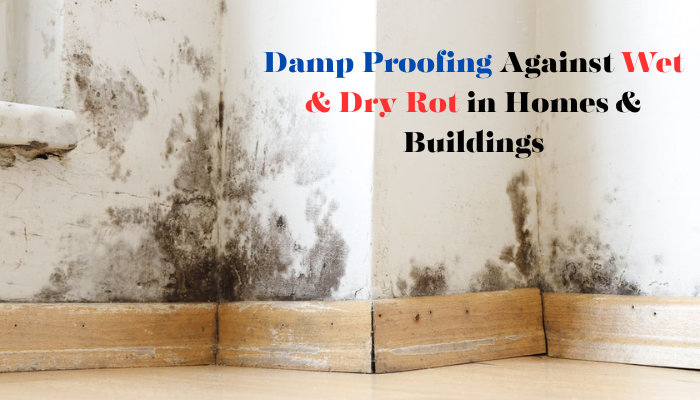
Wood is one of the strongest and most reliable materials in any property until moisture gets involved. When excess moisture seeps into walls, floors, or structural timber, it creates the perfect conditions for wet rot and dry rot to take hold. These issues often stay hidden for months, quietly weakening a building from the inside. By the time visible signs appear, repairs can already be expensive and disruptive. Understanding how moisture control works and how it directly impacts rot prevention can make the difference between a healthy structure and long-term damage.
Understanding Wet & Dry Rot: Why Moisture Is the Root Cause
Wet rot and dry rot are both forms of fungal decay, but they behave differently. Wet rot thrives in consistently damp timber, while dry rot can spread aggressively through masonry once it finds a moisture source. Despite their differences, both problems begin the same way: uncontrolled moisture.
When water penetrates a building through leaks, condensation, or rising damp, timber absorbs that moisture and loses its strength. Over time, fungi digest the wood’s fibers, leaving it brittle, cracked, or sponge-like. This is why moisture management is always the first step in preventing structural decay and why damp proofing plays such a critical role in long-term protection.
Early Warning Signs You Should Never Ignore
Rot rarely announces itself loudly at the start. More often, it leaves subtle clues that are easy to dismiss until damage escalates. Knowing what to look for allows property owners and facility managers to act early.
Some common indicators include:
- A musty or earthy smell that lingers indoors
- Timber that feels soft, crumbly, or unusually dark
- Peeling paint or warped skirting boards
- Cracks forming along wooden beams or floorboards
These symptoms often signal moisture problems behind the scenes. Addressing them early with the right damp proofing approach can stop fungal growth before it spreads deeper into the structure.
How Moisture Travels Through Homes and Buildings
Moisture doesn’t need a dramatic flood to cause serious harm. It often enters quietly and repeatedly through small weaknesses in the building envelope. Roof defects, leaking gutters, cracked masonry, and poor ventilation all allow water to migrate into walls and floors.
Once inside, moisture can travel horizontally and vertically, soaking timber far from the original entry point. This movement explains why rot sometimes appears in unexpected areas. Strategic damp proofing methods are designed to interrupt this moisture movement, creating barriers that protect vulnerable materials from long-term exposure.
The Role of Damp Proofing in Rot Prevention
Preventing rot isn’t just about treating damaged wood it’s about controlling the conditions that allow decay to begin. Damp proofing focuses on managing moisture at its source, reducing the risk of fungal growth throughout the building.
Effective systems work by:
- Blocking moisture rising from the ground
- Sealing external walls against penetrating water
- Managing internal humidity through ventilation
When applied correctly, damp proofing doesn’t just solve current moisture issues; it reduces the likelihood of wet and dry rot returning. This preventative approach is especially valuable in older buildings, where materials are more vulnerable to prolonged damp exposure.
Targeted Solutions for Different Property Types
Not all buildings face the same moisture challenges. Residential homes often struggle with condensation and rising damp, while commercial properties may deal with flat roof leaks or poor airflow in large spaces. A one-size-fits-all solution rarely works.
Professionals typically assess:
- The age and construction type of the building
- Existing ventilation and insulation levels
- External exposure to weather and ground moisture
Based on these factors, tailored damp proofing strategies can be applied to protect timber elements and reduce the conditions that encourage rot. This customized approach ensures that both homes and larger buildings receive appropriate, long-lasting protection.
Repairing Damage While Preventing Recurrence
Once wet or dry rot is identified, damaged timber usually needs repair or replacement. However, repairs alone won’t solve the problem if moisture remains present. Long-term success depends on combining repairs with moisture control measures.
A comprehensive plan often includes:
- Removing affected timber and treating surrounding areas
- Improving airflow to reduce humidity buildup
- Installing moisture barriers to prevent future ingress
This combination ensures that repaired areas remain dry and structurally sound. Damp proofing acts as the preventative backbone of this process, helping protect new materials from the same fate as the old ones.
Why Professional Assessment Matters
Moisture issues are rarely visible in their entirety from the surface. What looks like a small patch of damage can hide widespread decay beneath floors or behind walls. Professional inspections use moisture meters and structural assessments to pinpoint the true source of the problem.
If you’re considering having your home or commercial property checked for damp or mould-related concerns, it can be worth speaking with specialists such as Damp Proofing Chester, who can assess conditions early and recommend practical next steps before rot becomes a serious structural issue.
Long-Term Benefits of Proactive Moisture Control
Preventing wet and dry rot isn’t just about avoiding repairs it’s about protecting property value, safety, and indoor air quality. Buildings free from excess moisture are healthier to live and work in, with fewer allergens and odors.
Over time, investing in proper damp proofing reduces maintenance costs, extends the life of structural timber, and provides peace of mind. By addressing moisture early and consistently, property owners can stay ahead of rot-related damage rather than reacting to it after the fact.
Final Thoughts
Wet and dry rot are symptoms of a deeper issue: uncontrolled moisture. By understanding how moisture enters and moves through buildings, and by addressing it with proven damp proofing measures, homeowners and building managers can protect their properties for decades to come. The key lies in early detection, informed action, and choosing solutions that treat both the cause and the consequence of damp-related decay.
If you’re dealing with moisture rising through walls, this guide explains why damp proofing is the best rising damp repair solution for long-term protection.
