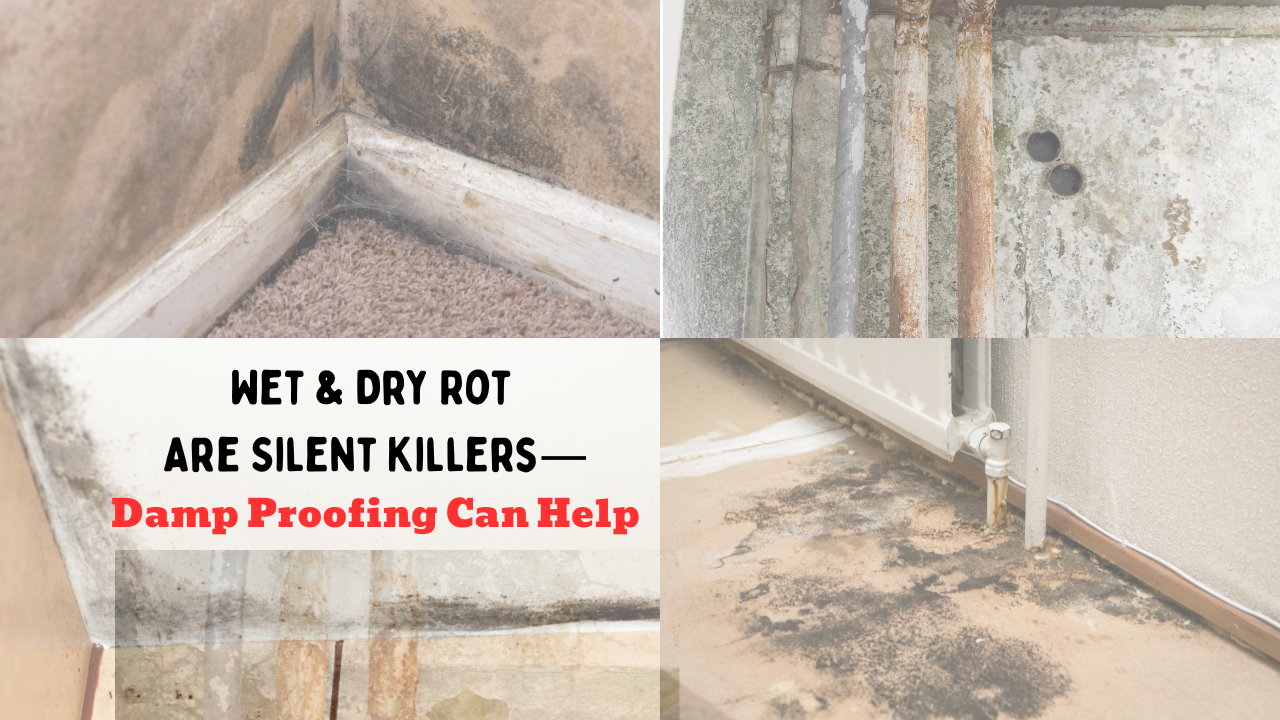
A home rarely gives loud warnings when something is wrong. More often, the real damage happens quietly behind walls, beneath floors, and inside roof timbers. Damp Proofing is one of the few defences that can stop moisture-related decay before it turns into a structural nightmare. Wet rot and dry rot don’t usually announce themselves until repair costs climb and safety becomes a concern. Damp Proofing plays a critical role in breaking that cycle early, protecting both the fabric of a building and the health of the people inside it.
Below is a practical, list-style guide that explains how these hidden threats develop, why they’re so dangerous, and how Damp Proofing can help stop them in their tracks.
1. What Wet & Dry Rot Really Are
Wet rot and dry rot are both forms of fungal decay, but they behave very differently—and both rely on moisture to survive. Damp Proofing matters here because neither type can thrive without prolonged damp conditions.
Wet rot typically attacks timber that’s repeatedly exposed to moisture, such as roof beams affected by leaks or joists near damp masonry. The wood becomes soft, dark, and structurally weak.
Dry rot, despite its name, is far more aggressive. Once it takes hold, it can spread through brickwork and plaster to reach new timber, even moving away from the original moisture source.
Key differences worth knowing:
- Wet rot stays close to the moisture source
- Dry rot spreads rapidly and invisibly
- Both compromise load-bearing timbers
Without proper Damp Proofing, these fungi are free to grow unnoticed.
2. Why Rot Is Called a “Silent Killer”
Rot earns its reputation because it hides well. Floorboards may still feel solid, walls may look fine, and ceilings may show no obvious staining—yet serious decay could already be underway. Damp Proofing is often overlooked until visible symptoms appear, but by then the damage is rarely minor.
Behind the scenes, rot can:
- Weaken structural timbers
- Cause floors to sag or bounce
- Lead to costly, disruptive repairs
Many homeowners only discover the problem during a survey or renovation. At that stage, Damp Proofing becomes a corrective measure rather than a preventative one, which is always more expensive.
3. The Moisture Triggers That Start It All
Rot doesn’t appear randomly. It’s usually the result of persistent moisture problems that go unresolved. Damp Proofing addresses these root causes directly instead of treating surface symptoms.
Common moisture sources include:
- Leaking roofs or damaged flashing
- Rising damp from failed damp-proof courses
- Blocked gutters and poor drainage
- Condensation in poorly ventilated spaces
Once moisture seeps into timber, it creates the ideal conditions for fungal growth. Damp Proofing systems are designed to control, redirect, or eliminate that moisture before decay can begin.
4. Early Warning Signs You Should Never Ignore
Rot rarely announces itself loudly, but it does leave clues. Knowing what to look for—and acting early—can save thousands in repair costs. Damp Proofing inspections often uncover these signs long before they’re obvious to the untrained eye.
Watch for:
- A musty or mushroom-like smell
- Cracked or shrinking timber
- Spongy or weakened floorboards
- White or grey fungal growth on wood or masonry
These symptoms don’t always mean rot is widespread, but they do indicate excess moisture. Damp Proofing is usually the next logical step once these warning signs appear.
5. How Damp Proofing Interrupts the Rot Cycle
Rot cannot survive without moisture. That’s why Damp Proofing is so effective—it removes the single condition fungi depend on. Instead of repeatedly repairing damaged wood, controlling moisture stops the problem at its source.
A professional approach may involve:
- Repairing or installing damp-proof courses
- Improving subfloor ventilation
- Treating affected masonry
- Managing condensation and airflow
When Damp Proofing is done correctly, it creates an environment where rot simply can’t continue to grow.
6. Wet Rot vs Dry Rot: Why Treatment Must Differ
Treating all rot the same way is a common and costly mistake. Damp Proofing strategies should always reflect the specific type of decay present.
Wet rot treatment focuses on:
- Removing the moisture source
- Replacing severely damaged timber
- Improving ventilation
Dry rot treatment is more extensive and may include:
- Removing affected plaster and masonry
- Treating surrounding materials
- Installing long-term moisture control systems
In both cases, Damp Proofing is what ensures the problem doesn’t return once repairs are complete.
7. Prevention Is Always Cheaper Than Repair
One of the biggest myths around rot is that it’s unavoidable in older properties. In reality, most cases stem from preventable damp issues. Damp Proofing works as long-term protection, not just a reactive fix.
Preventative steps include:
- Regular building inspections
- Prompt repair of leaks
- Maintaining gutters and drainage
- Monitoring indoor humidity
Addressing moisture early with Damp Proofing is far less disruptive than structural timber replacement later on.
8. When to Call in a Professional
DIY solutions often focus on surface drying or temporary fixes, which don’t stop rot from spreading internally. A qualified surveyor understands how moisture moves through a building and where decay is likely to develop next. Damp Proofing assessments are especially valuable when buying, selling, or renovating a property.
If you’re based in the North West and want reassurance rather than guesswork, a specialist in Damp Proofing Manchester can assess whether moisture, rot, or mould is present even if there are no obvious signs yet. It’s often better to check early and rule problems out than to discover them when repairs become unavoidable.
Final Thoughts
Wet rot and dry rot rarely start as major problems they grow into them when moisture is allowed to linger. Damp Proofing remains one of the most effective ways to protect a building’s structure, value, and safety. By controlling moisture early and consistently, homeowners can stop these silent killers long before they have the chance to cause serious damage.
This detailed guide explains how damp proofing helps prevent wet and dry rot in homes and buildings, reducing long-term structural and repair costs.