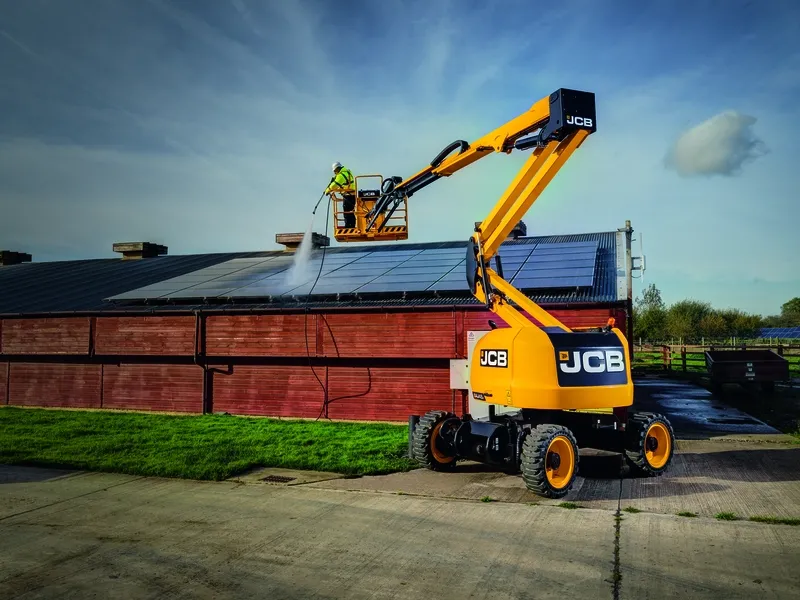
Understanding how much weight an articulated boom lift can carry is essential for safe and efficient job site operations. These versatile machines are commonly used in construction, maintenance, warehousing, and industrial projects. Every boom lift is designed with a specific load capacity that must never be exceeded. The load includes workers, tools, and materials placed on the platform. Ignoring weight limits can cause instability or serious accidents. Knowing the correct capacity ensures safety, productivity, and compliance with regulations.
What Is an Articulated Boom Lift?
An articulated boom lift is an aerial work platform designed with multiple hinged sections that allow flexible movement. Its jointed arm structure helps operators reach over obstacles and access tight or elevated spaces. The machine consists of a base unit, hydraulic lifting arms, and a work platform or basket. These lifts are commonly used for electrical work, building maintenance, signage installation, and construction. Their ability to move both vertically and horizontally makes them highly versatile. Articulated boom lifts are available in electric and diesel-powered models.
Understanding Load Capacity in Boom Lifts
Load capacity refers to the maximum weight the platform can safely support during operation. This includes the combined weight of operators, tools, and any materials being lifted. Manufacturers clearly define this limit in the operator manual and on the equipment plate. Safe Working Load (SWL) indicates the recommended maximum weight for safe operation. It is important to understand that total machine weight is different from platform capacity. Always calculate total load before elevating the platform to avoid exceeding limits.
Average Weight Capacity of Articulated Boom Lifts
Most articulated boom lifts have platform capacities ranging between 200 kg to 450 kg. Smaller electric models designed for indoor work typically support around 200–230 kg. Larger diesel-powered lifts used for outdoor construction may carry between 230–450 kg. Some heavy-duty models offer even higher capacities for demanding tasks. The exact weight limit depends on model size, working height, and outreach capability. Always check the specific model specifications before use.
Factors That Affect Weight Capacity
Several factors influence how much weight an articulated boom lift can safely carry. Platform size, lift height, outreach distance, and ground stability all play critical roles. As the boom extends further horizontally, the safe load capacity may decrease. Environmental conditions such as wind can also impact stability. Proper weight distribution inside the basket is equally important. Operators must consider all these factors before elevating the lift.
Platform Size
Platform size directly affects how many workers and tools can fit safely inside. Larger platforms are designed for dual operators but still have strict weight limits. Even if space allows more people, the weight capacity must not be exceeded. Overcrowding can cause uneven weight distribution. Proper positioning of tools inside the basket helps maintain balance. Always follow the manufacturer’s guidance regarding platform occupancy.
Lift Height and Outreach
As lift height increases, stability becomes more critical for safe operation. When the boom extends horizontally, leverage forces increase and may reduce allowable load. Many boom lifts have reduced capacity ratings at maximum outreach. Operators must understand that higher reach does not always mean higher weight tolerance. Checking load charts is essential for safe planning. Working within recommended limits ensures stability at all heights.
Type of Lift (Electric vs Diesel)
Electric articulated boom lifts are generally used indoors and have moderate load capacities. They are quieter and produce zero emissions, making them suitable for enclosed spaces. Diesel-powered models are built for outdoor terrain and heavy-duty tasks. These lifts often offer higher weight capacities and greater working heights. However, both types have clearly defined load limits. The choice depends on job requirements and working conditions.
Ground Conditions
Stable ground conditions are essential for maintaining lift balance under load. Uneven or soft surfaces can reduce overall stability, especially at maximum height. Some models use outriggers or stabilizers to improve support. If the ground cannot properly support the machine weight and load, tipping risks increase. Conducting a site assessment before operation is highly recommended. Solid, level ground ensures safe weight handling.
Single vs Dual Worker Capacity
Many articulated boom lifts are rated for one or two operators. Single-worker lifts typically support around 200–230 kg. Dual-worker models allow additional capacity but must include tool weight in calculations. It is important to add the weight of safety equipment and materials. Exceeding capacity even slightly can compromise safety systems. Proper planning prevents overload and maintains operational efficiency.
Why You Should Never Exceed Load Limits
Exceeding the rated load capacity can result in tipping, mechanical stress, or hydraulic failure. Overloading may also trigger safety alarms or automatic shutdown systems. Serious injuries and property damage can occur if weight limits are ignored. Regulatory bodies enforce strict safety standards for aerial work platforms. Non-compliance may lead to fines or legal consequences. Staying within limits ensures worker safety and equipment longevity.
How to Check the Load Capacity of Your Boom Lift
Every articulated boom lift displays its load capacity on a specification plate near the platform or base. The operator manual also provides detailed load information and safety instructions. Some models include load charts that show reduced capacities at certain angles. Operators should inspect these markings before each use. Training and certification help ensure correct understanding of load ratings. Never assume capacity without verifying official documentation.
Choosing the Right Boom Lift for Your Project
Selecting the right boom lift requires careful evaluation of project needs. Consider working height, outreach distance, and number of operators. Calculate the total weight of tools and materials required on the platform. Indoor projects may require electric models, while outdoor sites need diesel units. Consulting with equipment specialists can help match the right lift to your workload. Proper selection improves safety and productivity.
Why Choose FERAQuip for Articulated Boom Lifts
FERAQuip offers a wide range of articulated boom lifts with varying height and weight capacities. All equipment is regularly inspected and maintained to meet safety standards. Their team provides expert guidance to help clients choose the correct lift for specific job requirements. FERAQuip ensures compliance with industry regulations and operational safety protocols. Flexible rental options make equipment accessible for short-term and long-term projects. Choosing FERAQuip means reliable machinery and professional support.
Conclusion
Articulated boom lifts typically carry between 200 kg and 450 kg, depending on model and design. Understanding load capacity is critical for safe operation and project success. Factors like outreach, platform size, and ground stability influence weight limits. Operators must always verify manufacturer specifications before use. Never exceed the safe working load under any circumstances. Proper planning and equipment selection ensure both safety and efficiency.
FAQs
1. What is the average weight capacity of an articulated boom lift?
Most models support between 200 kg and 450 kg depending on size and type.
2. Does height affect boom lift weight capacity?
Yes, maximum outreach and height can reduce allowable load capacity.
3. Can two workers use an articulated boom lift?
Yes, if the platform is rated for dual occupancy and weight limits are followed.
4. What happens if you overload a boom lift?
Overloading can cause tipping, system failure, or automatic shutdown.
5. Where can I find the load rating on the machine?
The load capacity is listed on the specification plate and in the operator manual.