
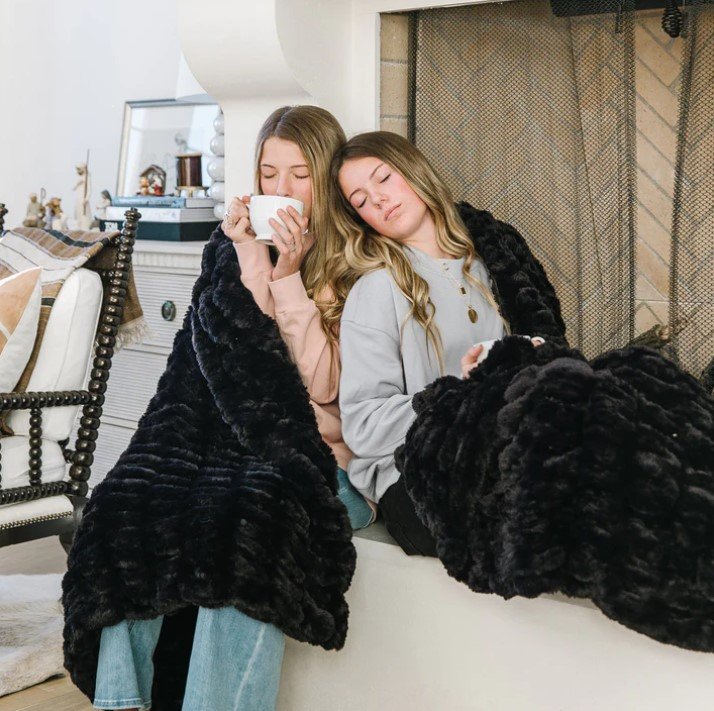
Minky blankets have become a popular choice for families, parents, and anyone seeking extra comfort at home. Known for their exceptionally soft texture and plush feel, these blankets are widely used in nurseries, bedrooms, and living spaces. Unlike traditional cotton or wool throws, minky blankets are made from specialized synthetic fibers that prioritize warmth, durability, and a luxurious touch. Understanding what they are made of, how they perform, and how to care for them can help you get the most value and comfort from your purchase.
What Is Minky Fabric
Minky fabric is a high-pile microfiber plush material typically made from 100 percent polyester. It was originally developed as a soft, velvety alternative to fleece and has since become a staple in baby products and cozy home textiles. The fabric is knit rather than woven, which gives it stretch and flexibility while maintaining thickness. Its fibers are extremely fine, creating a smooth, silky surface that feels gentle against the skin.
Many Minky blankets also feature textured patterns such as dots, ridges, or embossed designs. These textures add visual interest and sensory stimulation, which is why the fabric is often used for baby blankets and sensory products. Because polyester fibers resist shrinking and wrinkling, the material maintains its shape and softness even after repeated use.
Key Benefits of Minky Blankets
One of the biggest reasons people choose Minky blankets is their superior softness. The plush fibers create a velour-like finish that feels warmer and smoother than standard fleece or cotton. This makes them especially appealing for children, people with sensitive skin, and those who value comfort.
Warmth is another notable benefit. Minky fabric traps air between its fibers, providing insulation without excessive weight. This makes the blankets suitable for year-round use, offering warmth in winter and lightweight coziness in cooler evenings.
Durability is also a strong advantage. Polyester microfiber is resistant to pilling, tearing, and fading. With proper care, Minky blankets can last for years while retaining their plush texture. They are also less likely to trigger allergies compared to natural fibers, since synthetic materials do not harbor dust mites as easily.
Additionally, these blankets come in a wide range of colors, prints, and sizes. From nursery themes to modern home décor, Minky blankets offer both function and style.
Common Uses Around the Home
Because of their softness and practicality, Minky blankets serve many purposes. They are widely used as baby swaddles, crib blankets, and stroller covers due to their gentle feel and warmth. Adults often use them as throw blankets for couches, beds, or travel.
They are also popular for sensory comfort. The textured varieties can provide soothing tactile input, which is helpful for relaxation or stress relief. Some people even use them as weighted blankets when paired with additional filling, enhancing their calming effect.
Whether for sleep, lounging, or decorative layering, Minky blankets adapt easily to different environments and needs.
How to Care for Minky Blankets
Proper care is essential to keep Minky blankets soft and long-lasting. Washing them correctly prevents matting and fiber damage. Most experts recommend machine washing in cold water using a gentle cycle. Avoid fabric softeners, as they coat the fibers and reduce the plush texture over time.
Use a mild detergent and wash the blanket separately or with other soft fabrics to prevent friction. High heat should also be avoided. Instead, tumble dry on low or air dry to protect the fibers. Excessive heat can melt or flatten the polyester pile, permanently affecting the softness.
If the blanket develops wrinkles or flattened areas, a quick fluff in the dryer on low heat can help restore its texture. Regular but gentle washing will keep it clean without compromising quality.
Choosing the Right Minky Blanket
When shopping for Minky blankets, consider size, thickness, and backing material. Some feature double-sided Minky, while others combine Minky with cotton or satin for breathability. Heavier blankets provide more warmth, while lighter versions are better for travel or warmer climates.
Look for reinforced stitching and quality construction to ensure durability. Reading care labels and product descriptions can also help you select a blanket that matches your lifestyle and maintenance preferences.
Conclusion
Minky blankets offer a unique combination of softness, warmth, and durability that few other fabrics can match. Their plush microfiber construction makes them comfortable for babies and adults alike, while their easy maintenance adds everyday practicality. For those exploring even cozier alternatives, options like fur blankets can also provide a similar level of warmth and luxury. By understanding the fabric, benefits, and proper care methods, you can enjoy long-lasting comfort and make an informed purchase.