
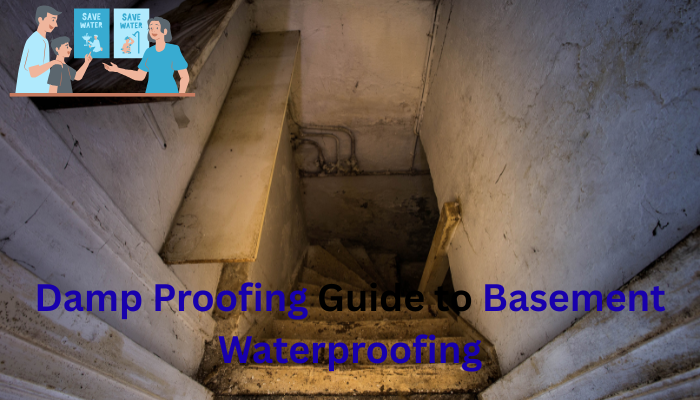
A damp basement rarely starts as a dramatic flood. It often begins with a faint musty smell, peeling paint near the floor, or a dark patch that seems to grow after heavy rain. Left untreated, that minor moisture can weaken structures, damage stored items, and create an unhealthy indoor environment. This guide explains how damp proofing connects with basement waterproofing and what practical steps homeowners can take to create a dry, durable lower level.
1. Why Damp Proofing Matters Before Waterproofing
Many people jump straight to waterproofing systems without addressing the underlying moisture behavior. Effective damp proofing focuses on controlling moisture at its source, preventing it from penetrating walls in the first place.
Basements sit below ground level, surrounded by soil that naturally holds water. When hydrostatic pressure builds, moisture pushes through porous materials like concrete and brick. Without proper damp proofing, even the best interior waterproofing can struggle to keep up.
Key reasons to prioritize moisture control first:
- Reduces long-term structural stress
- Prevents mould growth and indoor air issues
- Improves effectiveness of waterproofing systems
- Protects insulation and finished walls
Think of damp proofing as prevention and waterproofing as defense. When both work together, the result is far more reliable.
2. Common Causes of Basement Dampness
Understanding why moisture enters a basement helps determine the right damp proofing strategy. Water intrusion is rarely caused by a single issue.
External Factors
Soil composition, rainfall patterns, and landscaping all influence moisture levels around foundations. Poor grading can direct water toward the house instead of away from it.
Structural Weak Points
Cracks, porous concrete, and deteriorating mortar joints allow water to seep through. Over time, freeze-thaw cycles worsen these vulnerabilities.
Plumbing or Internal Sources
Leaks from pipes, water heaters, or drainage systems can mimic groundwater issues. Proper inspection ensures the damp proofing plan targets the real cause.
Addressing these factors early prevents recurring problems and unnecessary repairs.
3. Exterior Damp Proofing Methods That Work
Exterior solutions are often the most effective because they stop water before it reaches basement walls. Professional contractors frequently recommend this approach for severe moisture problems.
Common exterior damp proofing techniques include:
- Applying waterproof membranes to foundation walls
- Installing perimeter drainage systems
- Adding gravel backfill to improve water flow
- Repairing foundation cracks from the outside
- Improving surface grading around the property
While excavation can be disruptive, it provides long-term protection and reduces reliance on interior pumps or sealants.
4. Interior Damp Proofing Solutions for Existing Basements
Not every home can undergo exterior work, especially in urban areas where access is limited. Interior damp proofing offers practical alternatives.
Sealants and coatings can reduce moisture penetration through walls and floors. Modern products form breathable barriers that block liquid water while allowing vapor to escape, preventing trapped humidity.
Other interior options include:
- Vapor barriers behind finished walls
- Subfloor drainage channels
- Sump pump systems
- Dehumidifiers for humidity control
Although interior measures manage water after entry, combining them with external improvements delivers stronger results.
5. The Role of Proper Drainage in Damp Control
Water rarely accumulates without a path leading it there. Effective drainage is a cornerstone of successful damp proofing.
Surface Drainage
Gutters and downspouts should direct water well away from the foundation. Extensions or underground drains prevent pooling near basement walls.
Subsurface Drainage
French drains and footing drains relieve hydrostatic pressure by channeling groundwater away before it can build up. These systems are particularly useful in areas with heavy rainfall or clay soil.
A well designed drainage plan reduces the workload on waterproofing materials and keeps basements consistently dry.
6. Signs Your Basement Needs Immediate Damp Proofing
Moisture problems often escalate quietly. Recognizing early warning signs allows homeowners to act before serious damage occurs.
Watch for:
- Persistent musty odors
- White powder (efflorescence) on walls
- Peeling paint or bubbling plaster
- Warped wood or rusting metal items
- Visible mould patches
Ignoring these indicators can lead to structural deterioration and costly renovations. Timely damp proofing protects both the building and indoor health.
7. Damp Proofing vs. Full Waterproofing Systems
Although the terms are sometimes used interchangeably, they serve different purposes. Damp proofing resists moisture penetration, while waterproofing aims to stop liquid water entirely, even under pressure.
For many homes, especially those without active flooding, a robust moisture-control strategy may be sufficient. In high-risk environments, combining both methods offers the best protection.
Professionals typically evaluate:
- Soil saturation levels
- Foundation type
- Age of the property
- Existing damage
- Local climate patterns
This assessment determines whether preventive measures alone will suffice or if comprehensive waterproofing is necessary.
8. Long Term Maintenance for a Dry Basement
Installing systems is only part of the solution. Ongoing maintenance ensures damp proofing measures continue working year after year.
Recommended practices:
- Clean gutters regularly
- Inspect foundation walls annually
- Test sump pumps before rainy seasons
- Monitor indoor humidity levels
- Address minor leaks immediately
Routine care prevents small issues from turning into major structural problems.
9. Choosing Professional Help vs. DIY Approaches
Minor sealing tasks can be handled by homeowners, but complex moisture issues often require expert evaluation. Professionals use specialized tools to detect hidden water paths and structural weaknesses.
Hiring experienced contractors for damp proofing ensures:
- Accurate diagnosis of moisture sources
- Proper material selection
- Compliance with building standards
- Long-lasting results
If the problem persists despite basic repairs, professional assessment is usually the safest option.
Final Thoughts
A basement should be a usable extension of your home, not a space you avoid because of damp air and water stains. Effective moisture control requires a combination of prevention, structural improvements, and maintenance. When properly planned, damp proofing significantly reduces the risk of leaks, mould, and long-term damage.
Homeowners dealing with persistent moisture may benefit from consulting specialists who understand local building conditions. For example, those researching services similar to Damp Proofing Barnsley might look for reputable providers with proven experience, detailed inspections, and tailored treatment plans. Choosing the right expertise can make the difference between a temporary fix and a permanently dry basement.
If you want to read more explore this website -: www.todayigosolar.com