Effective filtration is essential for clean air, safe water, and healthy industrial processes. Many industries rely on activated carbon to remove contaminants such as chemicals, odors, organic compounds, and harmful gases. While activated carbon is a powerful filtration material, using it correctly is not simple. Different applications require different carbon types, system designs, and operating conditions. This is why hiring an activated carbon consultant is critical for achieving reliable and long-lasting filtration results.
An activated carbon consultant brings technical knowledge, practical experience, and problem-solving skills to filtration projects. Their role goes beyond recommending a product. They help design systems that work efficiently, meet regulations, and deliver consistent performance over time.
Understanding Activated Carbon Filtration
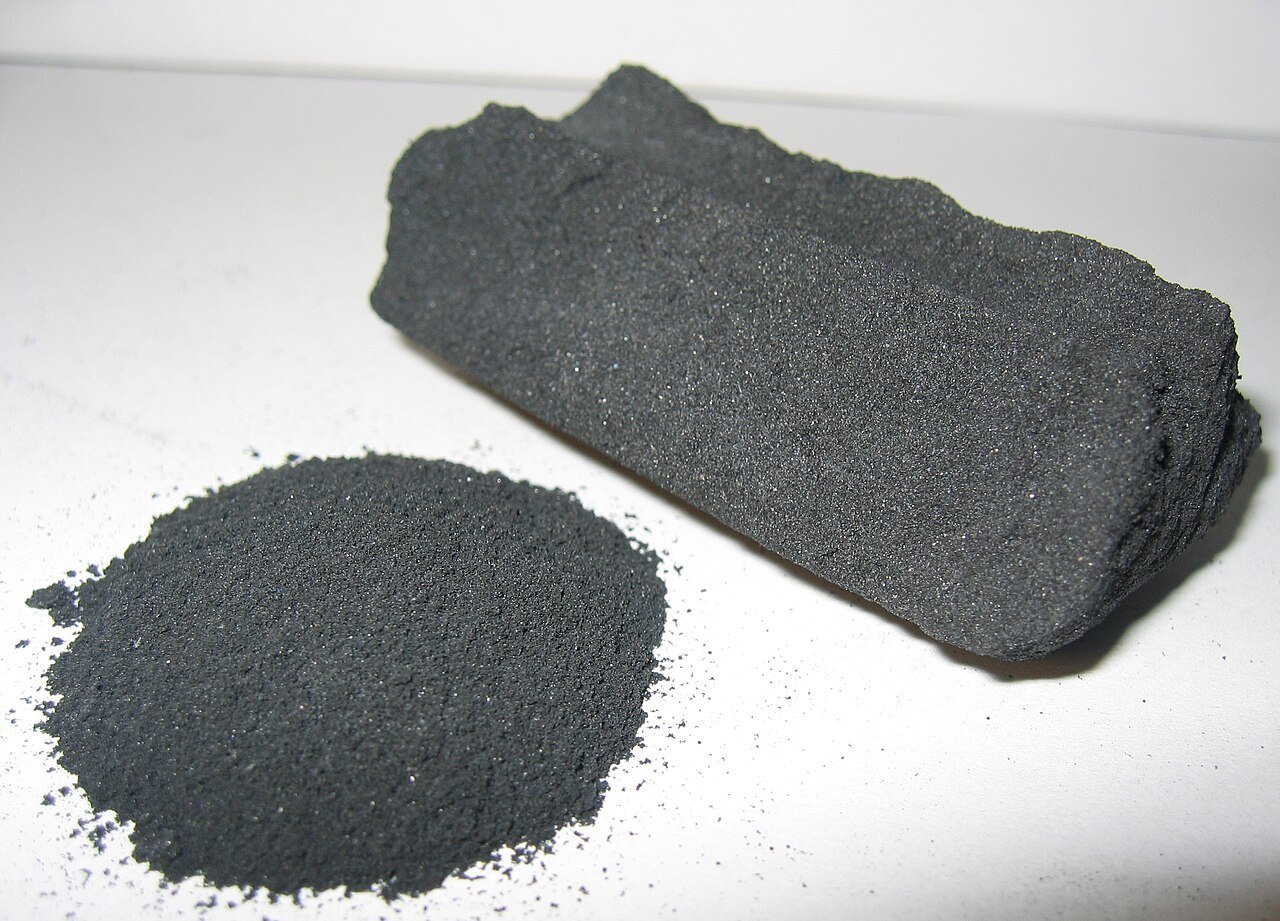
Activated carbon is known for its high surface area and strong adsorption ability. It attracts and traps pollutants from air or water as these substances pass through the carbon media. Because of this property, activated carbon is widely used in water treatment plants, air purification systems, industrial exhaust control, and environmental cleanup projects.
However, not all activated carbon works the same way. Factors such as pore size, raw material, particle shape, and treatment method affect how well carbon performs in different conditions. Choosing the wrong carbon or system design can lead to poor filtration, frequent replacements, and increased operating costs.
An activated carbon consultant understands these details and ensures the right solution is applied to each filtration challenge.
The Complexity of Filtration Systems
Filtration systems are influenced by many variables. Flow rate, contaminant type, temperature, humidity, and contact time all affect performance. A system that works well in one facility may fail in another due to different operating conditions.
An activated carbon consultant evaluates all these factors before recommending a solution. They analyze the contaminants, test samples when needed, and determine the most suitable carbon type and system layout. This careful planning reduces trial-and-error approaches and prevents costly mistakes.
Why Expert Guidance Matters
Accurate Carbon Selection
One of the most important roles of an activated carbon consultant is selecting the right carbon media. There are many types of activated carbon, including granular, powdered, and pelletized forms. Each type is designed for specific uses.
For example, water treatment systems may require carbon with different pore structures than air filtration systems. Industrial processes dealing with chemical vapors may need specially treated carbon. A consultant ensures that the selected carbon matches the application, improving efficiency and lifespan.
Proper System Design
Even the best carbon will fail if the system design is poor. Bed depth, vessel size, airflow or water flow rate, and contact time must be carefully calculated. If contaminants move too quickly through the system, they will not be fully removed.
An activated carbon consultant designs systems that allow enough contact time for adsorption. This leads to better contaminant removal and fewer operational problems.
Cost Control and Efficiency
Without expert input, many organizations overspend on filtration systems or replace carbon too often. Poor design can cause early carbon exhaustion, leading to higher material and labor costs.
By hiring an activated carbon consultant, businesses can optimize system performance and reduce waste. Consultants help balance initial investment with long-term operating costs. Over time, this leads to significant savings.
Regulatory Compliance
Many industries must follow strict environmental and safety regulations. Air emissions and water discharge limits are closely monitored by authorities. Failing to meet these standards can result in fines, shutdowns, and damage to reputation.
An activated carbon consultant understands regulatory requirements and ensures filtration systems are designed to meet them. They also assist with documentation, testing, and performance verification.
Solving Common Filtration Problems
Many facilities struggle with recurring filtration issues. These may include odor complaints, breakthrough of contaminants, pressure drop problems, or inconsistent performance.
An activated carbon consultant identifies the root causes of these problems. They may recommend changes in carbon type, system configuration, or operating conditions. Their experience allows them to quickly diagnose issues that might otherwise take months to resolve.
Supporting Sustainable Operations
Sustainability is becoming a priority for many organizations. Efficient filtration supports environmental goals by reducing harmful emissions and protecting natural resources.
An activated carbon consultant helps design systems that use carbon efficiently and reduce waste. They may also recommend carbon reactivation or recycling options when available. This approach lowers environmental impact and supports responsible resource use.
Industry Applications That Benefit Most
Water Treatment
Municipal and industrial water systems use activated carbon to remove chlorine, organic chemicals, and taste or odor compounds. An activated carbon consultant ensures that treatment goals are met while maintaining flow rates and system reliability.
Air Pollution Control
Industries producing chemical vapors or unpleasant odors rely on activated carbon for air purification. Consultants design systems that handle variable emissions and ensure clean exhaust air.
Manufacturing and Processing Plants
Many manufacturing processes generate pollutants that must be controlled. An activated carbon consultant helps integrate filtration systems into existing operations without disrupting production.
Environmental Remediation
Cleanup projects involving contaminated soil or groundwater often use activated carbon. Consultants play a key role in selecting the right materials and methods for effective remediation.
Long-Term Performance and Monitoring
Effective filtration does not end with installation. Systems require monitoring and adjustment to maintain performance over time. Carbon saturation levels, pressure drop, and contaminant removal efficiency must be tracked.
An activated carbon consultant provides guidance on monitoring plans and maintenance schedules. They help organizations know when to replace or regenerate carbon, preventing unexpected failures.
Reducing Risk and Improving Reliability
Filtration failures can be costly and damaging. Odor complaints, regulatory violations, or production shutdowns can affect business operations and public trust.
Hiring an activated carbon consultant reduces these risks. Their expertise leads to reliable systems that perform as expected under real-world conditions.
Conclusion
Activated carbon is a powerful filtration tool, but its success depends on proper selection, design, and management. Without expert guidance, organizations risk poor performance, high costs, and regulatory issues.
Hiring an activated carbon consultant is critical for effective filtration. Consultants bring deep technical knowledge and practical experience to every stage of a project. They help choose the right carbon, design efficient systems, solve complex problems, and support long-term sustainability.
For any organization serious about clean air, safe water, and reliable filtration, working with an activated carbon consultant is a smart and necessary investment.