
The UAE’s hot and arid climate makes cooling systems an essential part of everyday life. With temperatures often exceeding 40°C during the summer months, air conditioning is not a luxury but a necessity. However, conventional cooling systems consume significant energy, contributing to high electricity bills and increased carbon emissions. As sustainability becomes a growing priority, homeowners are now turning to eco-friendly cooling solutions to reduce environmental impact while maintaining indoor comfort.
Creating sustainable homes in the UAE requires a combination of smart design, energy-efficient technologies, and renewable energy integration. By adopting green cooling strategies, residents can lower energy consumption, reduce costs, and contribute to the country’s vision for environmental sustainability.
1. Energy-Efficient Air Conditioning Systems
Modern inverter-based air conditioners are far more energy-efficient than traditional units. Unlike standard systems that operate at full capacity continuously, inverter ACs adjust compressor speed based on cooling demand. This reduces electricity usage and ensures consistent temperature control.
When selecting an air conditioning unit, homeowners should look for high Energy Efficiency Ratio (EER) ratings and systems approved by UAE regulatory authorities. Proper installation and regular maintenance also play a key role in maximizing efficiency and extending equipment lifespan.
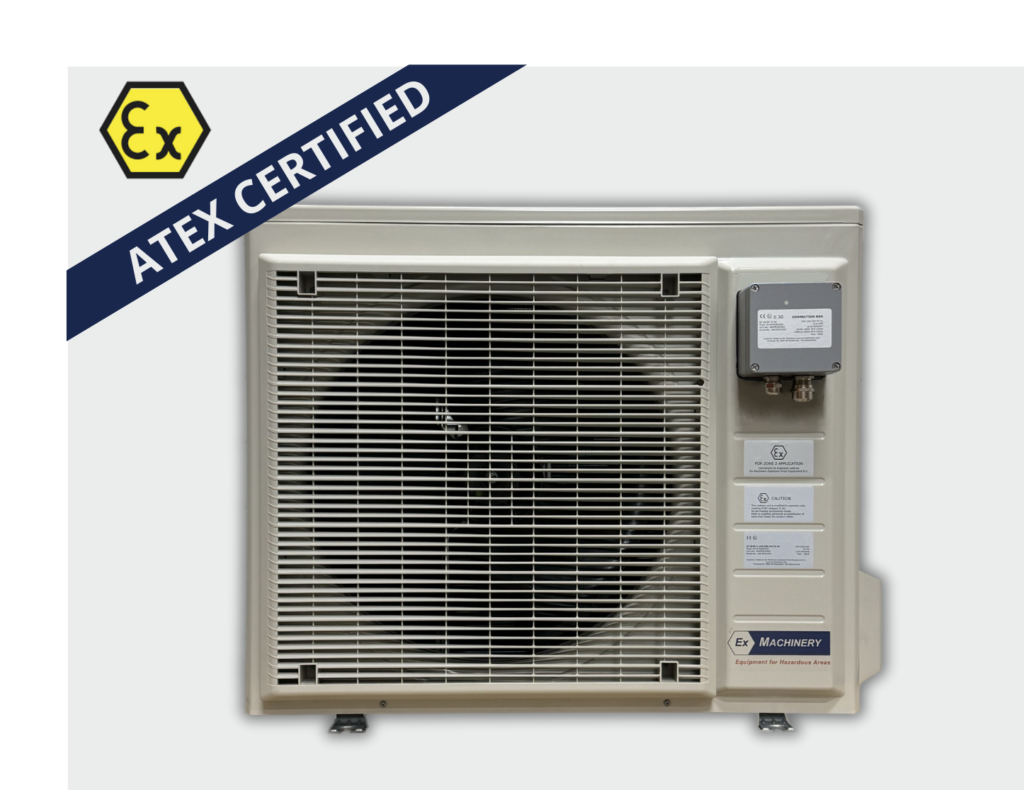
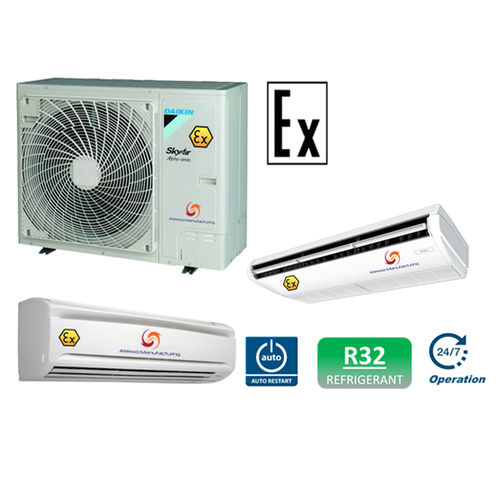
NOTE: Atex Air Conditioner solutions had been engineered to deliver safe and efficient cooling in hazardous environments. Reliable temperature control had been ensured for industrial facilities requiring explosion-proof systems. High safety standards had been maintained throughout operations. Contact Prolux International LLC today to secure certified cooling solutions for your facility.
2. Smart Thermostats and Automation
Smart thermostats help regulate indoor temperatures more efficiently by learning usage patterns and adjusting cooling schedules automatically. These devices allow homeowners to control temperatures remotely via mobile apps, preventing unnecessary energy consumption when no one is at home.
By integrating smart cooling systems with home automation, residents can monitor energy usage in real time and optimize performance. Automated blinds and curtains can also reduce heat gain during peak sunlight hours, lowering reliance on air conditioning.
3. Solar-Powered Cooling Systems
The UAE receives abundant sunlight throughout the year, making solar energy an ideal solution for sustainable cooling. Solar-powered air conditioning systems use photovoltaic panels to generate electricity, reducing dependence on grid power.
In addition, solar thermal cooling technologies convert solar heat into cooling energy, offering an innovative approach to temperature control. Although initial installation costs may be higher, long-term savings and environmental benefits make solar cooling a smart investment.
4. Proper Insulation and Building Design
Sustainable cooling begins with smart architectural planning. Proper insulation in walls, roofs, and windows significantly reduces heat transfer, keeping indoor spaces cooler for longer periods. Double-glazed windows and reflective roofing materials further enhance thermal efficiency.
Incorporating passive cooling techniques, such as shaded courtyards, cross-ventilation, and strategic window placement, can reduce indoor temperatures naturally. Many modern sustainable homes in the UAE are designed with energy efficiency in mind from the ground up.
5. District Cooling Systems
District cooling is becoming increasingly popular in UAE residential communities. This system centralizes cooling production and distributes chilled water to multiple buildings, improving overall efficiency compared to standalone AC units.
District cooling reduces peak electricity demand, lowers maintenance costs, and minimizes environmental impact. Many large developments in Dubai and Abu Dhabi have already adopted this eco-friendly solution to support sustainable urban growth.
6. Energy-Efficient Ceiling Fans and Ventilation
Ceiling fans and natural ventilation systems complement air conditioning by improving airflow and reducing the need for lower thermostat settings. When combined with efficient AC units, fans can help maintain comfort while consuming significantly less energy.
Natural ventilation strategies, including operable windows and ventilation shafts, allow cooler evening air to circulate indoors, especially during transitional seasons.
7. Green Roofs and Landscaping
Outdoor landscaping can influence indoor temperatures. Planting trees around homes provides shade and reduces heat absorption. Green roofs and vertical gardens help insulate buildings while improving air quality.
Sustainable landscaping not only enhances aesthetics but also contributes to cooler surroundings and reduced cooling loads inside the home.
8. Regular Maintenance and Energy Audits
Even the most advanced cooling systems require proper maintenance. Cleaning air filters, checking refrigerant levels, and servicing units regularly ensures optimal performance and energy efficiency.
Energy audits can help homeowners identify areas where cooling efficiency can be improved. Small upgrades, such as sealing air leaks or upgrading insulation, can result in noticeable energy savings.
Conclusion
Eco-friendly cooling solutions are essential for building sustainable homes in the UAE. By combining energy-efficient air conditioning, smart automation, solar power, proper insulation, and green landscaping, homeowners can significantly reduce their carbon footprint while maintaining indoor comfort.
As the UAE continues to promote sustainability and green building initiatives, adopting environmentally responsible cooling methods is not just a smart choice—it is a necessary step toward a more sustainable future. Investing in eco-friendly cooling today ensures long-term savings, improved comfort, and a positive contribution to environmental preservation.
