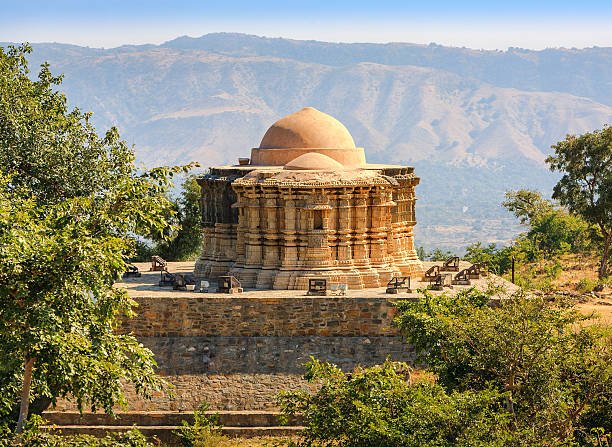
Kumbhalgarh is one of those rare destinations in India where every corner has a story to tell. Whether you are a history lover, a nature enthusiast, a photographer, or simply someone looking for a peaceful escape from city life — this place has something that speaks directly to you. Tucked in the Aravalli hills of Rajasthan, about 85 kilometres from Udaipur, Kumbhalgarh quietly holds some of the most remarkable attractions in the entire country. Before you plan your visit, knowing the right place to stay makes all the difference — and the best hotel resort in Kumbhalgarh, Kumbhalmer Resort, sits right at the heart of it all, giving you easy access to every major attraction this destination offers.
Kumbhalgarh Fort: The Wall That the World Forgot
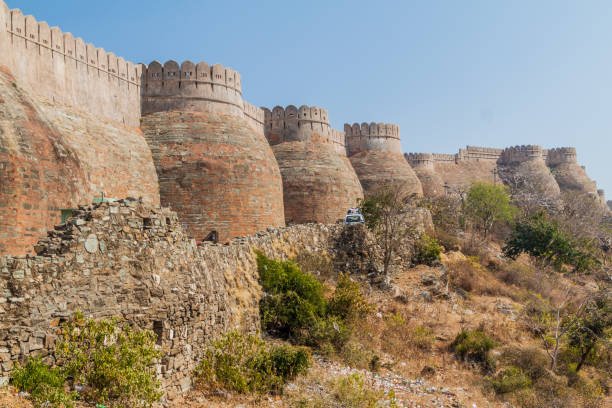
If there is one attraction that defines Kumbhalgarh above everything else, it is the fort. The Kumbhalgarh Fort is a UNESCO World Heritage Site and one of the most impressive military structures ever built in India. Constructed in the 15th century by the great Rajput ruler Rana Kumbha, the fort stands at an elevation of 1,100 metres above sea level and commands a view of the surrounding Aravalli range that is simply breathtaking.
The Second Longest Wall in the World
The fort’s boundary wall stretches over 36 kilometres — making it the second longest continuous wall in the world, after the Great Wall of China. The wall is so wide in certain sections that eight horses could ride side by side on it. Walking along these ancient battlements, with the forest spreading across the valleys below and the Rajasthan sky above, is an experience that is difficult to put into words.
What You Will Find Inside the Fort
The fort is not just a wall — it is an entire world within walls. Inside, there are over 360 temples, both Hindu and Jain, spread across the fort complex. The most notable among them are the Vedi Temple, Neelkanth Mahadeva Temple, and the Parsvanatha Temple. There are also royal palaces, watchtowers, granaries, and step wells — all of which give you a vivid picture of what life inside this fort looked like centuries ago.
Badal Mahal: The Palace That Touches the Clouds
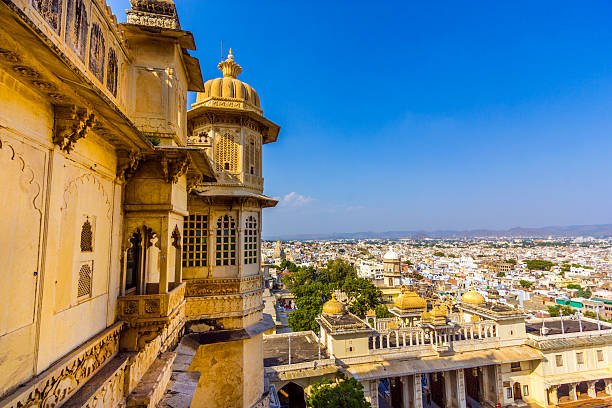
Within the fort complex sits the Badal Mahal, which translates to the Palace of Clouds. This two-storey royal residence sits at the highest point of the fort and offers panoramic views in every direction. During the monsoon season, clouds literally drift through the palace windows — giving the structure its name in the most literal and magical way. The interiors feature beautiful painted walls, carved columns, and royal chambers that reflect the artistic taste of the Rajput era.
The Sound and Light Show
Every evening, the Kumbhalgarh Fort hosts a sound and light show that narrates the history of the fort, Rana Kumbha, and the legendary Maharana Pratap who was born here. The show is dramatic, well-produced, and deeply moving — especially when experienced against the backdrop of the illuminated fort walls at night. It is one of those evenings that stays in your memory long after the trip is over.
Kumbhalgarh Wildlife Sanctuary: Nature at Its Wildest
Surrounding the fort on all sides is the Kumbhalgarh Wildlife Sanctuary — a sprawling 578 square kilometre protected forest that is one of the richest wildlife habitats in Rajasthan. The sanctuary is home to Indian leopards, wolves, sloth bears, striped hyenas, chausingha antelope, sambhar, nilgai, chinkara, and over 250 species of birds. It is one of the only places in Rajasthan where you can spot Indian wolves in their natural habitat — a fact that makes this sanctuary genuinely unique on a national scale.
Jungle Jeep Safari: Going Deep Into the Wild
The best way to explore this sanctuary is through the jungle safari at Kumbhalgarh, which takes you deep into the forest in an open jeep with an experienced local guide. The safari covers around 10 kilometres inside the sanctuary, takes approximately 2 hours, and is available from 6 AM to 6 PM. Early morning slots are the most rewarding — when the air is cool, the birds are loudest, and wildlife is most active. Kumbhalmer Resort coordinates safari bookings for guests, making the entire process smooth and completely hassle-free.
Birdwatching and Nature Walks
For those who prefer a slower pace, the sanctuary offers fantastic birdwatching opportunities. Peacocks, parakeets, golden orioles, kingfishers, flamingos, and cormorants are among the many species you can spot. Nature walks along the Aravalli trails — especially in the early morning — are deeply refreshing, with the sound of birds replacing every other noise and the scent of the forest filling the air around you.
Ranakpur Jain Temple: A Masterpiece in Marble
Located about 35 kilometres from Kumbhalgarh, the Ranakpur Jain Temple is one of the most architecturally stunning religious sites in all of India. Built in the 15th century and dedicated to Adinatha, the first Jain Tirthankara, the temple complex is famous for its 1,444 intricately carved marble pillars — each one unique, no two designs the same. The level of craftsmanship on display here is genuinely extraordinary, and spending time walking through the pillared halls in the cool marble interior is a peaceful and humbling experience. The temple is open to visitors of all faiths and is best visited in the morning hours when the light filters beautifully through the carved marble screens.
Haldighati: Where History Bled Into the Earth
Around 40 kilometres from Kumbhalgarh lies Haldighati — the site of one of the most famous battles in Indian history. It was here in 1576 that Maharana Pratap of Mewar faced the Mughal emperor Akbar’s forces in a battle that has become the defining symbol of Rajput courage and resistance. The name Haldighati refers to the yellow turmeric-coloured soil of the mountain pass where the battle took place.
What to See at Haldighati
The area has a museum dedicated to Maharana Pratap and the battle, a memorial to his legendary horse Chetak, and the Chetak Samadhi — a monument built in honour of the horse that carried a wounded Maharana Pratap to safety. For anyone with even a passing interest in Indian history, Haldighati is a deeply moving visit that brings school textbook history to life in a very powerful way.
Muchchal Mahavir Temple: Faith on the Edge of a Cliff
Perched dramatically on a rocky cliff face near Ghanerao, about 35 kilometres from Kumbhalgarh, the Muchchal Mahavir Temple is one of the most uniquely situated Jain temples in Rajasthan. The temple is dedicated to Lord Mahavir and is named after the distinctive moustache on the deity’s idol — a rare and striking feature that draws curious visitors and devoted pilgrims alike. The surrounding landscape of rocky hills and scrub forest adds to the temple’s dramatic and peaceful atmosphere.
Thandi Beri Lake: Quiet Beauty in the Middle of the Forest
Inside the Kumbhalgarh Wildlife Sanctuary lies Thandi Beri Lake — a peaceful water body that serves as a vital source of water for the sanctuary’s wildlife. The lake is surrounded by forest and rocky hills, and during the winter months it attracts migratory birds and waterfowl in large numbers. Crocodiles are also spotted here regularly. For wildlife photographers and nature lovers, Thandi Beri Lake is one of those quiet, unhurried spots where you can simply sit and watch the natural world go about its business.
Parshuram Mahadev Temple: The Cave That Echoes With Devotion
About 50 kilometres from Kumbhalgarh, this ancient Shiva temple is carved directly into a natural cave in the Aravalli hills. It is a significant pilgrimage site with deep mythological roots — believed to be the place where Lord Parshuram performed his penance. The trek to the temple through the forest is an attraction in itself, and the cave interior with its natural rock formations and temple atmosphere creates a sense of timelessness that is rare to experience.
Kumbhalmer Resort: The Best Base for Exploring All These Attractions
Every major attraction in Kumbhalgarh is more enjoyable when you have the right place to come back to at the end of the day. Kumbhalmer Resort is located inside a forest, surrounded by the Aravalli hills, and sits centrally between the fort, the sanctuary, and all the surrounding heritage sites. After a morning safari, a long walk through the fort, or an afternoon at Ranakpur — returning to the resort’s comfortable rooms, fresh Rajasthani food, and the calm of the forest feels like the perfect ending to every day.
The resort offers well-designed room categories from Deluxe Rooms to spacious Premium Suites, a multi-cuisine restaurant serving authentic Rajasthani and Indian food, a swimming pool with open Aravalli views, and a team of genuinely warm and helpful staff. Families find the open grounds, the peacocks, and the safe surroundings particularly special. Couples enjoy the privacy and the natural beauty. Solo travellers appreciate the calm and the easy access to nature. It is no surprise that guests who visit consistently recommend it as the best resort in Kumbhalgarh for family — a place where every kind of traveller feels completely at home.
Final Thought: Kumbhalgarh Is Not One Attraction — It Is an Entire World
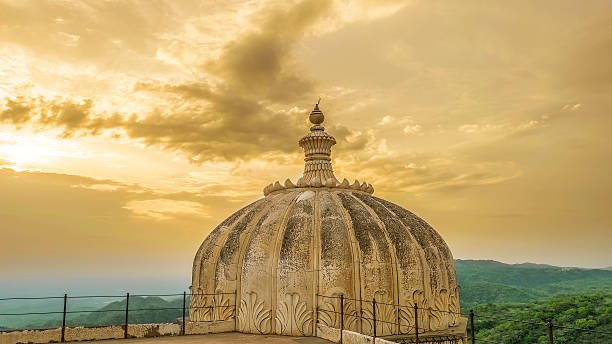
Most destinations have one thing to offer. Kumbhalgarh has everything — a UNESCO fort with the world’s second longest wall, a wildlife sanctuary with wolves and leopards, marble temples of extraordinary beauty, a battlefield where Rajput history was written in blood, sacred cave temples, peaceful forest lakes, and trekking trails through the ancient Aravallis. Each of these attractions on its own would be worth a trip. Together, they make Kumbhalgarh one of the most complete and rewarding travel experiences in all of Rajasthan — and in India as a whole.