Let’s be honest—most homes feel a bit… flat. Clean, maybe even stylish, but missing something you can’t quite name. That “something” is usually movement. Life. A bit of calm energy flowing through the space.
That’s where water features and indoor fountains come in. Not in a fancy, over-designed way. Just simple, real additions that actually make your space feel different. Not just look different.
I’ve seen it happen. A dull corner becomes the spot people naturally drift toward. A noisy room somehow feels calmer. It’s subtle, but it works.
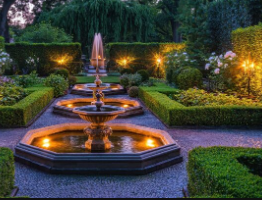
The Strange Calm That Water Brings
There’s a reason people sit by rivers or stare at waves longer than they planned. Water does something to your brain. It slows things down.
When you bring water features indoors, even small ones, you’re basically stealing a bit of that outdoor calm and dropping it into your living room.
And no, it’s not just about aesthetics. The soft trickling sound from indoor fountains can actually cut through background noise. Not eliminate it—but soften it. That matters more than people think, especially if you live in a busy house or a noisy area.
It’s not magic. But it feels close.
Indoor Fountains Aren’t Just Decorative Anymore
A lot of people still think indoor fountains are those bulky, outdated things from hotel lobbies. That’s old thinking.
Now? They come in all kinds of styles—minimal, rustic, modern, even weirdly artistic if that’s your thing. Some are small enough to sit on a desk. Others become the centerpiece of a room without screaming for attention.
And the best part? You don’t need a huge space. A compact apartment can handle a fountain just fine.
Actually, smaller spaces often benefit more. The effect feels stronger, more noticeable.
Why Water Features Feel “Alive” (Because They Kind of Are)
Static decor gets boring. You get used to it fast. A painting becomes part of the wall. A shelf blends into the background.
But water features don’t sit still. They move. They make sound. They reflect light differently depending on the time of day.
That constant, slight change keeps your space from feeling stale.
It’s a small thing. But it keeps your environment from going dull. And once you notice that, it’s hard to go back.
The Low-Key Wellness Boost Nobody Talks About
People love throwing around words like “wellness” and “self-care.” Most of it is overhyped. But this part is real.
Having indoor fountains around can help with:
- Stress levels (even if just a little)
- Focus, especially if you work from home
- Air moisture in dry rooms
It’s not going to fix your life. Let’s not pretend. But it can make your daily environment easier to exist in. And honestly, that’s already a win.
Placement Matters More Than You Think
Here’s where people mess up.
They buy a nice fountain… then stick it somewhere random. Corner of a room. Behind furniture. Somewhere you barely notice.
That kills the whole effect.
If you’re adding water features, place them where you actually spend time:
- Near your seating area
- Close to your workspace
- Entryway, where the sound greets you
You don’t need perfect feng shui or anything complicated. Just use common sense. If you can’t see or hear it, it’s basically useless.
Small Space? Even Better
There’s this idea that you need a big house to justify indoor fountains. Not true.
In smaller spaces, the impact is stronger. The sound travels better. The visual effect feels more immersive.
A tabletop fountain on a shelf can change the whole mood of a studio apartment. Seriously.
And you don’t need to go expensive either. Simple designs often feel more natural anyway.
Maintenance Isn’t a Nightmare (Relax)
This is usually the first concern.
“Isn’t it hard to maintain?”
Not really.
Most modern water features are designed to be low-effort. You’ll need to:
- Refill water occasionally
- Clean it every couple of weeks
- Make sure the pump stays clear
That’s it. No complicated systems. No constant work.
It’s less maintenance than most houseplants, honestly.
The Subtle Design Upgrade People Notice
Here’s the interesting part—people might not immediately say, “Oh nice fountain.”
But they feel it.
Guests tend to linger a bit longer. Conversations feel more relaxed. The space just has a different energy.
That’s what good indoor fountains do. They don’t demand attention. They quietly improve everything around them.
It’s design without trying too hard.
Mixing Water Features with Other Elements
You don’t have to go all-in.
Water features work really well when combined with:
- Indoor plants
- Natural materials like wood or stone
- Soft lighting
This combo creates a layered, almost organic feel. Not staged. Not artificial. Just… comfortable.
And yeah, it sounds simple. Because it is.
So, Are Indoor Fountains Worth It?
Short answer? Yes.
Longer answer… still yes, but only if you actually use them right.
If you treat indoor fountains like a random decoration, you’ll forget they exist. But if you place them well and let them become part of your daily environment, the difference is real.
Not dramatic. Not life-changing. But noticeable enough that you wouldn’t want to remove it later.
And that says a lot.
Final Thoughts (And a Straightforward Next Step)
At the end of the day, adding water features isn’t about impressing anyone. It’s about how your space feels when you’re actually living in it.
If your home feels a bit too quiet, too stiff, or just missing something—you might already know what to try next.
FAQs
1. Do indoor fountains make a lot of noise?
Not really. Most indoor fountains produce a soft, gentle sound. It’s more like background white noise than anything distracting.
2. Are water features safe for homes with pets or kids?
Generally, yes. Just choose stable designs and keep them out of easy reach if needed. Common sense goes a long way here.
3. How often do I need to clean an indoor fountain?
Usually every 2–3 weeks. It depends on usage and water quality, but it’s pretty manageable.
4. Can water features fit in small apartments?
Absolutely. In fact, smaller spaces often benefit more from compact water features because the effect feels stronger and more noticeable.