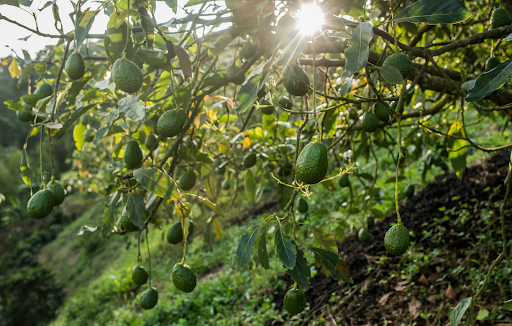
Growing your own fruit at home can be incredibly rewarding. Avocado trees are among the most sought-after options for home gardeners. Known for their creamy texture and nutritional value, avocados can thrive beautifully when given the right conditions. However, before planting one in your garden, it’s essential to understand the specific requirements and challenges involved. From soil conditions to climate and care routines, knowing what to expect will help you grow healthy and productive avocado trees.
Understanding Climate Requirements
Climate plays a crucial role in the success of avocado trees. Without suitable environmental conditions, growth and fruit production can be limited.
Ideal Temperature Range
Avocado trees thrive in warm climates, with optimal temperatures ranging between 15°C and 29°C. They are sensitive to frost, and extreme cold can damage or even kill young plants.
Sunlight Needs
These trees require plenty of sunlight to grow and produce fruit. At least 6 hours of direct sunlight daily is essential for healthy development.
Protection from Wind
Strong winds can damage branches and affect fruit production. Planting avocado trees in sheltered areas or using windbreaks can significantly improve their growth.
Choosing the Right Soil
Soil quality is one of the most important factors when growing avocado trees. Poor soil conditions can lead to root diseases and hinder growth.
Well-Draining Soil is Essential
Avocado trees are highly sensitive to waterlogged soil. They require well-draining soil to prevent root rot, a common issue that affects their health.
Ideal Soil Type and pH
The best soil for avocado trees is sandy or loamy with a pH range between 5 and 7. This ensures proper nutrient absorption and healthy root development.
Avoid Heavy Clay Soils
Clay soils tend to retain water, which can harm avocado roots. If your garden has heavy soil, consider raised beds or soil amendments to improve drainage.
Proper Planting Techniques
Planting your avocado trees correctly sets the foundation for long-term success.
Preparing the Planting Area
Dig a hole that is wider than the root ball and ensure the soil is loose and aerated. This allows roots to spread easily and establish themselves.
Spacing and Growth Considerations
Avocado trees can grow quite large, sometimes reaching up to 25 feet in height. Providing adequate space between trees ensures proper air circulation and prevents overcrowding.
Mulching for Better Growth
Adding mulch around the base helps retain moisture, regulate soil temperature, and improve soil quality over time.
Watering and Fertilization
Maintaining the right balance of water and nutrients is key to healthy avocado trees.
Watering Guidelines
Avocado trees require deep but infrequent watering. Allowing the soil to dry slightly between watering sessions helps prevent root rot and encourages strong root growth.
Fertilization Tips
While young trees may not need immediate fertilization, mature avocado trees benefit from balanced nutrients. Applying fertilizer during the growing season supports better fruit production.
Common Challenges and How to Overcome Them
Growing avocado trees comes with its own set of challenges, but understanding them can help you manage issues effectively.
Root Rot and Overwatering
One of the most common problems is root rot caused by poor drainage or excessive watering. Ensuring proper soil conditions and watering practices can prevent this issue.
Slow Growth and Delayed Fruiting
Avocado trees can take several years to produce fruit, especially when grown from seeds. Patience and consistent care are essential for success.
Conclusion
Growing avocado trees in your garden can be a fulfilling and long-term investment when approached with the right knowledge and care. By understanding their climate preferences, soil requirements, watering needs, and maintenance routines, you can create the ideal environment for healthy growth and fruit production. With patience and consistency, these trees can thrive and become a valuable part of your garden. Expanding your space with other fruit trees can further enhance both productivity and visual appeal, creating a balanced and rewarding gardening experience.