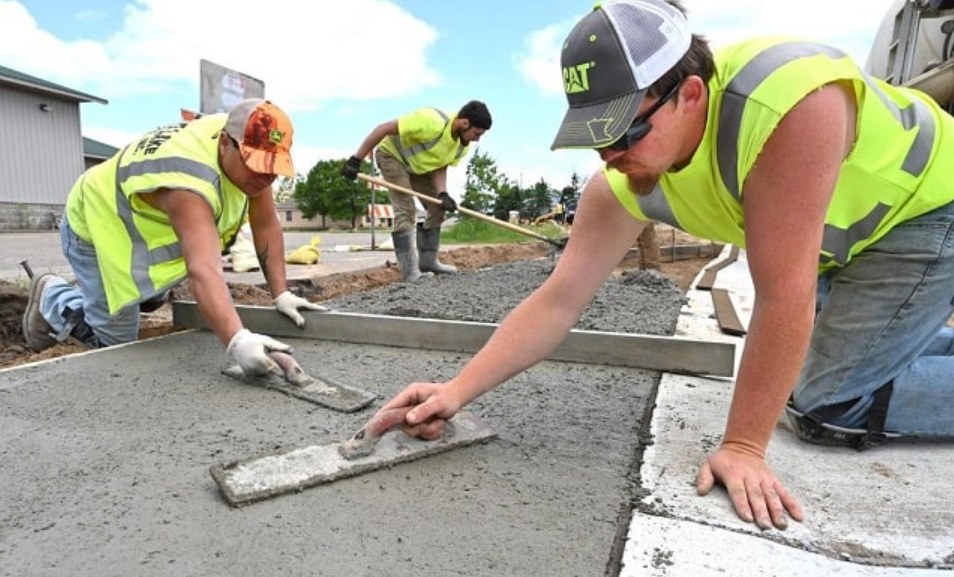
When it comes to enhancing your home’s curb appeal and functional outdoor space, few materials offer the durability and versatility of concrete. Whether you are looking to replace a cracked entrance or design a backyard oasis, understanding the nuances of installation and maintenance is essential. Working with a professional concrete contractor ensures that your project not only looks stunning but also stands the test of time against the elements. At Peak Precision Contracting, we believe that an informed homeowner is a confident one, which is why we’ve put together this comprehensive guide on everything you should know about concrete surfaces.
Why Choose Concrete for Your Home?
Concrete remains the gold standard for residential hardscaping for several reasons. Unlike asphalt, which can soften in extreme heat, or gravel, which requires constant replenishment, concrete provides a rigid, permanent surface.
- Longevity: A well-installed driveway can last 25 to 30 years or more.
- Low Maintenance: Beyond occasional cleaning and sealing, concrete requires very little upkeep.
- Customization: Modern techniques allow for a variety of finishes, from smooth troweled surfaces to intricate patterns.
- Property Value: High-quality concrete work significantly boosts the resale value of a property.
Concrete Driveways: The Foundation of Curb Appeal
Your driveway is often the first thing people notice about your home. It bears the weight of heavy vehicles and faces constant friction. What you should know about driveways is that the secret to their success lies beneath the surface.
Subgrade Preparation
The “subgrade” is the soil underneath the concrete. If the soil is not properly compacted or if there is organic debris left behind, the concrete will eventually sink or crack. Professional installers often add a layer of crushed stone (sub-base) to provide even support and improve drainage.
Thickness and Reinforcement
For standard passenger vehicles, a 4-inch thickness is common. However, if you plan on parking heavy trucks or RVs, increasing the thickness to 5 or 6 inches is a wise investment. Additionally, using rebar or wire mesh reinforcement helps the slab hold together under tension, preventing small cracks from becoming major structural issues.
Concrete Patios: Creating an Outdoor Living Space
The backyard has evolved into an extension of the indoor living room. A concrete patio provides a stable, level surface for outdoor kitchens, fire pits, and dining sets.
Stamped and Decorative Concrete
If you find standard gray concrete too industrial, decorative options are the answer. Stamped concrete can mimic the appearance of natural stone, brick, slate, or even wood planks. By using integral colors and release agents, a skilled concrete contractor can create a high-end look at a fraction of the cost of real stone.
Drainage Considerations
A patio must be “pitched” or sloped slightly away from your home’s foundation. A standard slope of 1/8 to 1/4 inch per foot ensures that rainwater runs off into the yard rather than pooling against your walls or basement.
Concrete Walkways: Safety and Connectivity
Walkways guide guests through your landscape and provide safe passage from the street to your door. They are the “veins” of your property’s exterior design.
Slip Resistance
Safety is paramount for walkways. While a smooth finish looks sleek, it can become dangerously slick when wet. Common finishes for paths include:
- Broom Finish: A texture created by pulling a specialized broom across the wet concrete.
- Exposed Aggregate: Removing the top layer of “cream” to reveal the decorative stones underneath.
- Salt Finish: Creating small pits in the surface for a rustic, slip-resistant texture.
The Technical Side: Joints and Curing
Many homeowners are surprised to learn that concrete is meant to crack. The goal of a professional installer is to control where those cracks happen.
Control Joints
These are the lines you see cut into concrete surfaces. They are essentially “planned” weak spots. When the concrete shrinks during the drying process or expands in the sun, it will crack at the bottom of these joints rather than spider-webbing across the middle of your beautiful new patio.
The Curing Process
Concrete doesn’t just “dry”; it undergoes a chemical reaction called hydration. For the first seven days, it is vital to keep the concrete at the right temperature and moisture level. Avoiding heavy traffic during the first week ensures the internal crystalline structure reaches its maximum strength.
Maintenance: Protecting Your Investment
While concrete is durable, it isn’t indestructible. Proper maintenance can add a decade to the life of your installation.
- Sealing: You should apply a high-quality penetrating or acrylic sealer every 2 to 3 years. This protects the surface from oil stains, UV damage, and “freeze-thaw” cycles where water enters pores, freezes, and causes the surface to flake (spalling).
- Cleaning: Power wash your concrete annually to remove mold, mildew, and dirt buildup.
- Chemical Caution: Avoid using harsh de-icing salts in the winter, especially during the first year of the concrete’s life. These chemicals can penetrate the surface and cause internal pressure that leads to scaling.
Choosing the Right Partner for the Job
A concrete project is a permanent addition to your home. Selecting a team that understands local soil conditions, climate challenges, and aesthetic trends is crucial. At Peak Precision Contracting, we specialize in delivering precision-engineered slabs that balance beauty with structural integrity.
When vetting a team, always ask about their experience with cement masonry, their process for site preparation, and whether they provide a warranty on their workmanship. Quality concrete work requires a blend of physical labor and scientific precision—don’t settle for less when it comes to the bones of your landscape.