
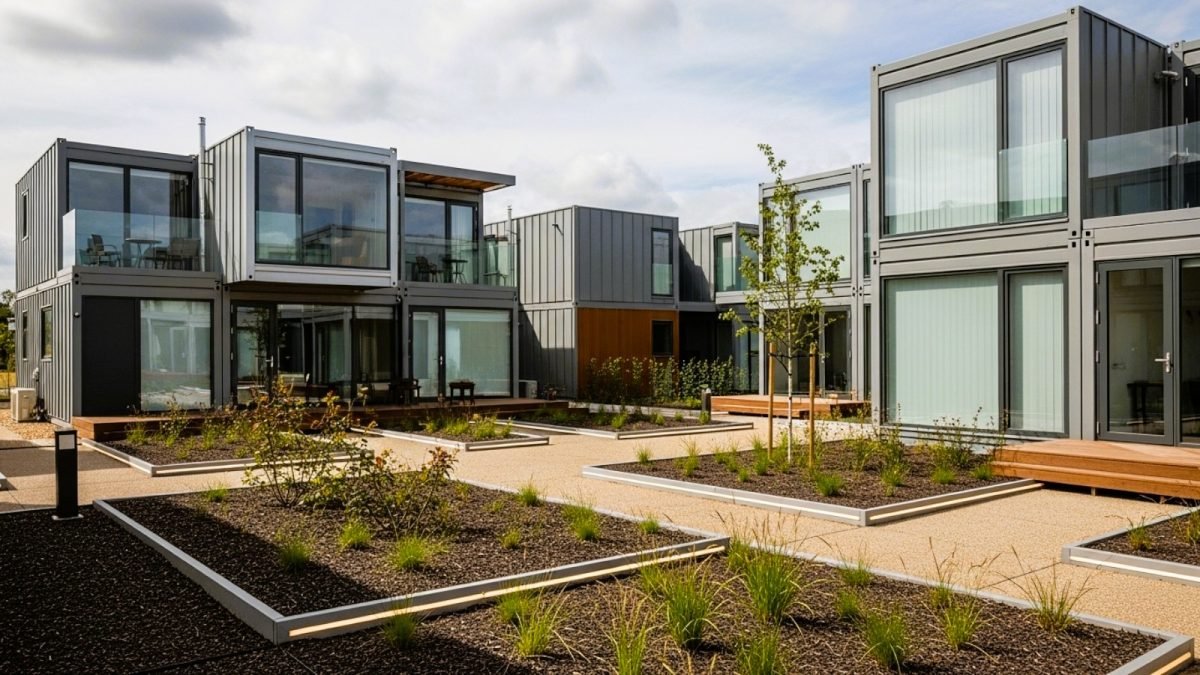
In recent years, the construction industry has undergone a major transformation, and one of the most significant trends shaping its future is the rise of modular housing solutions. As we move through 2026, these innovative building methods are gaining widespread popularity across residential, commercial, and industrial sectors. From affordability to sustainability, modular construction offers a wide range of benefits that make it an attractive choice for modern living.
What Are Modular Housing Solutions?
Modular housing solutions refer to homes or buildings constructed using pre-fabricated sections, also known as modules. These modules are manufactured in a controlled factory environment and then transported to the construction site for quick assembly. Unlike traditional construction, where everything is built on-site, modular housing streamlines the entire process, ensuring efficiency and precision.
Faster Construction Time
One of the biggest reasons behind the growing demand for modular housing solutions in 2026 is the speed of construction. Traditional building methods can take several months or even years to complete, depending on the complexity of the project. In contrast, modular homes can be built in a fraction of the time.
Since modules are manufactured simultaneously while site preparation is underway, the overall project timeline is significantly reduced. This faster turnaround is especially beneficial for developers, businesses, and homeowners looking for quick occupancy.
Cost-Effective Building Option
Affordability is another key factor driving the popularity of modular housing solutions. With rising material costs and labor shortages in the construction industry, traditional building methods have become increasingly expensive.
Modular construction helps reduce costs in several ways:
- Bulk purchasing of materials
- Reduced labor expenses
- Minimal construction waste
- Shorter project timelines
These savings make modular housing an ideal choice for budget-conscious buyers without compromising on quality or design.
Sustainable and Eco-Friendly
Sustainability is a major concern in 2026, and modular housing solutions align perfectly with green building practices. Since modules are produced in factories, waste is minimized, and materials are used more efficiently.
Additionally, modular homes are designed with energy efficiency in mind. Features such as better insulation, energy-efficient windows, and modern HVAC systems help reduce energy consumption. This not only lowers utility bills but also reduces the overall carbon footprint.
High-Quality Construction Standards
A common misconception about modular housing is that it lacks durability or quality. However, this is far from the truth. In fact, modular homes often meet or exceed the quality standards of traditional construction.
Because modules are built in controlled environments, they are protected from weather-related damage during construction. Advanced machinery and strict quality checks ensure consistency and precision in every unit. As a result, modular housing solutions offer long-lasting and reliable structures.
Design Flexibility and Customization
Modern modular housing solutions are highly versatile and customizable. Whether you are looking for a compact home, a luxury villa, or a multi-story building, modular construction can cater to a wide range of design preferences.
Homeowners can choose from various layouts, finishes, and architectural styles. Modules can also be expanded or modified in the future, making modular homes a flexible option for changing needs.
Ideal for Urban and Remote Areas
Another reason why modular housing solutions are gaining popularity is their adaptability to different locations. In urban areas where space is limited, modular construction allows for efficient use of available land.
Similarly, in remote or hard-to-reach areas, transporting pre-built modules is often easier than managing a full-scale construction project on-site. This makes modular housing a practical solution for diverse geographical conditions.
Reduced Environmental Impact
Compared to traditional construction methods, modular housing solutions have a significantly lower environmental impact. The factory-based approach reduces noise pollution, site disruption, and construction waste.
Additionally, fewer transportation trips and optimized material usage contribute to a more sustainable construction process. As governments and organizations continue to focus on eco-friendly development, modular housing is becoming a preferred choice.
Growing Demand Across Industries
The demand for modular housing solutions is not limited to residential projects. In 2026, industries such as healthcare, education, hospitality, and commercial real estate are increasingly adopting modular construction.
From modular offices and classrooms to temporary housing and emergency shelters, the applications are vast. This versatility is one of the key reasons behind the rapid growth of the modular construction market.
Conclusion
The rising popularity of modular housing solutions in 2026 is no coincidence. With benefits like faster construction, cost savings, sustainability, and design flexibility, modular homes are redefining the way we think about building spaces.
As technology continues to evolve and the demand for efficient housing increases, modular construction is set to play a crucial role in shaping the future of the construction industry. Whether you are a homeowner, developer, or investor, exploring modular housing solutions can be a smart and forward-thinking decision.