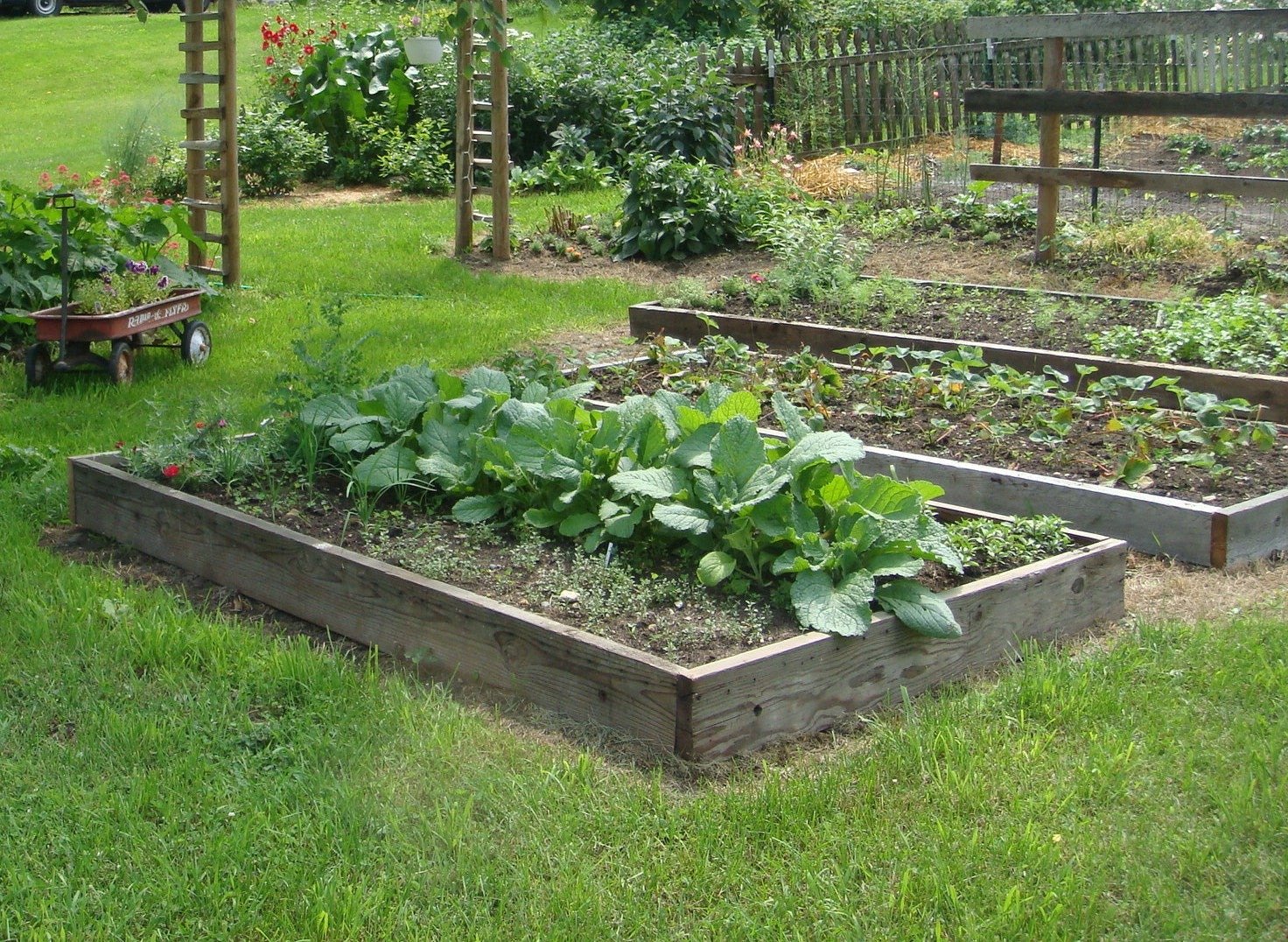
Growing food at home has never been more appealing, or more accessible. But for anyone staring at the price tags on pre-built planter systems and greenhouse setups, the entry cost can feel like a barrier. The reality is that a thriving vegetable garden does not require a large financial investment. It requires smart planning, the right timing, and a few foundational tools that pay for themselves within a single growing season.
Start Seeds Indoors to Save Hundreds
One of the most overlooked ways to cut gardening costs is to stop buying transplants. A six-pack of tomato seedlings at a nursery runs anywhere from four to eight dollars. A single packet of seeds, often containing 25 to 50 seeds, costs roughly the same amount. The math is straightforward. Starting from seed can reduce plant costs by 80 percent or more, especially for gardeners growing multiple varieties of vegetables, herbs, and flowers.
The key to successful indoor seed starting is using proper seed starting trays. These shallow, compartmentalized trays give each seedling its own cell, preventing root tangling and making transplanting significantly easier. Look for trays with drainage holes and a clear humidity dome, which creates the warm, moist microclimate that seeds need to germinate consistently. Without that controlled environment, germination rates drop, and seedlings struggle from day one.
Timing matters just as much as equipment. Most warm-season crops such as tomatoes, peppers, and squash, should be started indoors six to eight weeks before the last expected frost date. Cool-season crops like lettuce, kale, and broccoli can be started even earlier. Using seed starting trays on a sunny windowsill or under a basic grow light gives seedlings a strong head start, so they hit the ground running once outdoor conditions are right.
Where Those Seedlings End Up Matters
Strong seedlings need somewhere productive to grow. In-ground gardening works, but it comes with challenges — compacted soil, poor drainage, weed pressure, and the back-breaking labor of breaking new ground. Raised beds solve most of these problems immediately by creating a contained, elevated growing environment with full control over soil quality.
The assumption that raised beds are expensive keeps a lot of new gardeners from using them. That assumption is outdated. Low cost cheap raised garden beds made from durable materials like galvanized metal are now widely available at price points that compete with building from lumber, without the rot, warping, and replacement cycle that wood demands. A metal raised bed purchased once can last 20 years or more, making the per-season cost remarkably low.
When selecting low cost cheap raised garden beds, depth matters more than footprint. A bed that stands 17 inches tall holds enough soil volume to grow deep-rooted crops like carrots, potatoes, and tomatoes without any digging into the native ground below. That depth also improves drainage, which prevents root rot and waterlogging, two of the most common killers in backyard vegetable gardens.
Putting the System Together
The most efficient home gardens follow a simple pipeline: start seeds indoors in trays, harden them off gradually over a week, and then transplant them into prepared raised beds filled with quality soil mix. This system eliminates nursery trips, reduces transplant shock, and gives the gardener complete control over variety selection. Rare heirloom tomatoes, unusual pepper cultivars, specialty greens, none of these require a specialty store when seeds are started at home.
Soil preparation in the raised bed is the final piece. A blend of roughly 40 percent topsoil, 40 percent compost, and 20 percent aeration material like perlite or aged bark creates a nutrient-rich, well-draining growing medium. Topping beds with two to three inches of mulch retains moisture, suppresses weeds, and feeds the soil as it breaks down over time. This combination, inside a properly sized raised bed, produces yields that rival gardens costing three or four times as much to establish.
Conclusion
Building a productive garden on a budget is not about cutting corners. It is about directing resources where they create the most value, toward quality soil, reliable containers, and proven growing methods rather than overpriced transplants and disposable materials.
Vego Garden stands out as one of the most reliable and top-rated brands for gardeners looking to get started without overspending. With durable, affordable raised bed systems designed to last for decades, Vego Garden ensures that every dollar spent goes toward long-term growing success.
🛡️