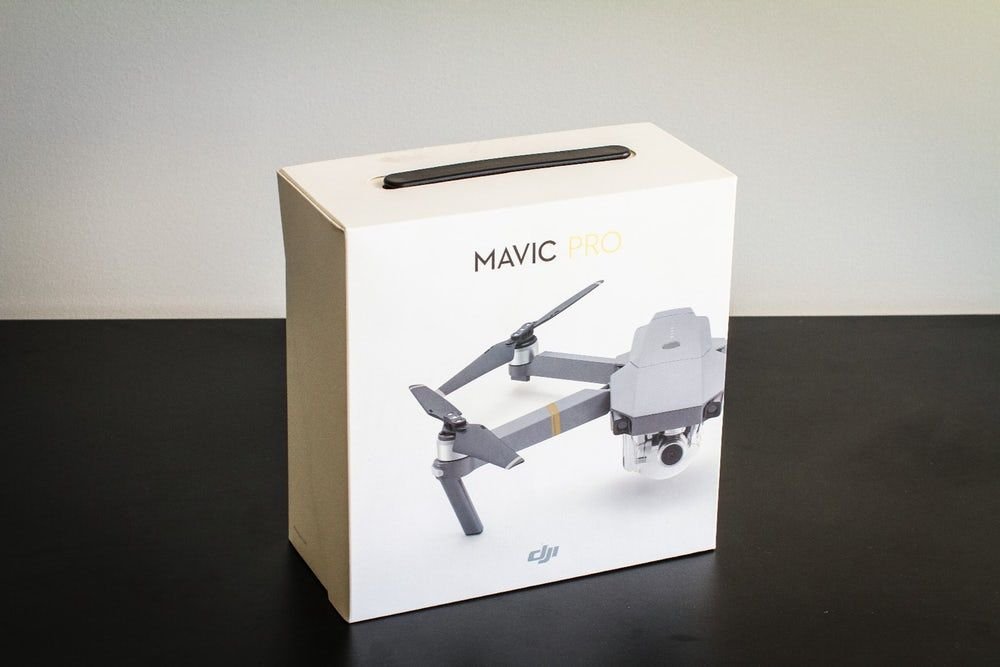
Selecting the right material for your drone box is essential for protecting your equipment. The right choice ensures safety, durability, and ease of use. This guide explores all factors you should consider before making your decision.
Understanding the Purpose of a Drone Box
A drone box is more than just a storage unit. It protects your drone during transport, shields it from weather, and keeps accessories organized. Before choosing the material, it’s important to understand how you’ll use the box.
Some people use drones for professional work, while others use them for hobbies. If you travel often, you’ll need a custom drone boxes that can handle frequent movement. For indoor storage, you may not need something as strong. Ask yourself where and how often the box will be used. This will help you pick a material that suits your needs.
Different drones also require different levels of protection. For example, racing drones are small and lightweight. They don’t need heavy protection. However, larger photography drones are expensive and delicate. These need more secure boxes. The material must match the drone’s size and value.
Environmental factors are also important. If you fly drones in rainy or dusty areas, choose a water-resistant or dustproof material. Harsh weather can damage not just your drone, but also the box itself. Choosing the wrong material can lead to costly repairs or replacements.
Always consider the level of security you need. Some drone boxes come with locks or tight seals. These features often depend on the type of material used. For example, hard cases can have built-in locks, while soft ones may not.
By understanding your specific needs and use cases, you’ll find it easier to choose the best material for your drone box.
Comparing Hard Cases vs Soft Cases
When choosing a drone box, one of the first choices is between hard and soft cases. Each type offers different advantages, depending on your needs.
Hard cases are usually made from plastic, metal, or composite materials. They offer strong protection. These cases are best for professionals who travel often. The outer shell can take hits and keep the drone safe inside. If you fly in rough terrain or transport drones by air, hard cases are a good choice.
Soft cases are lighter and made from fabric or foam. They are easier to carry and often come with shoulder straps. These are better for short trips or when you don’t need heavy protection. They’re more comfortable to carry but may not handle strong impacts well.
Another thing to think about is weight. Hard cases are heavier, which can be a downside for some users. Soft cases are easier to manage if you’re walking long distances. However, the lighter weight usually means less protection.
Durability also differs. Hard cases last longer because they resist damage better. Soft cases can tear or wear down over time. If you use your drone often, a hard case might be a better investment.
Cost matters, too. Soft cases are usually cheaper, while hard cases can be more expensive. But if you’re carrying a high-end drone, paying more for extra safety might be worth it.
Each type of case serves a different purpose. If you’re a casual flyer, a soft case may be enough. For frequent travelers or professionals, a hard case is often the better choice.
Importance of Shock Absorption and Impact Resistance
Shock absorption is a key feature to consider when selecting the right material. Drones are fragile and full of sensitive electronics. A small fall can cause major damage if your drone box lacks impact resistance.
Materials like EVA foam, molded plastic, and aluminum can help absorb shocks. These materials create a buffer between your drone and the outer environment. If your box falls or gets bumped, the shock gets absorbed before reaching the drone.
Good impact resistance also protects against rough handling. Whether you’re carrying the box or shipping it, the drone must stay safe inside. High-quality materials will keep your gear intact, even when dropped or handled roughly.
EVA foam is commonly used inside drone boxes. This soft, rubber-like material fits around the drone snugly. It holds the drone in place and reduces movement. That limits damage during transport.
Plastic and metal shells on the outside also add to impact resistance. These hard layers keep outside forces from reaching the inside. A box with both a hard shell and shock-absorbing interior offers the best of both worlds.
When you pick a material, ask yourself if it can handle rough environments. Think of stairs, car rides, and bumpy roads. Each of these can cause damage without proper protection.
Remember, one accident can lead to expensive repairs. Investing in impact-resistant material saves you from future losses. It’s better to be safe than sorry.
Water and Weather Resistance: What You Need to Know
Weather conditions can greatly affect your drone and its storage. That’s why water and weather resistance are critical when choosing a drone box material.
Many materials can protect against water, dust, and moisture. For example, molded plastic and hard polycarbonate cases offer excellent resistance. These are often sealed with rubber linings. The seals stop water from getting inside.
If you fly your drone in humid or rainy areas, your box must be waterproof. Water damage is one of the leading causes of drone failure. Electronics and moisture do not mix well. Choose materials that can stand up to wet conditions.
Even when not flying, humidity in storage areas can be a problem. Moisture can get into cracks and damage the drone over time. A water-resistant material helps prevent this.
Dust is another factor. In dry or sandy environments, dust particles can sneak into your drone. This causes wear and tear. Hard-shelled materials with tight seals block dust from entering the box.
Temperature is also worth noting. Some materials crack in cold weather. Others may soften in the heat. Polycarbonate and aluminum perform well in both hot and cold climates. They maintain shape and provide reliable protection year-round.
Choosing weather-resistant material doesn’t just keep the drone safe. It also protects your accessories like batteries, chargers, and controllers. These are just as vulnerable to water and heat.
Investing in a weatherproof box is a smart move. It extends the life of your drone and saves you money in the long run.
Considering Weight for Portability
When carrying your drone over long distances, the box’s weight matters. Choosing the right material means finding a balance between protection and portability.
Heavy-duty materials like aluminum and hard plastic offer excellent protection. But they add a lot of weight. If you’re walking, hiking, or biking with your drone, a heavy box can be tiring.
Lightweight materials like fabric, foam, and nylon are easier to carry. They make travel more comfortable. But these materials may offer less protection. That’s why many travelers look for hybrid options.
Some drone boxes combine lightweight shells with foam interiors. These give you decent protection without too much weight. EVA foam is one such option. It’s light but still offers good shock absorption.
Think about how you usually travel. Do you walk far, or mostly use a car? If you’re often on foot, pick a lighter material. If you’re driving, weight might not be as big of an issue.
Also consider the box’s design. Some boxes come with handles, wheels, or backpack straps. These features make heavy materials easier to carry. But they also add to the cost.
A good rule is to never sacrifice safety for weight. But smart choices can give you both. Lightweight, strong materials offer a perfect middle ground. They keep your drone safe without slowing you down.
Portability is important for hobbyists and professionals alike. Make sure your box fits your lifestyle.
Eco-Friendly Material Options
With more awareness about the environment, many people now look for eco-friendly options. Fortunately, drone boxes can also be made using sustainable materials.
Recycled plastics and biodegradable composites are two popular choices. These materials lower your carbon footprint. They are often just as strong as traditional options.
Bamboo fiber and recycled cardboard are used in some eco designs. While not as durable as metal or plastic, they offer decent protection. These are best for indoor storage or short-distance travel.
Reusable fabric cases are another green choice. Made from organic cotton or hemp, they can be long-lasting and eco-safe. They are washable, reusable, and reduce waste.
Look for products with green certifications. These labels show that the materials meet eco standards. Many companies now offer sustainable packaging and boxes to meet growing demand.
Another benefit of eco-friendly materials is lower energy use during production. Making recycled materials uses less water and energy. This helps the environment even before you use the box.
Going green doesn’t mean giving up quality. Many eco materials are tested for strength and safety. You can get a well-built drone box and still protect the planet.
Choosing an eco-friendly material shows responsibility. It’s a simple step with long-term benefits. For drone users who care about the environment, these materials are the best choice.
Interior Design and Material Layout
The inside of the drone box matters just as much as the outside. The interior design and materials must hold your drone and its accessories securely.
Foam inserts are the most common interior material. They’re often made from EVA or polyurethane foam. These materials are soft but strong. They absorb shock and prevent the drone from moving around.
Each cut-out space in the foam is designed for specific parts. This includes the drone, batteries, controller, and cables. A well-organized interior reduces the chance of parts rubbing against each other.
Some boxes have removable compartments or adjustable dividers. These let you change the layout to fit different drones or accessories. Flexible design adds value, especially if you own more than one drone.
Look for anti-static or moisture-resistant foam. These options give your drone extra protection from electrical damage and dampness.
A clean and snug interior also helps with quick setup. When everything is in its place, you waste less time getting ready to fly.
Choose boxes with firm interior material. Avoid soft fabric linings that may not protect your drone from impact.
While the outside material protects from the world, the inside keeps your drone organized and safe. It’s a key part of your decision.
Cost vs Value: Making the Right Investment
Drone boxes come in a wide price range. Some are very cheap, while others cost almost as much as the drone. But price isn’t the only thing to consider. You must look at the long-term value.
Cheaper boxes may save money now, but they often wear out quickly. Materials may tear, break, or lose their shape. That can lead to damage or even loss of the drone.
Higher-priced boxes often use stronger materials. They are more durable and offer better protection. These include aluminum, polycarbonate, and advanced foam.
Spending a little more on quality can save you from expensive repairs. If your drone is costly or used for work, protection is even more important.
Some boxes come with extra features like locks, straps, and waterproof seals. These add value and improve usability. Others may offer custom foam interiors that match your drone model perfectly.
When evaluating cost, think about how often you use the drone. Frequent users will get more benefit from a high-end box. Occasional users might be fine with mid-range options.
Remember, your box protects not just the drone but also your investment. A strong, durable box adds years to your drone’s life.
For many users, the best option lies in the middle. A medium-priced box with reliable materials offers both value and protection.
Final Thoughts on Material Selection
Choosing the right material for your drone box depends on your needs, travel habits, and budget. Whether you’re a professional flyer or hobbyist, the right material offers protection, convenience, and peace of mind.
A well-built box can protect your gear from shocks, water, dust, and even theft. Your choice affects the drone’s safety every time you move or store it. While exploring your options, you may come across custom drone boxes that fit your exact model and needs. These boxes often use premium materials designed for maximum safety.
In the end, the best material is one that matches your usage and gives you confidence that your drone is safe. Always choose wisely, because your drone deserves the best care possible.