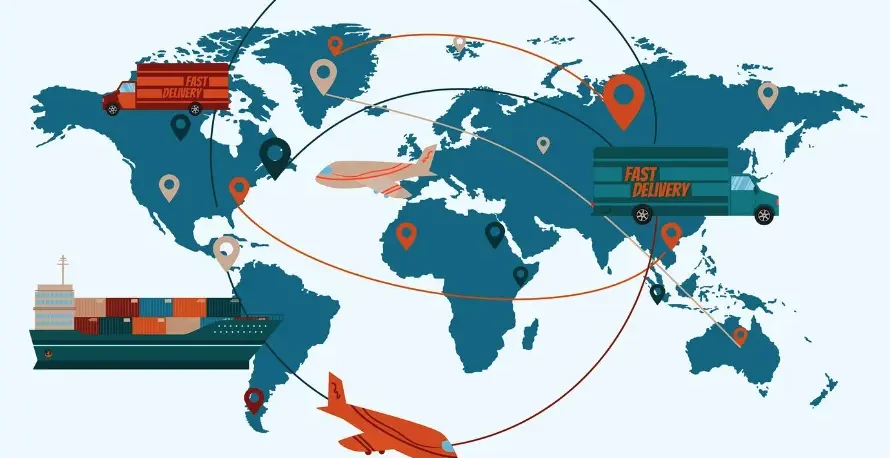
In today’s interconnected economy, small businesses often find themselves competing with multinational giants that have seemingly endless resources. While the global supply chain can feel intimidating, small enterprises have unique advantages—agility, local expertise, and personalized customer service—that can give them an edge. With the right strategies, small businesses can not only participate in global supply chains but thrive in them.
This blog explores practical steps that small businesses can take to strengthen their supply chain presence, expand market reach, and build resilience in an unpredictable world.
Understanding the Global Supply Chain Landscape
The global supply chain isn’t just about moving goods from one country to another. It’s a vast network of producers, suppliers, logistics providers, and retailers working together to bring products to market. For small businesses, breaking into this network can feel like cracking a secret code.
Yet, the truth is that the global supply chain thrives on diversity. Retailers and wholesalers actively seek unique, high-quality, and ethically sourced products that stand out from mass-produced goods. This creates a huge opportunity for small players who can offer innovation, authenticity, and flexibility.
Leveraging Agility as a Competitive Advantage
Large corporations often move slowly due to bureaucracy and scale. Small businesses, on the other hand, can pivot quickly. For example, a small food manufacturer can experiment with new flavors or sustainable packaging far more rapidly than a global brand.
Agility allows small businesses to respond faster to shifts in consumer demand, supply chain disruptions, and emerging trends. By focusing on speed and adaptability, small enterprises can carve out niches that bigger competitors struggle to serve efficiently.
Building Strong Supplier Relationships
Trust and collaboration are the lifeblood of supply chain success. Small businesses should invest time in building long-term relationships with reliable suppliers. Negotiating fair contracts, communicating openly, and supporting partners during tough times create mutual loyalty.
Such relationships also open doors to better pricing, priority access to raw materials, and opportunities for co-development of new products. For instance, collaborating with a packaging supplier to design eco-friendly boxes could set a brand apart in international markets.
Embracing Technology and Digital Tools
Technology is no longer optional in the supply chain. Even small businesses can harness affordable tools to track shipments, manage inventory, and forecast demand. Cloud-based supply chain management platforms level the playing field, offering insights once reserved for large corporations.
Moreover, e-commerce platforms and online marketplaces provide small businesses with direct access to international buyers. With smart use of digital marketing and logistics integrations, a small enterprise can sell globally without needing massive infrastructure.
Tapping into Trade Shows and Expos
Industry expos are goldmines for small businesses looking to compete globally. They provide opportunities to showcase products, meet potential buyers, and stay ahead of trends. For example, businesses in the cosmetics and wellness sector can gain international exposure by participating in events like the dubai beauty expo 2025.
Such platforms don’t just generate sales leads—they also offer invaluable insights into competitor strategies, consumer preferences, and emerging supply chain technologies. Even attending as a visitor can help small business owners understand how to position themselves in global markets.
Sustainability as a Differentiator
Consumers worldwide are increasingly conscious of the environmental and social impact of their purchases. Small businesses can leverage this by embedding sustainability into their supply chain practices.
This could mean sourcing organic ingredients, adopting fair-trade principles, reducing packaging waste, or partnering with eco-friendly logistics providers. By making sustainability a core value, small enterprises can attract environmentally conscious buyers and stand out in global trade.
Navigating Regulations and Compliance
One challenge small businesses face in global supply chains is dealing with regulations. From customs documentation to product safety certifications, the requirements can feel overwhelming.
The key is to stay informed and proactive. Partnering with trade consultants, freight forwarders, or local chambers of commerce can help navigate these complexities. Compliance not only avoids costly delays but also builds trust with international buyers who value transparency and reliability.
Networking Through Food & Beverage Platforms
Just as beauty brands benefit from expos, small companies in the culinary sector can showcase their innovations through events like the food & beverages expo dubai. These platforms allow small businesses to connect with international distributors, chefs, and retailers eager for unique offerings.
Participation in such expos also helps small businesses gather feedback directly from global audiences. It’s a chance to test new recipes, packaging, or branding strategies before making major investments in global expansion.
Developing a Strong Brand Identity
In a crowded marketplace, branding is often the deciding factor for buyers. A strong identity communicates trust, quality, and values. For small businesses, storytelling is a powerful tool. Sharing the origins of your product, the people behind it, or the impact it has on communities can resonate deeply with international audiences.
Visual consistency—logos, colors, and packaging—combined with clear messaging helps small businesses build recognition in the global supply chain.
Building Resilience Against Disruptions
Global supply chains face constant risks: natural disasters, political instability, pandemics, or shipping delays. Small businesses must prepare for the unexpected by diversifying suppliers, holding safety stock, and exploring local sourcing options when feasible.
Flexibility in logistics partners and the ability to reroute supply chains quickly can minimize disruptions. Building resilience not only reduces risk but also boosts credibility with global buyers who value dependable partners.
Leveraging Government Support and Trade Programs
Many governments provide grants, tax incentives, and export assistance programs specifically for small businesses. Tapping into these resources can reduce costs, ease compliance, and create new opportunities for global trade.
Organizations such as export councils or trade development agencies often organize buyer-seller meetings, training sessions, and promotional campaigns. Small businesses should take advantage of these to strengthen their supply chain competitiveness.
Conclusion: Small but Mighty
Competing in the global supply chain doesn’t require massive resources—it requires strategy, creativity, and resilience. Small businesses that embrace agility, technology, sustainability, and strong partnerships can successfully challenge bigger players.
By leveraging expos, digital tools, and trade networks, small enterprises can position themselves as valuable contributors to global commerce. Ultimately, the global supply chain isn’t just about size—it’s about value. And small businesses, with their innovation and authenticity, have plenty of that to offer.