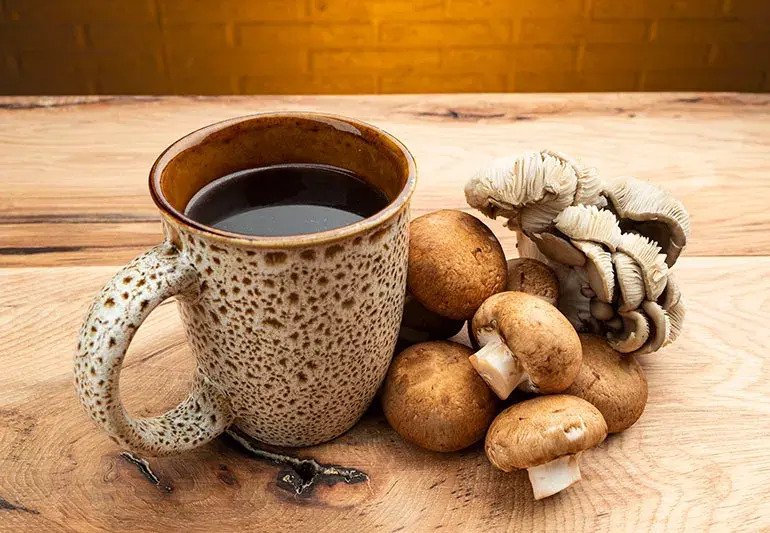
The beverage industry is experiencing a quiet revolution. Walk through any health food store or trendy café, and you’ll notice an emerging category that would have seemed impossible just a decade ago: functional mushroom drinks. These aren’t psychedelic concoctions or exotic potions, but carefully crafted beverages that blend centuries-old medicinal mushroom wisdom with modern extraction technology and flavor profiles designed for today’s health-conscious consumer.
What Are Functional Mushroom Drinks?
Functional mushroom drinks are beverages infused with extracts from medicinal mushrooms like lion’s mane, reishi, chaga, cordyceps, and turkey tail. Unlike culinary mushrooms, these species have been prized for millennia in traditional medicine systems for their potential health benefits rather than their taste. The term “functional” indicates that these drinks serve a purpose beyond basic hydration or pleasure – they’re designed to support specific aspects of wellness.
These beverages come in various forms: ready-to-drink bottles, powdered mixes, coffee blends, teas, kombuchas, and even sparkling waters. Each format offers different advantages in terms of convenience, potency, and integration into daily routines.
The Science Behind Functional Mushroom Beverages
The power of functional mushroom drinks lies in their bioactive compounds. Each mushroom species contributes unique molecules that interact with human physiology in different ways:
- Beta-glucans found in most medicinal mushrooms may support immune system function by activating various immune cells. These complex polysaccharides are water-soluble, making them ideal for beverage applications.
- Triterpenes in reishi contribute to its adaptogenic properties, potentially helping the body manage stress and promoting relaxation. These compounds are traditionally extracted using alcohol, but can be incorporated into water-based beverages through specialized processing.
- Hericenones and erinacines from lion’s mane may support cognitive function and nerve health. These unique compounds have shown promise in preliminary research for supporting memory and focus.
- Cordycepin from cordyceps mushrooms may support energy production at the cellular level, making cordyceps-infused drinks popular among athletes and active individuals.
Popular Types of Functional Mushroom Drinks
- Mushroom Coffee: Perhaps the most mainstream entry point, mushroom coffee blends traditional coffee with extracts from lion’s mane, chaga, or cordyceps. The earthy mushroom flavors complement coffee’s natural notes while potentially reducing jitters and providing sustained energy.
- Adaptogenic Elixirs: These concentrated drinks often combine multiple mushroom extracts with herbs like ashwagandha or rhodiola. They’re typically consumed in small amounts (1-2 ounces) and focus on stress management and overall vitality.
- Sparkling Mushroom Waters: A newer category that makes functional mushrooms accessible to those avoiding caffeine or seeking lighter refreshment. These often feature subtle fruit flavors to mask any earthiness from mushroom extracts.
- Mushroom Kombuchas: The fermentation process in kombucha may enhance the bioavailability of mushroom compounds while adding probiotics for gut health support.
- Hot Mushroom Lattes: These café-style drinks blend mushroom powders with plant-based milks, often including complementary ingredients like turmeric, cinnamon, or vanilla for enhanced flavor and additional benefits.
The Manufacturing Challenge
Creating palatable functional mushroom drinks requires sophisticated extraction and flavoring techniques. Raw medicinal mushrooms are often bitter, woody, or have strong, earthy flavors that most consumers find unpalatable. Manufacturers employ various strategies:
- Dual extraction methods capture both water-soluble and alcohol-soluble compounds, then concentrate them into standardized extracts that can be precisely dosed in beverages.
- Flavor masking using natural ingredients like cacao, vanilla, or fruit extracts helps create appealing taste profiles while maintaining the integrity of mushroom compounds.
- Microencapsulation protects sensitive compounds from degradation while preventing unwanted flavors from dominating the beverage.
Market Growth and Consumer Trends
The functional mushroom drink market has exploded in recent years, driven by several converging trends. Consumer interest in preventive health measures, natural alternatives to pharmaceuticals, and products that support mental clarity and stress management has created perfect conditions for this category’s growth.
Millennials and Gen Z consumers, in particular, are drawn to products that offer both wellness benefits and Instagram-worthy aesthetics. The exotic nature of medicinal mushrooms, combined with their ancient pedigree and modern scientific backing, appeals to consumers seeking authenticity and efficacy.
Professional athletes and biohackers have also embraced functional mushroom drinks, viewing them as natural performance enhancers that align with clean eating philosophies.
Quality Considerations and What to Look For
Not all functional mushroom drinks are created equal. Quality varies significantly across brands, making informed selection crucial:
- Extraction ratios indicate concentration levels. A 10:1 extract means ten pounds of raw mushrooms were used to create one pound of extract powder, suggesting higher potency.
- Third-party testing ensures products are free from heavy metals, pesticides, and contaminants while verifying the presence and concentration of active compounds.
- Organic certification indicates mushrooms were grown without synthetic pesticides or fertilizers, important since mushrooms can concentrate environmental toxins.
- Transparent labeling should clearly state mushroom species, extraction methods, and standardized compound levels rather than hiding behind proprietary blends.
Integration Into Daily Life
Functional mushroom drinks work best when integrated consistently into daily routines. Many users find success starting with milder options like mushroom coffee or flavored lattes before progressing to more concentrated elixirs.
Timing can be important: lion’s mane drinks are often consumed in the morning for cognitive support, while reishi-based beverages are preferred in the evening for their calming properties. Cordyceps drinks are popular pre-workout, while immune-supporting blends might be used during seasonal transitions.
The Future of Functional Beverages
As research continues to validate traditional uses of medicinal mushrooms and identify new applications, the functional mushroom drink category will likely expand further. Expect to see more targeted formulations for specific health goals, improved flavor profiles, and integration with other functional ingredients like nootropics, adaptogens, and probiotics.
Functional mushroom drinks represent more than just a health trend – they embody a fundamental shift toward preventive wellness and the integration of ancient wisdom with modern convenience. As consumers increasingly view food and beverages as medicine, these fungal-infused drinks offer a compelling bridge between tradition and innovation, making the profound benefits of medicinal mushrooms accessible to anyone willing to sip their way to better health.