
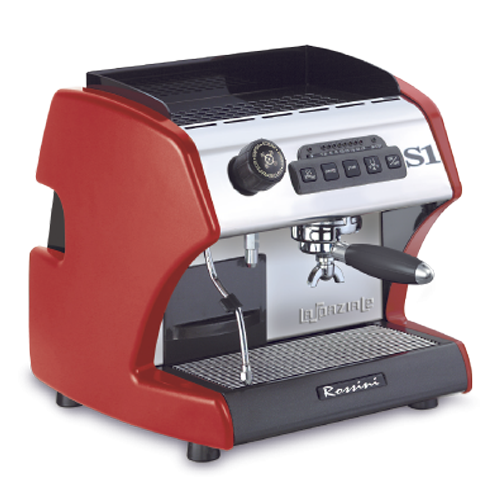
Brewing the perfect espresso is an art that combines precision, skill, and the right equipment. Among the many factors that influence the flavor, temperature control plays a critical role in determining the taste, aroma, and overall quality of your coffee. Whether you are a home enthusiast or a seasoned barista, understanding how temperature impacts extraction can help you achieve a consistent and satisfying espresso every time. Using a high-quality espresso coffee machine is essential, as it allows precise control over brewing parameters, including temperature.
Understanding Espresso Extraction
Espresso is made by forcing hot water under pressure through finely-ground coffee. The extraction process involves dissolving soluble compounds from the coffee grounds into water. These compounds contribute to the espresso’s flavor, body, and aroma. Temperature directly influences which compounds are extracted and how balanced the final cup will be.
Water that is too hot can over-extract the coffee, drawing out bitter flavors and masking subtle notes. Conversely, water that is too cool may under-extract, resulting in a weak, sour, or flat-tasting espresso. Therefore, maintaining the correct brewing temperature is crucial for achieving the ideal balance of flavors.
The Role of Temperature in Espresso Flavor
- Optimal Brewing Range
The ideal brewing temperature for espresso generally ranges between 90°C to 96°C (194°F to 205°F). Within this range, the water can extract the coffee’s oils, sugars, and acids properly. Minor variations in temperature can significantly impact flavor, emphasizing different tasting notes. - Consistency Matters
Consistent temperature throughout the brewing process ensures that every shot tastes the same. Fluctuations in temperature can result in uneven extraction, where some portions of the coffee are over-extracted and others under-extracted. This inconsistency can make espresso taste harsh or unbalanced. - Enhancing Aromatics and Acidity
Temperature also influences the aroma and acidity of espresso. Slightly lower temperatures can highlight bright, fruity, or floral notes, while higher temperatures can enhance body and sweetness. By adjusting temperature, baristas and coffee enthusiasts can tailor espresso to their preferred taste profile.
Temperature Control Methods in Espresso Machines
Modern espresso coffee machines come equipped with advanced temperature control features. Here are some common methods:
- PID Controllers
Proportional-Integral-Derivative (PID) controllers maintain precise water temperature during brewing. By minimizing temperature fluctuations, PID-controlled machines ensure consistent flavor extraction and repeatable results. - Thermoblocks and Boilers
Different machines use thermoblocks or boilers to heat water. Thermoblocks heat water quickly on demand, while boilers maintain a reservoir of hot water at a consistent temperature. Both systems require calibration for optimal results. - Pre-Infusion and Temperature Profiling
Some machines allow for temperature profiling during different stages of extraction. Pre-infusion at slightly lower temperatures gently wets the coffee grounds, leading to a more even extraction and enhanced flavor complexity.
Common Temperature-Related Issues
Even with advanced espresso machines, temperature can be a source of brewing problems:
- Over-Extraction and Bitterness
High water temperature can extract excessive tannins and bitter compounds from coffee grounds, resulting in a sharp, astringent taste. - Under-Extraction and Sourness
Low water temperature may fail to dissolve essential sugars and oils, leading to sour, thin, or underdeveloped espresso. - Temperature Stability in Multi-Drink Settings
In commercial settings or during multiple shots, machines may experience heat loss or fluctuations. Ensuring proper maintenance and calibration is key to delivering consistent espresso flavor.
The Connection Between Temperature and Grind Size
Temperature does not work in isolation; it is closely linked with grind size and pressure. Finer grinds increase resistance to water flow, which can influence extraction time and the impact of temperature. Coarser grinds require slightly higher temperatures to achieve full extraction. Understanding the interplay between grind size and temperature allows for precise adjustments and consistent results.
Tips for Optimizing Temperature
- Invest in a Quality Espresso Machine
Machines with accurate temperature control and stable boilers provide the best foundation for perfect espresso. - Monitor Water Temperature
Regularly check and calibrate your machine to maintain the desired brewing range. Consistency is critical for replicable flavor. - Adjust Based on Coffee Beans
Different coffee beans may require slight adjustments to temperature to highlight their unique flavor profiles. Single-origin beans often benefit from slightly lower temperatures, while blends may perform well at standard ranges. - Experiment and Taste
Temperature adjustment is both a science and an art. Tasting each shot and adjusting incrementally allows you to find the ideal balance for your preferred espresso flavor.
Final Thought: Mastering Your Espresso Experience
Temperature control is a fundamental factor in brewing high-quality espresso. From highlighting aromatic notes to balancing acidity and sweetness, proper temperature management ensures each shot delivers a rich and satisfying flavor. By investing in a reliable espresso coffee machine and understanding the interaction between temperature and extraction, you can elevate your home or café coffee experience.
For enthusiasts seeking to perfect every aspect of their brewing process, pairing precise temperature control with a quality espresso grinder ensures consistency, freshness, and maximum flavor potential in every cup. Mastering these elements is the key to crafting the perfect espresso, one shot at a time.


