
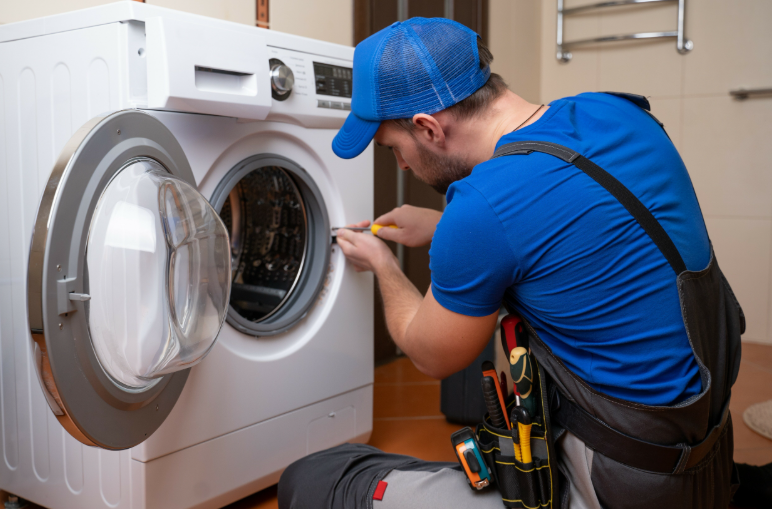
A malfunctioning dryer can be incredibly frustrating, especially when you’re faced with a pile of wet clothes and no quick way to dry them. Before calling for dryer repair services in Broward County FL, it’s helpful to understand some of the common reasons your dryer might not start and what you can do to troubleshoot the issue. With a few careful checks and basic tools, you may be able to identify — and sometimes even fix — the problem yourself.
Understanding How a Dryer Works
To effectively troubleshoot your dryer, it helps to know the basics of how it functions. A standard dryer has a few critical components:
- Power source (electric or gas)
- Control panel or timer to start cycles
- Door switch that ensures the dryer only runs when closed
- Thermal fuse to prevent overheating
- Motor and belt system to turn the drum
When any one of these components malfunctions, your dryer may fail to start or respond at all.
Step 1: Check the Power Supply
One of the simplest and most overlooked causes of a dryer not starting is a lack of power. Start with these steps:
Inspect the Power Cord
Make sure the power cord is securely plugged into the outlet. Over time, cords can loosen or get damaged. If you see frayed wires or burn marks, unplug it immediately and replace the cord.
Test the Outlet
Try plugging another appliance, like a lamp, into the same outlet. If it doesn’t work, check your home’s circuit breaker panel. Dryers require a dedicated 240-volt circuit for electric models or a 120-volt outlet for gas models. Reset any tripped breakers or replace blown fuses.
Step 2: Examine the Door Switch
The door switch is a small safety feature that prevents the dryer from operating when the door is open. If this switch is faulty, the dryer won’t start.
- Open and close the door — listen for a clicking sound.
- If there’s no click, the switch may be broken or stuck.
- You can test it using a multimeter to check for continuity.
Replacing a faulty door switch is usually inexpensive and can often be done without professional help.
Step 3: Look at the Start Switch or Timer
If your dryer doesn’t start even after confirming the door switch works, the problem may be with the start switch or control timer.
- For dryers with a push-to-start button, use a multimeter to check whether the switch sends power when pressed.
- For models with a timer dial, try setting it to different cycles — if the dryer still doesn’t respond, the timer mechanism might be defective.
These electrical components are best replaced by a qualified technician, as they involve wiring that can be risky to handle without experience.
Step 4: Test the Thermal Fuse
A blown thermal fuse is another frequent culprit. This small safety device prevents your dryer from overheating by cutting power if the temperature rises too high.
- Unplug the dryer and locate the thermal fuse, usually found on the blower housing or exhaust duct.
- Remove it and test it for continuity using a multimeter.
- If it shows no continuity, replace the fuse.
Keep in mind that a blown fuse often indicates poor airflow — typically caused by lint buildup in the vent or filter — so you should also clean the entire vent system before replacing the fuse.
Step 5: Inspect the Drive Motor
If your dryer hums but doesn’t start, the drive motor could be jammed or burned out.
- Check for obstructions around the motor or belt.
- Try rotating the drum manually; if it turns freely, but the dryer won’t start, the motor might be defective.
Motor replacement is complex and should be handled by a professional technician, especially if you suspect internal electrical failure.
Step 6: Assess the Thermal Cutoff and Cycling Thermostat
Modern dryers have multiple safety features to regulate temperature. Two key parts are the thermal cutoff and cycling thermostat.
- If either of these components fails, it can prevent your dryer from starting or cause it to overheat.
- Test them for continuity after disconnecting the power.
- Replacement requires careful disassembly, so professional service is recommended.
Step 7: Check the Belt Switch
Some dryers include a belt switch that stops the motor when the drive belt breaks. If your dryer makes a humming noise but doesn’t spin, a broken belt or faulty belt switch could be the issue.
- Unplug the dryer and remove the top or front panel.
- Examine the belt for wear or damage.
- Replace any broken parts before reassembling the unit.
Step 8: Examine the Control Board
If none of the mechanical parts seem to be the issue, the electronic control board might be to blame. These boards manage all the functions of your dryer and can fail due to electrical surges or wear over time.
A malfunctioning control board may show no visible damage, though burnt marks or a burnt smell can be a giveaway. Control board replacement typically requires specialized knowledge and should be handled by experienced technicians.
Preventive Maintenance Tips
To avoid future dryer issues, follow these maintenance steps:
- Clean the lint filter after every load.
- Inspect and clean the dryer vent every six months to prevent overheating and improve efficiency.
- Avoid overloading the dryer, which strains the motor and belt.
- Check for proper airflow around the appliance to maintain optimal temperature.
Regular maintenance not only keeps your dryer running smoothly but also reduces energy costs and extends the appliance’s lifespan.
When to Call a Professional
While some troubleshooting steps can be done safely at home, issues involving electrical components, gas lines, or internal motors are best left to professionals. Licensed technicians can diagnose complex problems quickly, ensure proper repairs, and help prevent safety hazards.
If your troubleshooting efforts don’t solve the issue, or if you notice burning smells, sparking, or unusual noises, contact a certified dryer technician immediately. Professional dryer repair services in Broward County FL have the tools, experience, and training to restore your appliance efficiently and safely.
Final Thoughts
A dryer that won’t start can disrupt your household routine, but understanding how to troubleshoot the issue can save time and money. From checking the power supply and door switch to inspecting internal fuses and motors, each step helps narrow down the problem. When in doubt, calling a qualified repair specialist ensures your dryer gets back to working order without risking further damage.
Taking a proactive approach — including regular cleaning and maintenance — can help prevent future malfunctions and keep your laundry routine running smoothly year-round.
