Buildings and infrastructure are constantly exposed to stresses that can compromise their structural integrity. One of the most critical issues is shear failure, which occurs when beams, columns, or slabs are unable to withstand lateral forces. This can result from earthquakes, overloading, or design limitations. Implementing shear strengthening is essential to enhance safety, extend service life, and prevent costly repairs. Timely intervention ensures that structures remain reliable and secure for occupants and users.
Understanding Shear Failure
Shear failure is a major concern in reinforced concrete structures. It usually appears as diagonal cracks in beams or sudden collapse under heavy loads. These cracks are often early signs of a compromised structural element. Engineers recommend regular inspections to assess shear capacity. Shear strengthening solutions are designed to prevent further damage and improve the overall load-bearing ability. Detecting issues early is critical for maintaining the durability and safety of buildings.
Why Shear Strengthening is Important
Structural safety is a primary goal in civil engineering. Shear strengthening ensures that critical elements like beams, slabs, and columns can resist lateral and vertical forces effectively. Without proper strengthening, buildings are vulnerable to cracks, deflection, and even catastrophic failure. Strengthening interventions enhance performance, increase durability, and provide compliance with updated safety standards. Property owners can avoid frequent repairs and maintain the long-term stability of their investments by opting for professional strengthening solutions.
Common Causes of Shear Weakness
Shear failure can result from various factors. These include increased load due to building modifications, deterioration of materials over time, and natural disasters such as earthquakes. Poor construction practices or inadequate reinforcement design also contribute to weaknesses. Recognizing these causes helps engineers choose the appropriate shear strengthening method. By addressing underlying issues, structural performance is improved, and the risk of sudden failure is minimized.
Shear Strengthening Techniques
Modern engineering offers several effective methods for shear strengthening. The choice depends on the type of structure, severity of damage, and budget. Popular methods include:
- Steel Plate Reinforcement: Attaching steel plates to beams or columns to increase shear capacity.
- Carbon Fiber-Reinforced Polymer (CFRP): Lightweight, high-strength material applied with epoxy to reinforce concrete.
- Concrete Jacketing: Adding reinforced concrete layers around beams or columns for additional strength.
Each technique improves shear capacity, prevents cracks, and enhances overall structural durability.
Steel Plate Reinforcement for Shear Strengthening
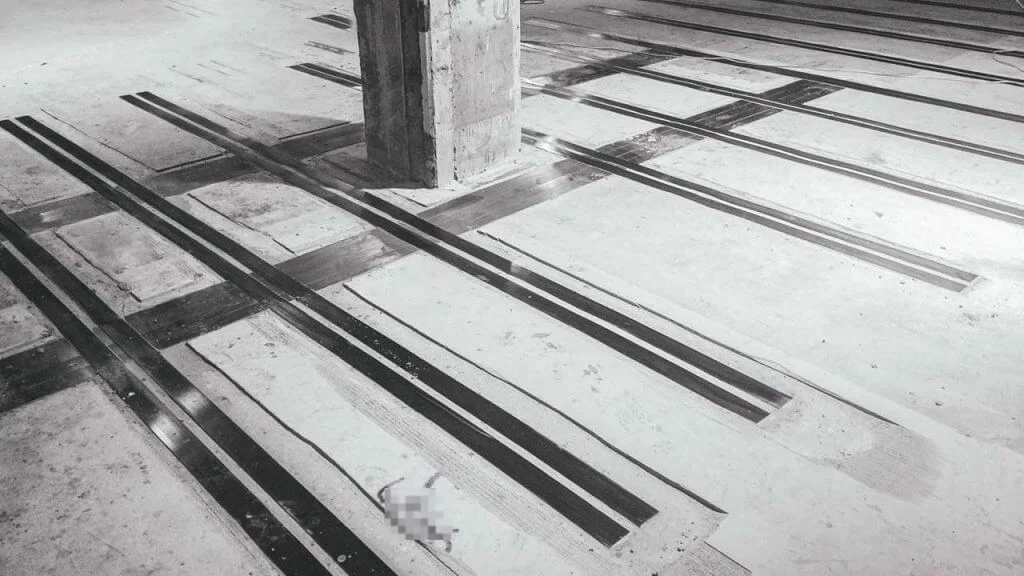
Steel plate reinforcement is a reliable and widely used shear strengthening method. Steel plates are bolted or bonded to concrete surfaces, providing immediate enhancement in shear and flexural capacity. This method is suitable for commercial and industrial structures that handle heavy loads. Steel plates are durable, cost-effective, and require minimal maintenance. They also provide structural stability without significantly altering the appearance or usable space of the building.
Carbon Fiber-Reinforced Polymer (CFRP) Strengthening
CFRP is a modern solution for shear strengthening in residential and commercial buildings. These sheets are applied with epoxy adhesives on beams, columns, and slabs. CFRP is lightweight yet extremely strong, making it ideal for retrofitting old or earthquake-damaged structures. It increases shear resistance, prevents further cracking, and enhances structural performance. Engineers often prefer CFRP because installation is fast, minimally invasive, and highly effective in extending the service life of structures.
Concrete Jacketing Method
Concrete jacketing involves adding a layer of reinforced concrete around existing structural elements. This shear strengthening technique increases both the shear capacity and overall stiffness of beams or columns. It is particularly effective for older buildings not designed for modern load requirements. Jacketing improves structural performance, prevents deterioration, and ensures long-term safety. Regular inspections combined with concrete jacketing help maintain durability without frequent interventions.
Benefits of Shear Strengthening
Investing in shear strengthening offers multiple advantages. It enhances the capacity of structural elements to handle high loads and seismic forces, ensuring safety for occupants. Strengthening reduces maintenance costs by preventing cracks and progressive damage. It also extends the building’s lifespan, making it a cost-effective solution. Additionally, strengthened structures comply with modern safety codes, providing peace of mind for property owners and increasing overall property value.
Identifying the Need for Shear Strengthening
Detecting early signs of shear weakness is crucial. Look for diagonal cracks in beams, spalling concrete, or noticeable deflection under load. Structural engineers conduct detailed inspections, load testing, and simulations to identify weak points. Timely shear strengthening interventions prevent further deterioration and ensure compliance with safety standards. Property owners should schedule periodic evaluations to maintain structural integrity and avoid expensive repairs in the future.
Shear Strengthening in Earthquake-Prone Areas
Seismic forces can severely impact the shear capacity of buildings. In earthquake-prone zones, shear strengthening is a vital preventive measure. Strengthening beams, columns, and slabs helps structures resist lateral forces, absorb energy, and avoid catastrophic collapse. Retrofitting older buildings with CFRP or steel plate reinforcement improves earthquake resilience. Structural engineers prioritize shear strengthening in retrofitting projects to meet updated seismic codes and safeguard occupants.
Choosing the Right Shear Strengthening Service
Selecting the right shear strengthening contractor is critical for successful outcomes. Professionals assess structural conditions, recommend suitable techniques, and ensure proper installation. Services typically include structural analysis, design, material selection, and quality assurance during execution. Experienced engineers guarantee that the strengthening method chosen aligns with building requirements, safety standards, and budget considerations. Choosing the right service provider ensures effective, long-lasting results.
Maintenance After Shear Strengthening
Post-strengthening maintenance is important to ensure longevity. Regular inspections help identify minor cracks or stress points. Monitoring the performance of reinforced elements prevents unexpected failures. Proper maintenance ensures that shear strengthening solutions like CFRP, steel plates, or concrete jacketing continue to perform effectively. It also helps maintain building value and complies with structural safety standards. Proactive maintenance complements the strengthening process and maximizes its benefits.
Shear strengthening is a vital strategy to ensure building safety and longevity. Addressing weaknesses in beams, columns, and slabs prevents structural failure, reduces maintenance costs, and extends service life. Advanced methods such as CFRP, steel plate reinforcement, and concrete jacketing provide reliable, effective solutions. Timely intervention enhances earthquake resistance, improves structural performance, and protects occupants. Property owners and engineers must prioritize shear strengthening to maintain safe and durable structures for years to come.