
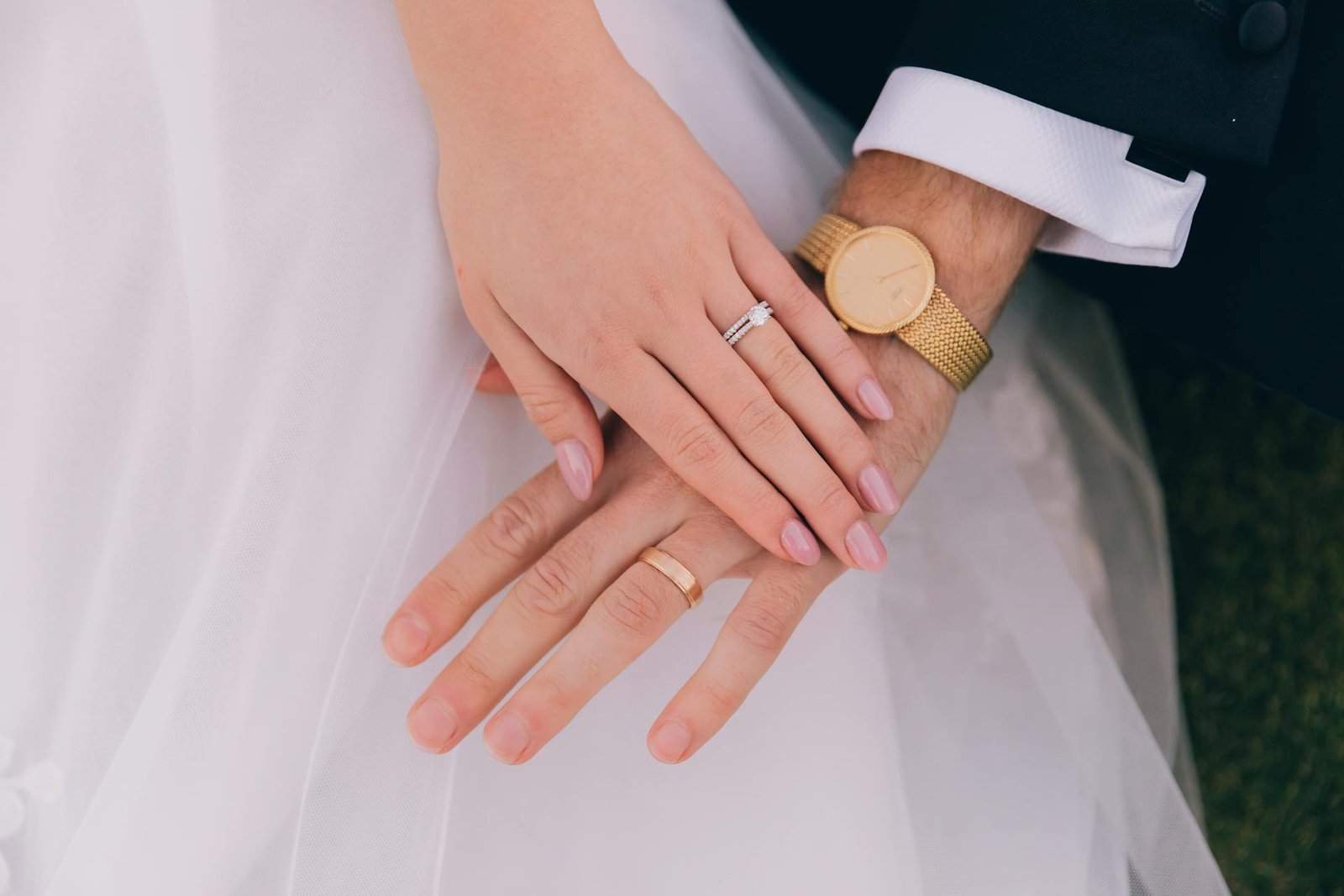
Let’s be honest—everyone loves a bargain. When it comes to jewelry, the word “wholesale” feels like a golden ticket. The promise? Sparkling lab diamonds at jaw-dropping prices.
But here’s the catch—most so-called “wholesale” lab diamond deals online aren’t what they seem.
If you’ve ever typed “buy lab grown diamonds online” or “wholesale lab diamond rings” into Google, you’ve probably noticed an avalanche of offers claiming “factory prices” or “direct deals.” Sounds great, right? But is bulk buying really cheaper in India—or just clever marketing with a shiny twist?
Today, we’ll peel back the sparkle and talk straight about what “wholesale” really means in the world of lab grown diamonds, and how you can make sure you’re getting real value—not just a lower number on a price tag.
What Does ‘Wholesale’ Really Mean in the Diamond Industry?
Let’s start with a simple truth—true wholesale isn’t meant for everyday buyers.
In the jewelry supply chain, wholesale refers to the price at which manufacturers sell to retailers or jewelers, usually in bulk quantities. These prices account for large orders, recurring business, and no middlemen.
When a consumer buys a single solitaire ring or a pair of lab diamond earrings online, even from a “wholesale” listing, that’s still technically a retail transaction. You might get a small discount, but it’s not the same as business-level wholesale pricing.
Many online sellers use “wholesale” as a buzzword. They offer slightly lower margins, hoping to attract deal-hunters. And yes, you might save 10–20%. But don’t expect half-off miracles—those only happen if you’re a retailer buying hundreds of stones at once.
Why Lab Grown Diamonds Are Changing the Game
Now, here’s where it gets interesting. The rise of lab grown diamonds in India has blurred the lines between retail and wholesale pricing.
These diamonds aren’t mined from the earth. They’re grown in advanced labs under controlled conditions that mimic nature’s pressure and heat. The result? Real diamonds—same sparkle, same hardness, same chemical composition—just without the environmental baggage.
In India, this shift has been massive. Over the last five years, the lab grown diamond price has dropped nearly 60–90% compared to mined diamonds. That’s not because they’re “cheap,” but because technology has made production efficient and ethical.
Younger buyers love this. Especially those looking for lab diamond engagement rings that align with their values—sustainable, cruelty-free, and transparent.
So when brands like Carat & Kin bring these diamonds directly from certified labs to you, they’re already giving you near-wholesale prices. No middlemen. No inflated margins.
How Are Lab Diamond Prices Calculated?
Lab diamond pricing isn’t random—it’s science plus craftsmanship.
Just like natural diamonds, lab diamonds are graded by the 4Cs:
- Carat – The size or weight of the diamond.
- Cut – How well it’s shaped to reflect light.
- Color – The absence of tint; D being the purest.
- Clarity – The number of internal inclusions or blemishes.
But here’s a fun fact: the lab grown diamond price per carat doesn’t drop drastically with bulk orders. Unlike mined stones, lab diamonds are created in batches with consistent quality, meaning the production cost remains fairly uniform whether you make 10 or 100 stones.
Here’s a simplified comparison (approximate, for context):
| Type | Average Retail Price (1 Carat) | Average “Wholesale” Price (1 Carat) |
| Lab Grown Diamond | ₹50,000–₹75,000 | ₹40,000–₹60,000 |
| Natural Diamond | ₹2,00,000–₹3,00,000 | ₹1,50,000–₹2,50,000 |
As you can see, the gap between retail and wholesale lab diamonds isn’t massive—mainly because lab production already eliminates middlemen.
The Illusion of Online “Wholesale” Deals
So, what’s the deal with websites claiming “bulk lab diamond discounts”?
The truth: most online sellers use “wholesale” for SEO, not pricing accuracy.
You might see listings for “factory rate lab diamonds” or “direct-from-lab solitaires.” But in practice, these are retail prices with a small markdown. Bulk buying often means minimum order quantities—say, 10 identical stones or designs—not necessarily a better rate for one purchase.
And even if you buy in quantity, several hidden costs creep in:
- Customization Fees: Each design tweak adds labor hours.
- Certification Costs: IGI or SGL certificates are per diamond, not per batch.
- Logistics: Insurance, taxes, and shipping on high-value packages.
So while “wholesale” might sound like a jackpot, the math rarely supports it.
Buying Lab Diamonds Online in India the Smart Way
If you’re planning to buy lab grown diamonds online, think like an insider—not just a shopper.
Here’s what smart buyers do:
- Check Certification: Always ensure IGI or SGL certification. These validate authenticity and quality.
- Research the Brand: Look for transparent sourcing. Brands like Carat & Kin display detailed diamond info, so you know what you’re paying for.
- Understand the Pricing: Compare across reputable stores. If one site’s price seems too low, ask why.
- Check Return and Buyback Policies: Reputable sellers offer fair buyback guarantees.
- Ask About Customization: Whether you want a bespoke solitaire ring or a custom band, ensure the brand handles in-house design to avoid extra markups.
Buying from a trusted lab grown diamond shop means you’re already bypassing unnecessary intermediaries.
Price Reality Check: Wholesale vs. Retail in 2025
Let’s do a quick reality check.
Imagine two buyers—Aisha and Rohan. Both want a 1-carat lab diamond engagement ring.
- Aisha buys from a reputed online brand like Carat & Kin, choosing a certified lab diamond ring at ₹60,000.
- Rohan, chasing a “wholesale” deal, finds a small online seller promising 40% off. But by the time he adds certification, design, and taxes, his total crosses ₹58,000.
So yes, Rohan technically “bought wholesale.” But did he save much? Not really.
Wholesale discounts in the lab diamond world usually range between 5% to 20%, not 50%. The reason? The production process already minimizes markup.
What truly matters is value per rupee—cut quality, ethical sourcing, certification, and design craftsmanship.
How Brands Like Carat & Kin Offer Near-Wholesale Prices
Here’s where Carat & Kin stands apart.
They don’t just sell lab diamonds—they reimagine how luxury jewelry is bought. By working directly with certified labs and expert craftsmen, they skip middlemen entirely.
This direct-to-customer (D2C) model means you get the same stones that jewelers buy wholesale—but with personal customization, lifetime guarantees, and transparent pricing.
Here’s what that looks like in practice:
- Certified Quality: Every stone is IGI or SGL certified.
- Hallmarked Gold: 14K and 18K options for every ring or pendant.
- Transparent Pricing: You see exactly where your money goes.
- Made-to-Order Luxury: Each piece crafted only after your order—no warehouse stock.
That’s what near-wholesale really means: fair prices without cutting corners on ethics or beauty.
When Buying in Bulk Actually Makes Sense
There are exceptions, of course.
Buying lab diamonds in bulk can make sense for:
- Corporate Gifting: Think branded jewelry or appreciation tokens.
- Jewelry Startups: Designers creating their own lines using lab diamonds.
- Wedding Orders: Family sets or matching bridesmaid jewelry.
In such cases, wholesale works because you’re ordering large quantities with consistent specs. The brand can plan production efficiently and pass on those savings.
But for individual shoppers? You’ll get the best deal by buying from D2C brands like Carat & Kin, which already operate close to wholesale margins.
Understanding the Emotional Value Behind a Lab Diamond
Let’s step away from numbers for a second.
Buying a diamond—whether for yourself or someone you love—isn’t just a transaction. It’s emotional. It’s about meaning, not margins.
When you buy a lab diamond ring, you’re not just saving money—you’re supporting ethical craftsmanship, environmental care, and modern innovation. That’s worth something.
So yes, go ahead and compare prices. But also look at what your purchase represents: a smarter, cleaner, more conscious form of luxury.
And if your jewelry comes from Carat & Kin, it also represents trust—crafted, certified, and delivered with care.
The Future of Wholesale Lab Diamonds in India
India’s lab diamond industry is booming. As technology improves, prices will likely stabilize further. More labs mean more supply, but also higher transparency and competition.
Consumers are getting smarter, too. They’re asking the right questions:
- Where was this diamond made?
- Who certified it?
- What’s the brand’s environmental footprint?
Soon, wholesale will matter less than authenticity. Buyers will care more about sustainability, traceability, and craftsmanship than outdated price labels.
And that’s a good thing. It means we’re redefining value—one lab-grown sparkle at a time.
Conclusion
Let’s wrap this up with one simple truth—wholesale doesn’t always mean cheaper.
In the world of lab grown diamonds, the difference between “wholesale” and “retail” is shrinking fast. When brands like Carat & Kin already sell directly from certified labs, you’re getting near-wholesale prices—with the added comfort of quality assurance, certification, and service.
So before chasing the next “factory rate” ad, pause and ask:
What am I really paying for?
Because sometimes, paying slightly more for a trustworthy, transparent brand means saving—not losing—in the long run.
Your Sparkle, Your Choice
Whether you’re shopping for a timeless solitaire ring or elegant lab diamond engagement rings, make it meaningful.
Choose certified, ethical, and transparent jewelry. Choose craftsmanship that tells a story. Choose Carat & Kin—where beauty, honesty, and value meet in every sparkle.
Ready to buy lab grown diamonds online?
Explore Carat & Kin’s curated collection today and experience the future of fine jewelry—crafted for conscious hearts, priced for smart minds.