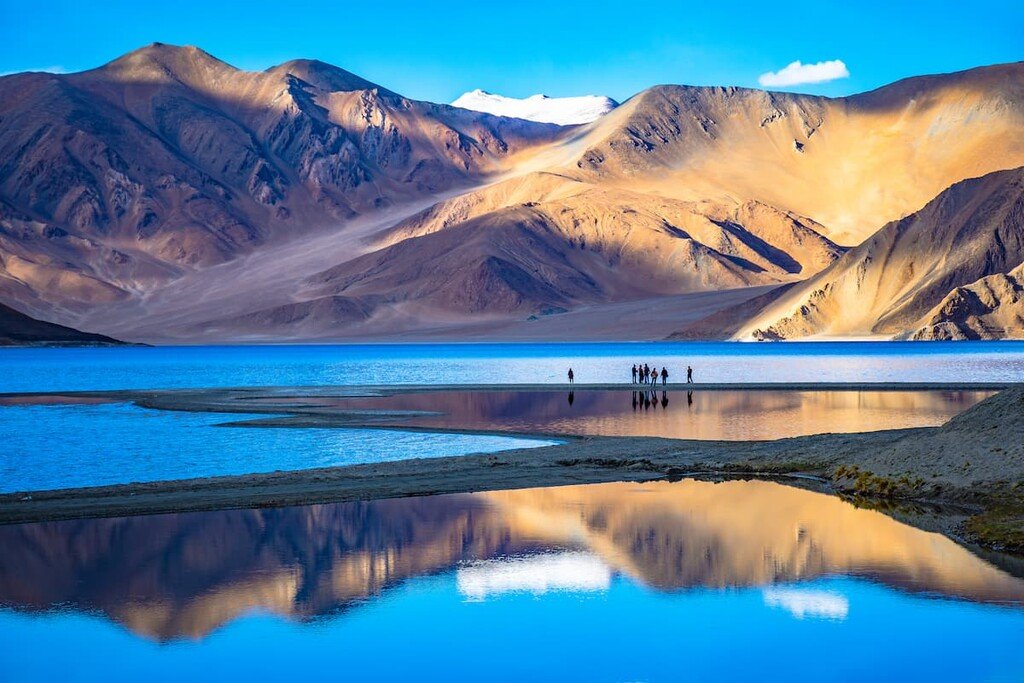
Ladakh, often called the Land of High Passes, is one of the most spectacular travel destinations in India. Ladakh Tourism has become a global attraction for adventure seekers, nature lovers, and spiritual travelers. Nestled in the northernmost region of India, Ladakh is known for its rugged mountains, pristine lakes, ancient monasteries, and unique culture.
In this article, we will explore Ladakh Tourism in detail—its landscapes, monasteries, adventure activities, festivals, cuisine, and must-visit places that make it a dream destination for travelers.
🏔️ The Geography of Ladakh
Ladakh lies between the Karakoram and Himalayan ranges, offering dramatic landscapes:
- Mountains: Snow-clad peaks like Stok Kangri and Nun Kun.
- Rivers: Indus and Zanskar rivers flow through the valleys.
- Lakes: Pangong Tso, Tso Moriri, and Tso Kar are famous high-altitude lakes.
- Valleys: Nubra Valley and Zanskar Valley showcase Ladakh’s raw beauty.
The geography itself makes Ladakh Tourism unique, offering stark contrasts of barren deserts and sparkling blue lakes.
🌊 Pangong Lake – The Iconic Beauty
Pangong Lake is one of the most famous attractions of Ladakh Tourism.
- Located at 13,900 feet, stretching across India and Tibet.
- Famous for its changing colors—from blue to green to golden.
- Popularized by Bollywood movies.
- Ideal for camping and photography.
🏞️ Nubra Valley – The Valley of Flowers
Nubra Valley is a highlight of Ladakh Tourism.
- Known for sand dunes and double-humped Bactrian camels.
- Diskit Monastery offers panoramic views.
- Shyok River adds charm to the valley.
- Famous for apricot orchards and warm hospitality.
🏔️ Zanskar Valley – Adventure Hub
Zanskar Valley is a paradise for trekkers and adventure lovers.
- Famous for the Chadar Trek on the frozen Zanskar River.
- Offers rafting, trekking, and camping.
- Remote villages showcase traditional Ladakhi lifestyle.
- Surrounded by snow-covered peaks and glaciers.
🛕 Monasteries of Ladakh
Ladakh Tourism is incomplete without its monasteries.
- Hemis Monastery: Largest and most famous, known for Hemis Festival.
- Thiksey Monastery: Resembles the Potala Palace of Tibet.
- Diskit Monastery: Famous for its giant Maitreya Buddha statue.
- Spituk Monastery: Offers views of the Indus Valley.
These monasteries reflect Ladakh’s deep Buddhist heritage.
🏖️ Leh – The Heart of Ladakh
Leh, the capital town, is the gateway to Ladakh Tourism.
- Leh Palace: A historic palace overlooking the town.
- Shanti Stupa: A white-domed stupa offering sunset views.
- Markets: Famous for handicrafts, pashmina shawls, and jewelry.
- Local Culture: A blend of Tibetan and Ladakhi traditions.
Leh serves as the base for exploring other Ladakh destinations.
🚵 Adventure Tourism in Ladakh
Ladakh Tourism is a magnet for adventure enthusiasts:
- Trekking: Markha Valley, Stok Kangri, and Lamayuru treks.
- River Rafting: Indus and Zanskar rivers offer thrilling rapids.
- Mountain Biking: Khardung La, one of the highest motorable passes.
- Camping: Pangong Lake and Nubra Valley are popular camping sites.
- Skiing: Winter sports in Zanskar and Nubra.
🌿 Wildlife and Eco-Tourism
Ladakh is home to unique wildlife:
- Snow Leopard: Found in Hemis National Park.
- Blue Sheep & Ibex: Common in high-altitude areas.
- Birds: Black-necked cranes and bar-headed geese.
- Eco-Tourism: Community-based tourism initiatives promote sustainability.
🎉 Festivals of Ladakh
Festivals add color to Ladakh Tourism:
- Hemis Festival: Celebrated with mask dances and rituals.
- Losar: Tibetan New Year with cultural performances.
- Sindhu Darshan Festival: Celebrates the Indus River.
- Matho Nagrang: Known for oracle predictions.
These festivals showcase Ladakh’s vibrant traditions.
🍲 Cuisine of Ladakh
Food is an integral part of Ladakh Tourism.
- Thukpa: A noodle soup with vegetables or meat.
- Momos: Steamed dumplings filled with meat or vegetables.
- Skyu: A traditional Ladakhi pasta dish.
- Butter Tea: Made with yak butter and salt.
- Apricot Jam: A local delicacy.
Simple yet hearty, Ladakhi cuisine reflects the mountain lifestyle.
🏛️ Heritage and Culture
Ladakh Tourism also highlights heritage:
- Palaces: Leh Palace and Stok Palace showcase royal history.
- Architecture: Monasteries with Tibetan-style designs.
- Handicrafts: Pashmina wool, carpets, and thangka paintings.
- Music & Dance: Folk performances during festivals.
📌 Must-Visit Ladakh Tourism Places
| Destination | Highlight | Best Time to Visit |
| Leh | Capital town & culture | May–September |
| Pangong Lake | High-altitude lake | May–September |
| Nubra Valley | Sand dunes & camels | June–September |
| Zanskar Valley | Trekking & rafting | June–September |
| Hemis Monastery | Festival & heritage | June–July |
| Khardung La | Highest motorable pass | May–September |
| Tso Moriri | Scenic lake | June–September |
✈️ Accessibility
Ladakh is accessible by air and road:
- Air: Kushok Bakula Rimpochee Airport in Leh connects to major cities.
- Road: Srinagar-Leh Highway and Manali-Leh Highway are popular routes.
- Local Transport: Taxis, bikes, and buses are available.
🌟 Why Choose Ladakh Tourism?
- Stunning Himalayan landscapes.
- Adventure activities like trekking and biking.
- Rich Buddhist culture and monasteries.
- Unique cuisine and festivals.
- Warm hospitality and sustainable tourism.
✍️ Conclusion
Ladakh Tourism is a journey into the heart of the Himalayas, offering a mix of adventure, spirituality, and natural beauty. From the shimmering waters of Pangong Lake to the golden meadows of Nubra Valley, from the frozen Zanskar River to the vibrant Hemis Festival, Ladakh is a destination that leaves every traveler spellbound.
Whether you seek thrill, peace, or cultural immersion, Ladakh welcomes you with open arms. It is not just a place to visit—it is an experience that stays with you forever.
In essence, Ladakh Tourism is the crown jewel of India’s adventure and cultural travel, offering unforgettable journeys into paradise.