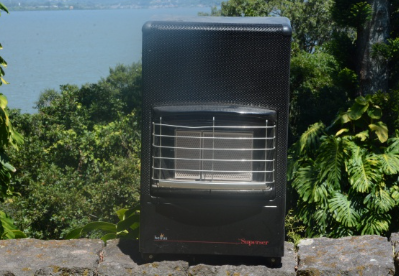
A Superser gas heater is one of the most popular and efficient ways to warm up your home during cold months. Known for their portability, strong heat output, and cost-effective fuel usage, Superser heaters are widely used in homes, shops, offices, and outdoor spaces. If you’re a new user, understanding how to operate your heater safely and efficiently is essential. This complete beginner’s guide will walk you through everything you need to know—from setup and safety to maintenance and troubleshooting.
What is a Superser Gas Heater?
A Superser gas heater is a portable heating unit that uses a gas cylinder—usually LPG—as its fuel source. These heaters are designed to quickly warm medium-to-large rooms, making them an ideal choice for home and commercial use. Unlike electric heaters, they do not rely on electricity, making them highly reliable during power outages.
Key advantages include:
- High heat output
- Affordable running costs
- Easy portability
- Quick room heating
- Independence from power supply
Understanding these benefits helps you decide why a Superser heater could be the ideal heating solution for your space.
How a Superser Gas Heater Works
Superser heaters work by connecting directly to a gas cylinder placed inside or behind the unit. Once the heater ignites the gas, it produces a flame that heats the ceramic plates or burner panels at the front of the heater. These heated plates then radiate warmth throughout the room.
Most heaters include:
- A built-in ignition button
- Heat settings (usually low, medium, and high)
- A regulator to control gas flow
- Safety sensors such as oxygen depletion and flame failure protection
Understanding these components ensures safe and efficient usage.
Choosing the Right Gas Cylinder
Before using your Superser gas heater, you must pair it with a compatible gas cylinder. Most models use:
- Propane (LPG) cylinders, which work best in cold weather
- Butane cylinders, ideal for mild or indoor use
Cylinder sizes vary. Common options include 6kg, 11kg, and 15kg bottles. A larger cylinder runs longer, making it ideal for daily use, while a smaller one works well for occasional heating.
Make sure the cylinder has:
- No visible damage
- A clean valve
- A correct regulator attachment
Selecting the right gas bottle ensures your heater performs optimally and safely.
Step-by-Step Guide: How to Set Up a Superser Gas Heater
If you’re a beginner, follow these steps carefully:
1. Position the Heater in a Safe Location
Place your heater:
- Away from curtains, furniture, and walls
- On a flat, stable surface
- In a well-ventilated room
- Far from children and pets
Good placement ensures safe and effective heat distribution.
2. Insert the Gas Cylinder
Open the rear compartment of your heater and place the gas cylinder upright. Ensure it sits firmly and does not wobble.
3. Attach the Regulator
The regulator controls gas flow from the cylinder to the heater. Align it properly with the cylinder valve, then press or twist until it locks. You should hear a “click” or feel a firm grip when secured.
4. Check for Gas Leakage
Before ignition, do a quick leak test. Turn on the gas slightly and listen for any hissing sounds. You can also use a mixture of soap and water; bubbles indicate a leak. If any leak is detected, do not use the heater.
5. Ignite the Heater
- Turn the control knob to the ignition or pilot setting
- Press and hold the ignition button
- Keep holding for a few seconds until the flame catches
- Once the flame is stable, adjust the heat setting
You’ll see the ceramic plates begin to glow as the heater starts warming the room.
Operating Your Superser Gas Heater Safely
Safety is a top priority when using gas appliances. Follow these guidelines:
Ensure Proper Ventilation
Gas heaters consume oxygen. Always leave a window slightly open to allow fresh air to circulate.
Keep Flammable Items Away
Maintain at least one meter of space between your heater and any flammable materials.
Avoid Touching the Hot Surface
The front panel and ceramic plates get extremely hot. Keep children and pets away to prevent burns.
Do Not Leave the Heater Unattended
Turn off the heater when leaving the room or going to sleep.
Check Safety Features Regularly
Modern Superser heaters include:
- Flame Failure Device (FFD)
- Oxygen Depletion Sensor (ODS)
- Tip-over protection
Ensure these features are working properly.
Energy-Efficient Tips for Using a Superser Gas Heater
To get the most heat while lowering fuel consumption, follow these tips:
Use Heat Settings Wisely
Start on high to quickly warm the room, then switch to low or medium to maintain the temperature.
Close Doors and Windows
Limit heat escape by keeping doors closed. However, keep one window slightly open for ventilation.
Keep the Room Insulated
Curtains, rugs, and draft blockers help retain heat, reducing gas usage.
Turn Off When Not Needed
Gas heaters warm rooms quickly, so switch off the unit when leaving the room.
Efficient usage helps save money and extends the life of your gas cylinder.
Common Issues and How to Troubleshoot Them
Beginners often face a few common problems. Here’s how to handle them:
1. Heater Won’t Ignite
Possible causes include:
- Empty gas cylinder
- Loose regulator connection
- Blocked burner
- Faulty ignition switch
Check each component and try re-igniting.
2. Low or Weak Flame
This usually means:
- Low gas pressure
- Cylinder nearly empty
- Blocked nozzle
Replace the cylinder or clean the burner if necessary.
3. Heater Turns Off Unexpectedly
If your heater keeps shutting down:
- The oxygen depletion sensor might be triggered
- The flame failure device may activate
- The room may lack ventilation
Improve airflow and try again.
4. Strange Smells
A burning odor can mean:
- Dust buildup
- Debris inside the unit
Turn off the heater and clean it thoroughly before use.
How to Maintain Your Superser Gas Heater
Proper maintenance extends the life of your heater and keeps it functioning safely.
Clean the Exterior
Wipe the surfaces with a damp cloth to remove dust. Avoid harsh chemicals.
Clean Burner and Ceramic Plates
Dust can affect performance. A soft brush works well for cleaning ceramic plates.
Check Gas Hoses and Regulators
Over time, hoses can crack or wear out. Replace them at the first sign of damage.
Secure Storage
When not using the heater for long periods:
- Remove the gas cylinder
- Store the heater in a dry place
- Cover it to prevent dust accumulation
Regular maintenance keeps your heater working efficiently season after season.
Why a Superser Gas Heater is Perfect for Beginners
If you’re new to gas heaters, a Superser model is one of the easiest to learn and use. It’s designed with simplicity in mind—quick to set up, simple to ignite, and very effective at heating even large rooms.
Some reasons beginners love it:
- Easy ignition system
- Adjustable heat control
- Built-in safety features
- Portable design
- Affordable running cost
Its user-friendly design makes it ideal for households, small shops, offices, and rental spaces.
Safety Tips for Households with Children and Pets
If you have kids or animals at home, take extra precautions:
- Place a safety guard or barrier around the heater
- Teach children to avoid touching or going near the heater
- Never leave pets unsupervised in the room
- Position the heater out of high-traffic areas
These small steps help prevent accidents and keep everyone safe.
Signs That You Need to Replace Your Superser Heater
Like all appliances, gas heaters have a lifespan. Replace your heater if you notice:
- Frequent ignition problems
- Rust, cracks, or corrosion
- A strong gas smell while operating
- Excessive soot or discolored flames
- Poor heat output even with a full cylinder
Using an old or faulty heater can be dangerous, so it’s better to replace it early.
Conclusion
A Superser gas heater is an excellent choice for anyone looking for a reliable, portable, and affordable heating solution. This beginner’s guide covered everything you need to safely set up, operate, and maintain your heater. By understanding how your Superser heater works and following essential safety tips, you can enjoy warm and comfortable spaces throughout the cold season. With proper care and regular maintenance, your heater will serve you efficiently for many years. Whether you’re using it at home, in a shop, or in a workspace, a Superser gas heater remains one of the best heating options for both new and experienced users.