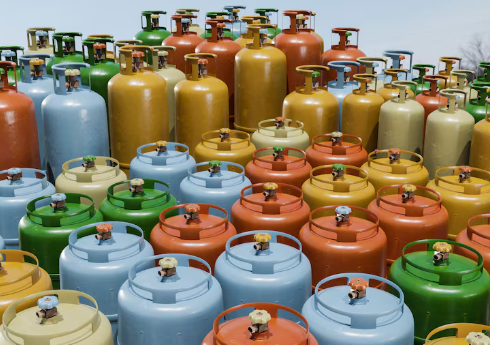
Gas bottles, also known as LPG (liquefied petroleum gas) cylinders, are widely used in homes, restaurants, and industries for cooking, heating, and industrial processes. While they provide a convenient and efficient source of energy, gas bottles can be extremely dangerous if not handled properly. Accidents involving gas bottles can result in fires, explosions, and serious injuries. For this reason, understanding and following gas bottles safety regulations is crucial for everyone who uses them.
Understanding Gas Bottles
Before diving into safety regulations, it’s essential to understand what gas bottles are and how they work. Gas bottles are high-pressure containers that store liquefied petroleum gas. When the gas is released, it vaporizes and can be burned for energy. Because the gas is flammable, even a small leak can lead to a catastrophic fire or explosion.
The design, storage, and transportation of gas bottles are regulated by strict safety standards to minimize risk. These regulations are established by government authorities, safety organizations, and industry standards, and they are designed to protect both users and the public.
Key Gas Bottles Safety Regulations
1. Proper Storage of Gas Bottles
One of the most important safety regulations is proper storage. Gas bottles should always be stored in an upright position in a well-ventilated area, away from heat sources, open flames, and electrical equipment. Storing gas bottles in enclosed spaces, such as cupboards or basements, is extremely dangerous.
Regulations also specify that gas bottles should be kept away from combustible materials, such as paper, wood, or fabric. The storage area should have clear signage indicating the presence of flammable gas. Outdoor storage is preferred, but if indoor storage is necessary, proper ventilation is mandatory.
2. Handling and Transporting Gas Bottles Safely
Transporting gas bottles requires careful attention to safety. According to regulations, gas bottles must be transported in an upright position and secured properly to prevent tipping or rolling. Vehicles transporting gas bottles should have adequate ventilation and must not carry other flammable materials alongside the cylinders.
It is also prohibited to smoke or use open flames near gas bottles during transportation. Special carriers, trolleys, or carts are recommended for moving bottles, especially in industrial or commercial settings.
3. Regular Inspection and Maintenance
Gas bottles must undergo regular inspection and maintenance to ensure safety. This includes checking for signs of wear, rust, corrosion, or leaks. Safety regulations typically require a visual inspection before each use, and periodic professional inspections as specified by the manufacturer or regulatory authorities.
Using a gas bottle that is damaged, expired, or has an unknown history is strictly forbidden. Most gas bottles have a manufacturing date and an expiry or re-certification date, which must be observed.
4. Using Gas Bottles Correctly
Correct usage is vital for preventing accidents. Gas bottles should always be connected to approved regulators and equipment. Never attempt to modify the cylinder, regulator, or hoses. Only trained personnel should install or repair gas appliances.
When using a gas bottle, always check for leaks using a soap solution around the connection points. A hissing sound or bubbling indicates a leak, which must be fixed immediately. In case of a leak, the gas supply should be turned off, and the area should be evacuated until the gas disperses.
5. Fire Safety Measures
Fire safety is a critical aspect of gas bottles regulations. Fire extinguishers, specifically CO2 or dry powder types, should be available near areas where gas bottles are used or stored. Users should know how to operate the extinguishers and understand basic fire safety procedures.
Regulations often prohibit smoking, sparks, or open flames near gas bottles. In commercial settings, gas detection systems may be required to alert personnel of potential leaks before they become dangerous.
6. Emergency Preparedness
In addition to preventive measures, regulations emphasize emergency preparedness. Every home, restaurant, or industrial site using gas bottles should have an emergency plan in place. This includes knowing how to shut off the gas supply, evacuating the area, and contacting emergency services.
Training and drills are often required in workplaces that use gas bottles. Employees should be aware of how to respond in case of a leak, fire, or explosion. Quick action can prevent injuries and minimize property damage.
7. Compliance With Manufacturer Guidelines
Gas bottle manufacturers provide detailed guidelines for safe use, storage, and maintenance. Compliance with these guidelines is legally required in many countries and is considered best practice everywhere. Ignoring manufacturer instructions can void warranties and increase the risk of accidents.
For example, regulators, hoses, and connectors should match the specifications provided by the manufacturer. Using incompatible equipment can lead to gas leaks or explosions.
8. Disposal and Recycling Regulations
Proper disposal of gas bottles is another critical safety aspect. Empty or damaged cylinders should never be thrown in regular trash. Specialized recycling centers or gas suppliers often provide safe disposal services.
Regulations ensure that old gas bottles are depressurized, cleaned, and recycled safely. This prevents environmental contamination and reduces the risk of accidents during disposal.
9. Awareness and Education
Finally, safety regulations stress the importance of awareness and education. Everyone who handles gas bottles, from homeowners to industrial workers, should understand the risks and follow safety protocols. Public awareness campaigns, training programs, and safety signage contribute to reducing accidents.
Even simple actions, such as keeping children away from gas bottles or avoiding improvisation with gas connections, can save lives. Knowledge and vigilance are the most effective tools for preventing gas-related accidents.
Common Mistakes to Avoid
Even with regulations in place, many accidents occur due to common mistakes. These include:
- Storing gas bottles indoors in unventilated spaces.
- Using damaged or expired cylinders.
- Ignoring leaks or unusual odors.
- Connecting gas bottles to incompatible appliances.
- Improper handling during transport.
- Lack of emergency preparedness and fire safety equipment.
Avoiding these mistakes is crucial for ensuring the safety of yourself and others.
Conclusion
Gas bottles are convenient and efficient, but they come with inherent risks due to their flammable nature. Following gas bottles safety regulations is not just a legal requirement; it is a matter of personal and public safety. Proper storage, handling, regular inspections, correct usage, fire safety measures, emergency preparedness, and awareness are all essential components of safe gas bottle use.
By adhering to these regulations, you can prevent accidents, protect lives, and ensure that your use of gas bottles remains safe and reliable. Whether at home, in a restaurant, or in an industrial setting, safety must always be the top priority when dealing with gas bottles. Awareness, vigilance, and compliance with regulations are the keys to enjoying the benefits of gas bottles without putting yourself or others at risk.