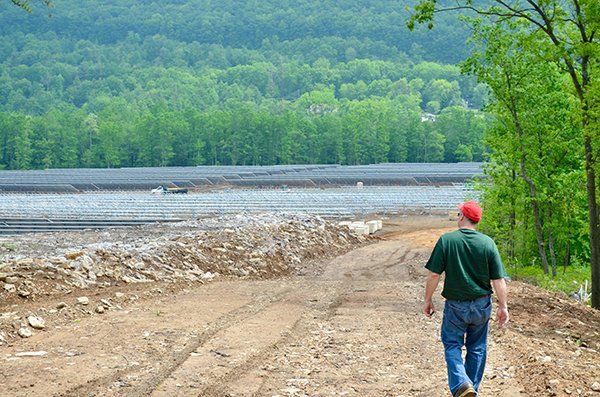
The global transition toward a sustainable future is driven by the expertise and vision of renewable energy project developers. As the world pivots away from fossil fuels, the role of these developers has evolved from simple installers to complex solution providers who manage the entire lifecycle of clean energy assets. For investors, landowners, and municipal stakeholders, partnering with experienced developers is the most critical factor in transforming a green concept into a high-performing, utility-scale reality.
The Role of Experienced Developers
Professional renewable energy project developers serve as the bridge between raw potential and a functional power grid. Developing large-scale solar and wind farms requires more than just hardware; it demands a deep understanding of land acquisition, environmental science, and energy markets. These developers specialize in identifying high-yield sites and navigating the intricate regulatory landscapes that vary by region. By managing every phase—from initial site selection to final commissioning—they ensure that projects are not only environmentally beneficial but also commercially viable.
Full-Cycle Development Solutions
A comprehensive approach to renewable energy development involves several mission-critical stages:
- Feasibility and Site Assessment: Before a single panel is installed, developers conduct rigorous feasibility studies. This includes analyzing solar irradiance, wind patterns, and soil conditions to ensure the land can support massive infrastructure.
- Permitting and Regulatory Compliance: One of the greatest challenges in the industry is navigating the maze of local, state, and federal regulations. Renewable energy project developers handle the environmental impact assessments, zoning applications, and public consultations required to move a project forward legally and ethically.
- Grid Interconnection and Engineering: Connecting a large-scale project to the national grid is a technical feat. Developers coordinate with utility companies to secure interconnection agreements and design the electrical infrastructure needed to export power efficiently.
- Financial Structuring: High-quality developers bring “bankability” to a project. They structure Power Purchase Agreements (PPAs) and leverage tax incentives to ensure the project meets the Internal Rate of Return (IRR) required by institutional investors.
Why Experience Matters in Large-Scale Projects
The complexity of large-scale renewable energy projects leaves no room for error. Experienced renewable energy project developers bring a proven track record of de-risking investments. They have the supply chain relationships necessary to procure tier-one components at scale and the project management expertise to keep construction on schedule and within budget.
Furthermore, veteran developers understand the long-term nature of these assets. They design projects with 25- to 30-year lifespans in mind, incorporating advanced monitoring systems and maintenance strategies that ensure the facility remains productive for decades.
Conclusion
As the demand for clean, reliable power continues to surge, the expertise of renewable energy project developers remains the primary engine of growth. By combining technical proficiency with financial acumen and regulatory knowledge, these professionals are turning the promise of a carbon-neutral grid into a tangible reality. Whether you are looking to develop a utility-scale solar farm or diversify an energy portfolio, the right development partner provides the roadmap to long-term renewable success.