
In the world of advanced manufacturing, achieving precision, speed, and reliability is essential for maintaining a competitive edge. Modern production lines rely heavily on automation, robotics, and high-performance tooling systems to streamline workflows and deliver consistent results. One of the most important components that enable these efficiencies is pneumatic clamping, a technology widely used across machining, assembly, fabrication, and inspection processes. Its ability to deliver stable, repeatable, and high-speed clamping makes it indispensable in today’s industrial environments.
This comprehensive guide explores how pneumatic clamping works, its applications, advantages, and how it integrates with advanced systems like the hydro pneumatic clamping system. Understanding these technologies helps industries choose the ideal clamping solution for better productivity and long-term reliability.
What Is Pneumatic Clamping?
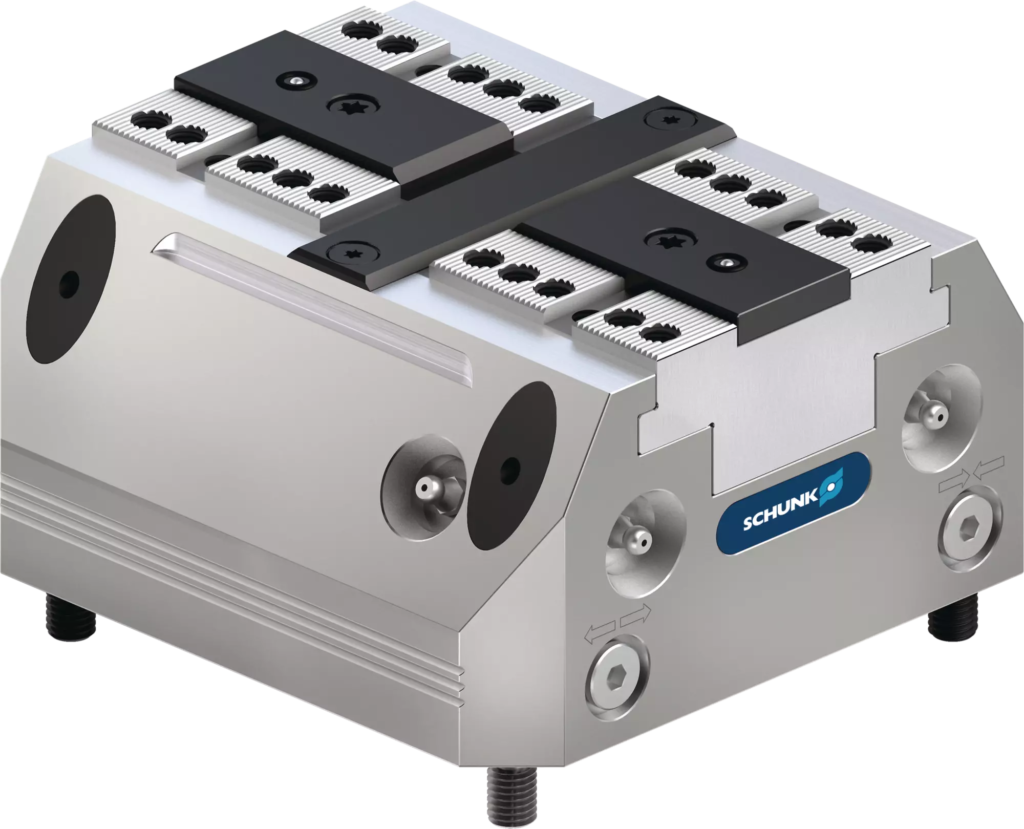
Pneumatic clamping is a mechanism that uses compressed air to apply force and secure a workpiece during industrial operations. By directing air pressure into cylinders or actuators, the clamp generates the gripping or holding force needed for stable machining or assembly. Unlike manual clamping, which requires physical effort and may introduce inconsistencies, pneumatic clamps are automated, precise, and extremely fast.
Their ability to apply uniform force makes them ideal for both delicate and heavy-duty applications. Whether holding a metal component for milling or securing plastic parts during assembly, pneumatic clamps ensure repeatability and accuracy.
Also Read :- How a Semi Rotary Actuator Enhances Efficiency in Automated Processes
How Pneumatic Clamping Works
The working principle of pneumatic clamping is simple yet powerful. Compressed air enters a cylinder, pushing a piston, which in turn activates the clamping arm or jaw. When the air pressure is released, the clamp retracts. This allows for rapid opening and closing cycles, minimizing downtime and speeding up production.
Key components typically include:
- Air cylinder
- Valve system
- Pressure regulator
- Clamp arm or jaw
- Mounting accessories
These components work together to provide a controlled and reliable clamping force. Modern pneumatic systems are also equipped with sensors that monitor force, position, and pressure, enabling integration into automated workflows and Industry 4.0 ecosystems.
Key Advantages of Pneumatic Clamping in Production Lines
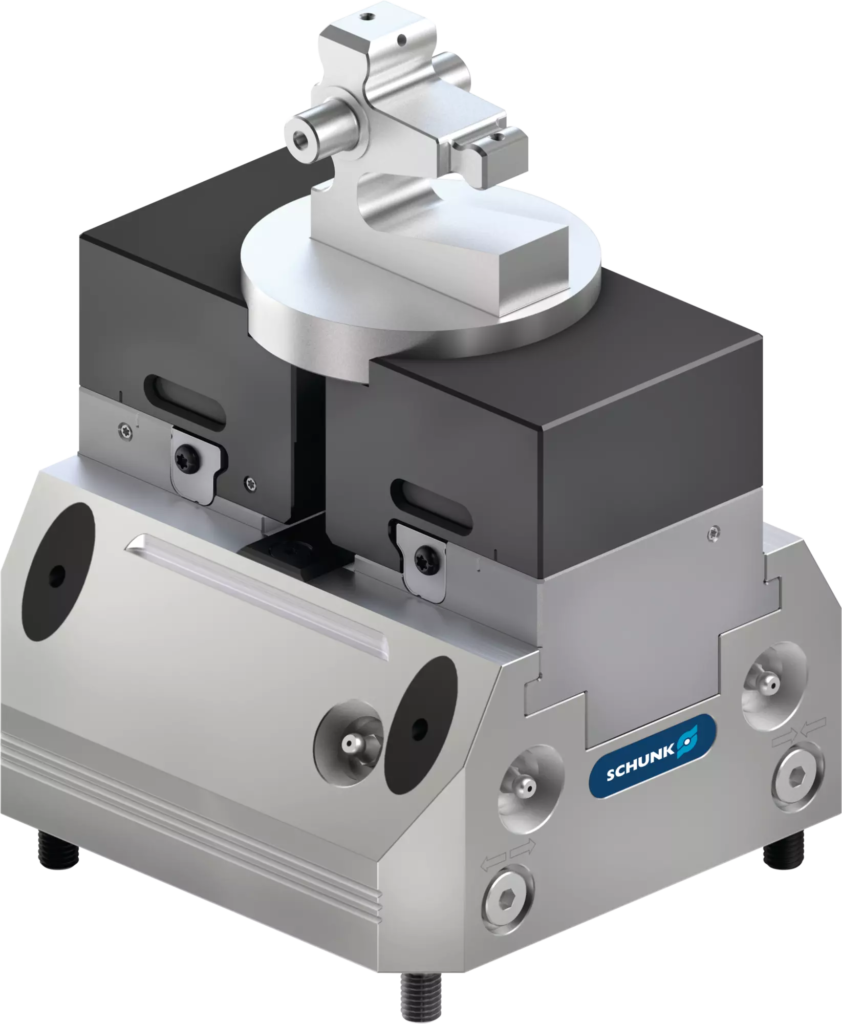
1. High Speed and Efficiency
Pneumatic clamps operate at remarkable speeds, making them perfect for high-volume production environments. Their rapid response time ensures smooth transitions between machining or assembly stages.
2. Consistent Clamping Force
Uniformity is crucial for product quality. Pneumatic clamps deliver consistent force every cycle, eliminating errors caused by manual variations and ensuring tight tolerances.
3. Reduced Operator Fatigue
Manual clamping can be physically demanding, especially during repetitive tasks. Pneumatic systems automate the process, minimizing the workload for operators and enhancing workplace ergonomics.
4. Low Maintenance Requirements
Pneumatic systems have fewer moving parts compared to hydraulic systems, making them easier to maintain. With proper air quality and routine upkeep, they offer long operational lifespans.
5. Safe and Clean Operation
Compressed air is clean and non-toxic, making pneumatic systems suitable for industries requiring high hygiene standards, such as food processing and pharmaceuticals.
6. Cost-Effective Automation
Pneumatic clamps are relatively affordable, yet they provide excellent performance. Their low installation and maintenance costs make them ideal for businesses of all sizes seeking automation solutions.
Applications of Pneumatic Clamping in Modern Industry
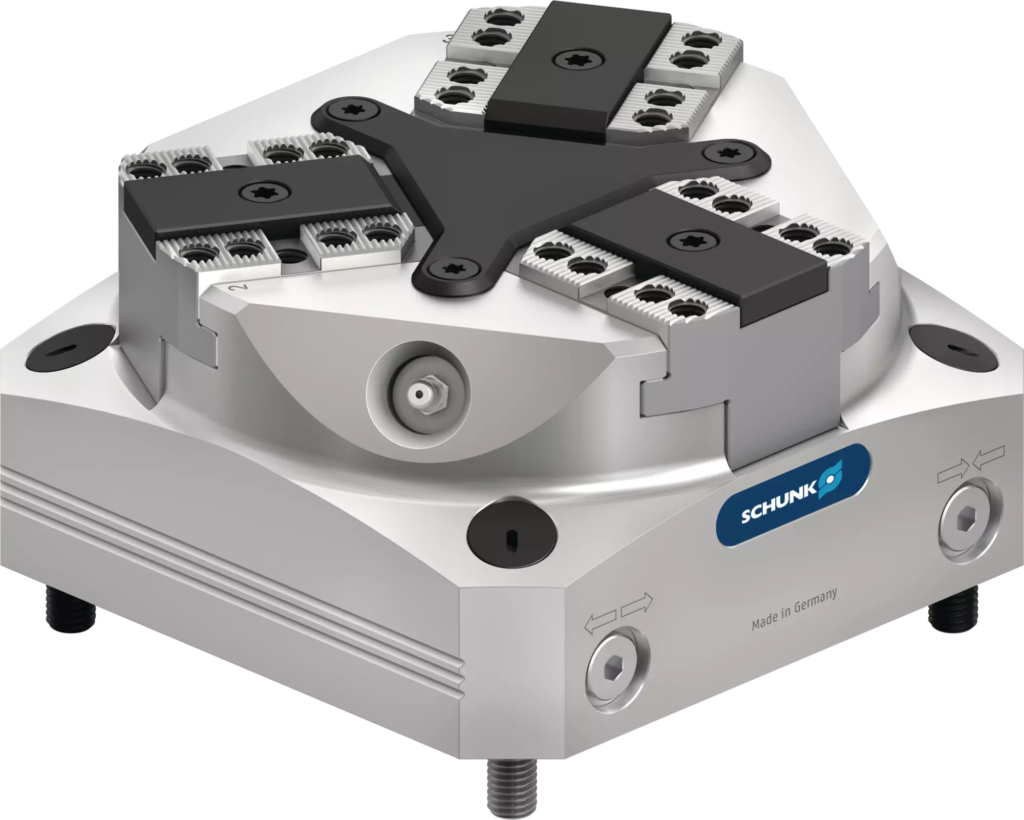
Pneumatic clamping finds application across a wide range of sectors, including:
Automotive Manufacturing
Used for fixture holding, welding, assembly lines, and machining of engine components.
Metalworking and CNC Machining
Ensures stable and precise workpiece holding during milling, turning, drilling, and grinding operations.
Electronics and PCB Assembly
Delicate components require controlled force, which pneumatic clamps can achieve without damage.
Packaging and Material Handling
Clamps help position products accurately, improving speed and consistency in packaging lines.
Robotics and Automation Systems
Pneumatic clamps integrate seamlessly with robotic arms for pick-and-place operations or gripping tasks.
This wide applicability makes pneumatic clamping a foundational technology for modern production lines.
Hydro Pneumatic Clamping System: A Powerful Alternative
While pneumatic clamping excels in speed and simplicity, certain applications require much higher clamping forces. This is where the hydro pneumatic clamping system becomes essential. Combining the high pressure of hydraulics with the fast actuation of pneumatics, these systems deliver powerful clamping without sacrificing cycle time.
They operate by using compressed air to generate hydraulic pressure within a booster system. This hybrid approach allows manufacturers to achieve strong, stable clamping suitable for heavy-duty machining, die-casting, forging, and metal-forming applications.
Key Benefits of Hydro Pneumatic Clamping:
- Extremely high clamping force
- Precision control for heavy machining
- Fast actuation compared to traditional hydraulics
- Reduced energy consumption
- Greater safety and stability
Many industries use both pneumatic and hydro pneumatic systems together, depending on the required force, speed, and production requirements.
Why Pneumatic Clamping Is Crucial for Modern Production Lines
Production lines today must meet demanding standards of quality, efficiency, and flexibility. Pneumatic clamping plays a central role in achieving these goals by offering:
- Rapid and reliable workpiece positioning
- Reduced cycle time
- Improved product quality
- Seamless integration with smart factory technology
- Scalability for future automation upgrades
Its flexibility allows manufacturers to adapt quickly to changes in product design or production volume. Whether creating a new assembly line or upgrading an existing one, pneumatic clamping remains a reliable, cost-effective, and high-performance solution.
Best Practices for Implementing Pneumatic Clamping
To maximize the benefits of pneumatic clamping, industries should follow these best practices:
1. Ensure High-Quality Compressed Air
Moisture, oil, and contaminants can impact pneumatic performance. Using filters and dryers ensures consistent operation.
2. Choose the Right Clamp for the Application
Consider factors such as force requirements, workpiece size, temperature, and environment when selecting a clamp.
3. Maintain Proper Pressure Levels
Incorrect pressure can reduce clamping efficiency or cause damage. Pressure regulators help maintain optimal force.
4. Integrate Sensors for Better Automation
Force sensors, position sensors, and pressure monitors improve precision and safety and allow predictive maintenance.
5. Schedule Regular Maintenance
Periodic inspection of cylinders, valves, and seals ensures long-term reliability and prevents unexpected downtime.
Future Trends in Pneumatic and Hydro Pneumatic Clamping
As factories become smarter and more connected, clamping systems are also evolving. Some upcoming trends include:
- Integration with IoT platforms for remote monitoring
- Energy-efficient systems to reduce air consumption
- Self-diagnosing clamping units with predictive maintenance
- Lighter and more durable materials for clamp arms
- Enhanced safety mechanisms and intelligent control systems
Both pneumatic and hydro pneumatic clamping system solutions will play key roles in shaping next-generation industrial automation.
Conclusion
Pneumatic clamping has become an essential component of modern production lines, offering high speed, accuracy, safety, and cost-effectiveness. Its seamless integration with automation and its ability to handle a wide range of industrial tasks make it a preferred choice across manufacturing sectors. For applications requiring greater force and stability, the hydro pneumatic clamping system provides an excellent alternative, combining power with efficiency. To ensure the highest level of performance and reliability, partnering with leading experts is crucial. Companies like Schunk continue to deliver advanced clamping technologies that help industries achieve superior productivity and precision in every stage of production.