
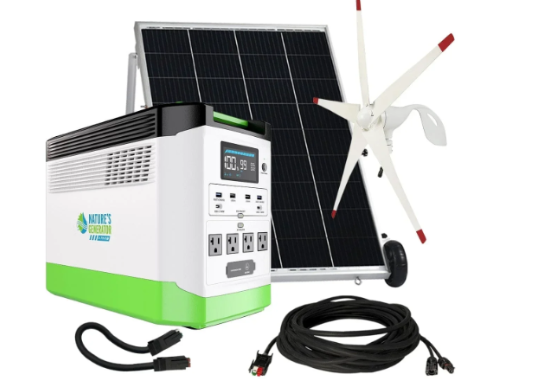
As electricity prices fluctuate and grid reliability becomes less predictable, property owners are increasingly exploring renewable alternatives. Among these options, wind power generators for sale have gained attention for their ability to produce clean energy over extended periods. Buyers often question whether the upfront investment justifies the long-term savings and performance benefits. Factors such as installation costs, wind resource availability, and maintenance requirements must all be carefully assessed. Understanding how modern turbine systems operate and how they compare to other energy solutions is essential before deciding if wind generation is a practical long-term strategy.
Understanding Initial Investment and Installation Costs
Purchasing a small or mid-sized turbine involves more than simply buying equipment. When evaluating wind power generators for sale, buyers must account for tower installation, electrical integration, inverters, wiring, and potential battery storage systems. Site preparation, including foundation work and zoning compliance, can also influence total expenses.
Although the initial cost may appear significant, it is important to assess long-term financial implications rather than focusing solely on upfront pricing. Many wind systems operate efficiently for 20 years or more. Over time, the cumulative savings on electricity bills can offset installation costs, particularly in high-wind regions or remote locations where grid extension fees are substantial.
Evaluating Energy Output and Site Feasibility
The effectiveness of a wind system depends largely on local wind conditions. Before investing in wind power generators for sale, conducting a wind resource assessment is critical to determine whether average wind speeds are sufficient for consistent energy production. Turbines typically perform best in areas with sustained wind speeds above 10 to 12 miles per hour.
Tower height significantly influences performance, as higher elevations capture stronger and less turbulent wind currents. Without adequate wind resources, projected energy output may fall short of expectations, reducing overall return on investment. Proper site evaluation ensures realistic performance projections and prevents costly miscalculations.
Long-Term Durability and Maintenance Requirements
Modern turbine systems are engineered for durability, with many models designed to operate for decades under normal conditions. When considering wind power generators for sale, reviewing manufacturer specifications, warranty coverage, and maintenance schedules is essential. Routine servicing generally includes blade inspection, lubrication of moving parts, and electrical system checks.
Compared to fossil fuel generators, wind turbines have relatively low operating costs once installed. However, periodic maintenance remains necessary to prevent mechanical wear and unexpected downtime. Access to reliable service support and replacement components plays an important role in maintaining long-term efficiency and system reliability.
Financial Incentives and Energy Independence
Government incentives and renewable energy credits can improve the financial outlook for wind investments. In some regions, buyers of wind power generators for sale may qualify for tax credits, rebates, or net metering programs that allow excess electricity to be sold back to the grid. These incentives can shorten the payback period and enhance overall cost-effectiveness.
Beyond direct financial savings, wind systems provide energy independence. For rural properties, farms, or off-grid residences, self-generated power reduces reliance on utility infrastructure. This resilience can be particularly valuable during outages or natural disasters, offering both economic and operational advantages.
Conclusion
Wind energy systems can represent a smart long-term choice when installed in suitable locations with consistent wind resources. While upfront costs require careful budgeting, extended operational lifespan and potential incentives can make renewable generation financially viable over time. For mobile energy applications or complementary power setups, integrating additional components such as an inverter for an RV may further enhance flexibility and overall energy independence. Evaluating site feasibility, maintenance requirements, and expected output is essential to achieving sustainable returns.