Austin’s not slowing down. Not even close. If anything, the Austin new construction scene in 2026 feels like it’s in overdrive again, just in a different way than a few years back. More planned communities, tighter zoning battles, and builders trying to squeeze value out of every inch of land they can still get their hands on.
And buyers? They’re stuck somewhere in the middle of it all. Excited, overwhelmed, sometimes both in the same afternoon.
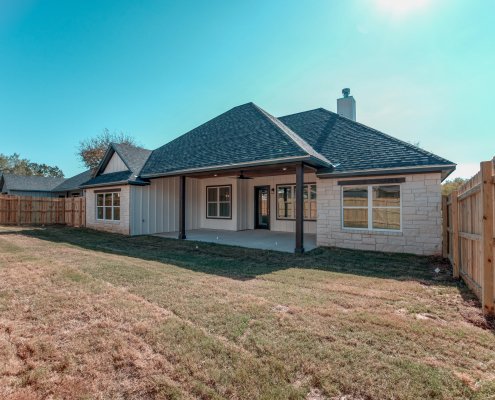
The Reality Behind the Austin New Construction Boom
Let’s not sugarcoat it. Austin’s growth has been wild. Tech money, migration, investors… it all piled in fast. Builders responded the only way they could — more subdivisions, faster timelines, and a lot of cookie-cutter layouts that look great on paper but vary in real life.
The tricky part in 2026 is that land inside the core is basically gone or insanely expensive. So most of the Austin new construction projects are pushed outward – Leander, Manor, Pflugerville, even farther if you’re chasing affordability.
And yeah, you’ll hear sales reps say “just 25 minutes to downtown.” That’s best-case, no traffic, maybe Sunday morning math.
Still, buyers keep coming because newer homes mean lower maintenance, energy efficiency, and less of the “fix this roof in year one” headache you get with older properties.
But there’s a trade-off. Always is.
What’s Changed in 2026 (And Buyers Need to Pay Attention)
The market feels different now compared to the early boom years.
First, incentives. Builders are throwing them around again — rate buydowns, closing cost help, upgrades thrown in last minute. It’s not desperation exactly, but it’s not arrogance either. It’s competition.
Second, timelines are less predictable. A lot of new home builds in Austin projects are still dealing with supply chain lag in weird pockets. Not everywhere, but enough to matter. A “6-month build” can still quietly become 9 months. Sometimes more. Nobody likes hearing that on day one, but it happens.
Third, pricing isn’t as linear as people think. You’ll see one street priced $30K higher than another for what looks like the same floor plan. Then you find out it’s lot premium, or orientation, or just… builder strategy. It’s not always obvious.
And honestly, that’s where buyers get caught slipping. They compare square footage like it’s the only thing that matters. It isn’t.
Location Trade-Offs and the Suburban Expansion Problem
Here’s the thing nobody wants to say out loud: Austin is spreading fast, maybe a little too fast.
The farther out you go, the more you get house-for-dollar value. Bigger yards. New schools. Clean sidewalks that still feel like they were installed yesterday.
But commute times stretch. Infrastructure hasn’t fully caught up in some areas. And internet, utilities, even grocery access — they can feel a bit “in progress.”
Still, demand keeps pushing outward. That’s just the pattern now.
Some buyers don’t care. They’re remote workers, or they’ve already accepted the trade. Bigger house, longer drive, quieter evenings. Others try it and bounce back closer in after a year or two.
There’s no universal answer here. Just trade-offs.
Builder Quality Isn’t One-Size-Fits-All
This part matters more than people realize.
Not all builders in Austin are equal. Some are solid, consistent, detail-focused. Others… let’s just say they’re efficient, but not always careful.
In new home builds in Austin, you’ll notice differences even within the same neighborhood. One house feels tight and well-finished. The next one over has minor drywall issues, uneven trim, or a door that sticks just enough to annoy you forever.
Inspection still matters. A lot. Even on brand new homes. Don’t let anyone tell you otherwise.
And don’t rush through walkthroughs just because you’re excited. That excitement costs people real money later.
Interest Rates, Affordability, and Buyer Psychology
Rates are still shaping behavior in 2026. Even small shifts change monthly payments enough to push buyers into or out of certain neighborhoods.
Builders know this. That’s why you see those “special financing” offers everywhere. It’s not charity, it’s math. They want you in the door, locked in, closing.
Buyers, on the other hand, are adapting. Some are going smaller. Some are pooling income in ways we didn’t see as often a few years ago. Others are waiting it out, which is its own gamble.
The truth? Waiting doesn’t always make Austin cheaper. It just changes what’s available.
Conclusion: So What Should Buyers Actually Do?
Look, the Austin new construction market in 2026 isn’t something you “figure out” in a weekend. It takes digging, patience, and being okay with imperfect options.
The smart buyers right now are flexible but not careless. They ask about lot premiums. They push back on timelines. They don’t assume every upgrade is worth it. And they definitely don’t rush just because a sales agent says “this one won’t last.”
If you’re exploring new home builds in Austin, think less about hype and more about long-term livability. Commute, schools, build quality, future resale — all of it matters more than the staged model home smell.
Austin’s still growing. Still changing. Maybe even a little chaotic. But that’s kind of the deal here.
Buy smart, slow down when it feels rushed, and don’t ignore the small details. That’s where the real difference shows up years later.