
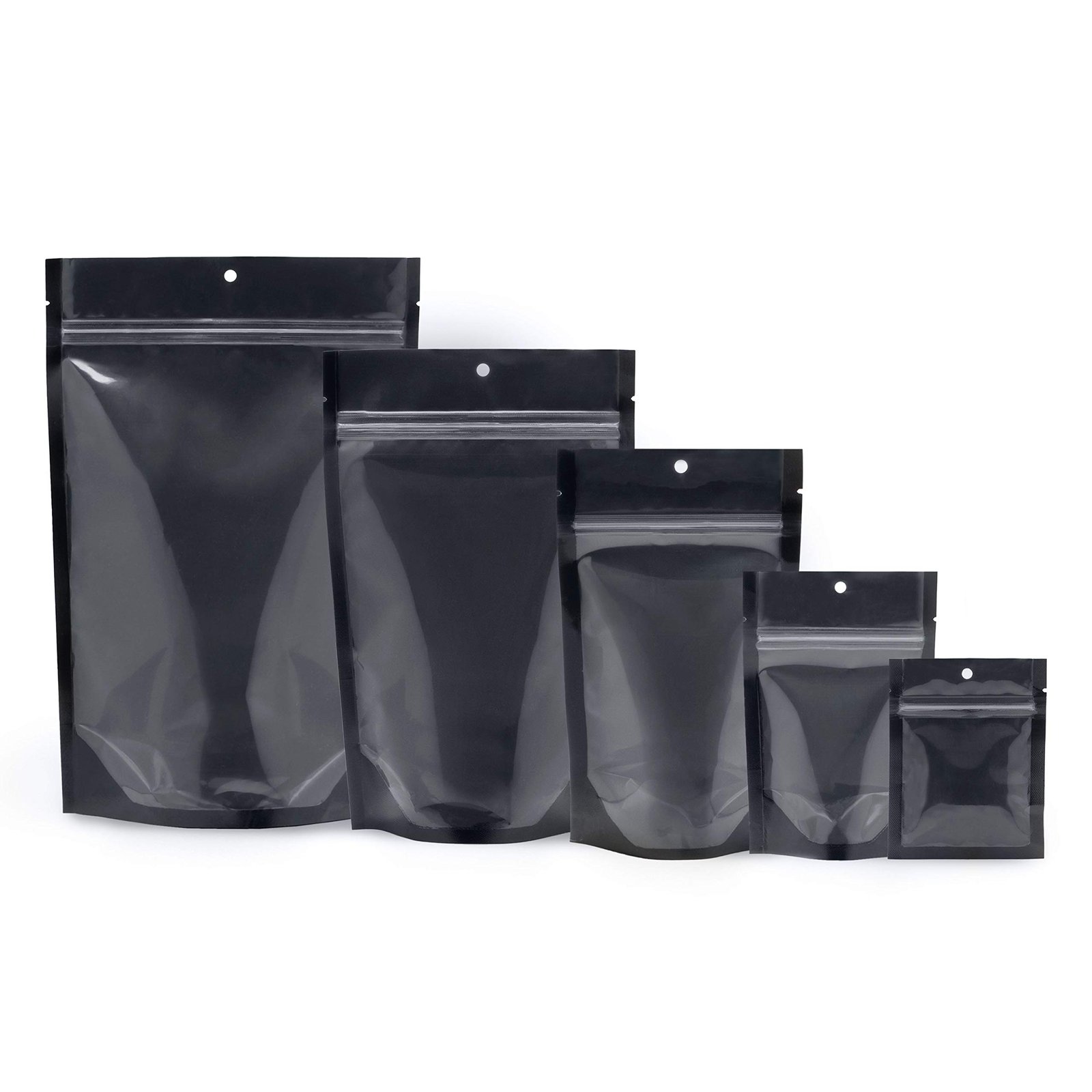
Packaging is more than just a container—it’s the final step that ensures freshness, safety, and presentation. Whether you’re sealing snacks, coffee, medical supplies, or retail items, the right packaging equipment matters. Among the most widely used tools in both commercial and household settings is the bag sealer heat seal machine.
These machines are designed to create airtight, tamper-proof seals on plastic or foil packaging, extending product shelf life while ensuring professional results. In this guide, we’ll explore everything you need to know about heat seal bag sealers: what they are, how they work, types, benefits, and answers to the most common questions.
What Is a Bag Sealer Heat Seal Machine?
A bag sealer heat seal machine is a device that uses controlled heat and pressure to bond layers of packaging material together. By melting and fusing the inner layers of plastic or foil bags, it creates a secure closure that protects the contents from air, moisture, and contaminants.
Heat sealers are used across industries, including:
- Food packaging (snacks, coffee, frozen goods, baked items)
- Medical supplies (sterile pouches, instruments)
- Retail products (cosmetics, electronics, hardware parts)
- E-commerce (shipping bags, bubble mailers)
How Does a Heat Sealer Work?
The working principle is straightforward:
- Insert the Bag – The open end of the bag is placed between the sealing bars.
- Apply Heat and Pressure – The machine’s sealing element heats up and presses the material layers together.
- Bond Formation – Heat melts the inner layer of the bag, and pressure fuses it into a tight seal.
- Cooling – The seal cools down within seconds, locking the contents securely inside.
This process ensures a professional, tamper-evident closure suitable for storage, shipping, or retail display.
Types of Bag Sealer Heat Seal Machines
Different applications require different sealing machines. The main types include:
- Impulse Heat Sealers
- Heat is applied only when the machine is in use.
- Energy-efficient and safe.
- Ideal for polyethylene, polypropylene, and other thermoplastic bags.
- Constant Heat Sealers
- Sealing bars remain hot continuously.
- Suitable for thicker materials like foil, cellophane, and coated bags.
- Often used in industries requiring stronger seals.
- Handheld Heat Sealers
- Small, portable devices.
- Perfect for home use, small businesses, or sealing snack bags.
- Foot-Operated Sealers
- Operated with a pedal for hands-free sealing.
- Great for medium-volume production.
- Automatic & Continuous Band Sealers
- Conveyor systems feed bags through continuously.
- Best for large-scale packaging operations.
Benefits of Using Heat Seal Bag Sealers
- Preserves Freshness
- Protects products from air, humidity, and contamination.
- Protects products from air, humidity, and contamination.
- Professional Appearance
- Creates neat, uniform seals that enhance brand presentation.
- Creates neat, uniform seals that enhance brand presentation.
- Tamper Resistance
- Sealed packaging reassures customers about product safety.
- Sealed packaging reassures customers about product safety.
- Versatility
- Works with various materials: polyethylene, mylar, foil, and more.
- Works with various materials: polyethylene, mylar, foil, and more.
- Cost-Effective
- Reduces product waste and extends shelf life, saving money long term.
- Reduces product waste and extends shelf life, saving money long term.
- Customization
- Adjustable heat and pressure settings allow for different bag thicknesses.
Applications of Heat Sealer Bag Sealers
- Food Industry – Chips, nuts, frozen vegetables, baked goods.
- Medical Sector – Sterile equipment and pharmaceutical packaging.
- Retail – Jewelry, clothing accessories, cosmetics.
- Agriculture – Seeds, fertilizers, and soil packaging.
- E-commerce – Poly mailers and protective bubble bags.
Choosing the Right Heat Sealer
When selecting a bag sealer, consider:
- Bag Material – Polyethylene, foil, mylar, or specialty films.
- Bag Thickness – Thicker bags require stronger machines.
- Sealing Frequency – Low use (handheld) vs. high-volume (automatic).
- Seal Width – Wider seals provide extra security.
- Budget – Prices vary from small home devices to industrial-grade machines.
Maintenance Tips for Heat Sealers
- Clean the Sealing Bar regularly to prevent residue buildup.
- Replace Teflon Strips when worn out for consistent sealing.
- Avoid Overheating by setting correct temperature levels.
- Test Seals before bulk production.
- Store Properly when not in use to prolong machine life.
Common Mistakes to Avoid
- Incorrect Temperature Setting – Too hot can burn the bag, too cold may result in weak seals.
- Overstuffing Bags – Makes it difficult to create a clean closure.
- Using Wrong Type of Sealer – Impulse models can’t handle foil, while constant heat models may overheat thin plastics.
- Neglecting Maintenance – Dirt and worn components lead to inconsistent seals.
Final Thoughts
A bag sealer heat seal machine & Pet Food Bags is one of the most practical tools for both businesses and households. From ensuring food freshness to securing retail products, these machines deliver reliability, professionalism, and long-term cost savings. With options ranging from small handheld sealers to high-speed industrial models, there’s a heat sealer for every need.
By understanding your packaging material, production volume, and budget, you can choose the right sealer that keeps your products safe, fresh, and market-ready. In today’s competitive environment, investing in a quality heat sealer is more than convenient—it’s a strategic decision that enhances both customer satisfaction and brand credibility.
FAQs
Q1: What materials can be sealed with a heat sealer?
Polyethylene, polypropylene, mylar, foil laminates, and other thermoplastic materials.
Q2: Do I need a constant or impulse heat sealer?
Impulse is best for plastics, while constant heat sealers are used for foil and multi-layered bags.
Q3: Can heat sealers be used at home?
Yes—handheld and impulse sealers are affordable and perfect for household use like sealing snacks or meal prep bags.
Q4: How strong is the seal?
If done correctly, seals are airtight, leak-proof, and tamper-resistant.
Q5: What seal width should I choose?
Standard is 2–5mm, but heavy-duty packaging may require up to 10mm wide seals.
Q6: How long does it take to seal a bag?
Typically 1–3 seconds for impulse sealers; continuous band sealers work much faster.
Q7: Do I need special power requirements?
Most handheld and desktop sealers run on standard household outlets. Industrial models may need higher voltage.
Q8: Can I print on sealed bags?
Yes, many continuous band sealers come with coding or date-stamping options.