What Beginners Actually Need (and What They Don’t)
A common mistake beginners make is assuming they need a full professional kit from day one. In reality, your early focus should be on learning technique, building timing, and enjoying the game.
Your first kit should:
- Feel comfortable for long sessions
- Allow natural movement
- Offer enough protection without restricting confidence
Anything that distracts you — slipping pads, heavy bats, stiff gloves — becomes a barrier to learning.
Choosing the Right Cricket Bat: Control First, Power Later
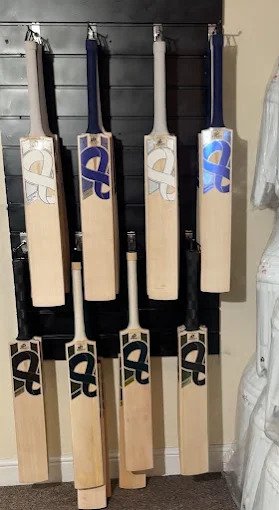
The bat is the most important part of a beginner’s kit, and also where the biggest mistakes happen. Many new players choose a bat that’s too heavy because it “looks powerful.” In practice, that weight often leads to poor timing, late shots, and sore wrists.
What to Prioritise in a Beginner Bat
- Pickup over weight: A bat that feels light when lifted matters more than the number printed on it.
- Balanced profile: Weight should be evenly distributed, not dragging at the toe.
- Comfortable handle: Beginners benefit from handles that reduce vibration and offer consistent grip.
Beginners don’t need the highest-grade willow, but they do benefit from bats that are properly shaped and pressed. This is why many coaches suggest learning with quality craftsmanship rather than mass-produced options — as explained in this guide on handmade cricket bats UK, which highlights how bat balance and pickup matter more than labels when starting out.
Bat Size Matters More Than Most People Think
Another frequent issue is bat length. Taller players often assume they need the longest bat available, while shorter players worry they’ll be underpowered with smaller sizes.
A simple rule of thumb:
- Stand the bat upright next to you.
- The top of the handle should reach between your hip and waist.
If you’re unsure between sizes, go slightly shorter. You’ll develop timing and shot control faster, especially when learning defensive strokes and basic drives.
Batting Gloves: Protection Without Losing Feel
Batting gloves should protect your hands while still letting you feel the bat. Gloves that are too stiff or bulky can cause beginners to grip too tightly, which leads to tension and slower improvement.
What to Look For
- Soft padding that flexes easily
- Comfortable finger splits
- Secure but simple wrist closure
Insider tip: Try holding a bat while wearing the gloves. If you immediately feel disconnected from the handle, those gloves may work against you rather than for you.
Batting Pads: Fit Is More Important Than Thickness
Thick pads look reassuring, but fit is what actually matters. Poorly fitted pads twist while running, dig into the knees, or restrict foot movement — all of which affect balance and confidence.
Good beginner pads should:
- Cover knee to ankle properly
- Stay in place while moving
- Feel light enough for repeated footwork drills
I’ve seen beginners improve their front-foot play simply by switching to pads that allowed freer movement.
Helmet: Confidence Through Comfor
Some beginners hesitate to wear helmets early on, especially in net sessions. While that’s understandable, a comfortable helmet can actually make learning easier by removing fear from the equation.
Look for:
- A snug but pressure-free fit
- Clear visibility through the grill
- Easy adjustment at the back
Once you trust your helmet, you’re more likely to watch the ball closely — a habit that makes a huge difference at every level.
Cricket Shoes: The Silent Performance Booster
Cricket shoes are often overlooked, but they affect balance, stability, and injury prevention. Playing in general trainers can lead to slipping, especially during quick singles or lateral movement in the field.
Choose shoes based on surface:
- Rubber soles for artificial wickets
- Studded shoes for natural grass pitches
Insider tip: Proper grip doesn’t just help fielding — it improves balance at the crease, particularly when learning to play straight-bat shots.
Kit Bag: Keep It Practical
You don’t need a large wheelie bag when starting out. A medium-sized duffel or backpack-style kit bag is usually enough.
Useful features include:
- A separate bat compartment
- Ventilated space for shoes
- Comfortable straps for carrying
If transporting your kit feels awkward, it subtly affects how often you want to practise.
Optional Gear You Can Add Later
Beginners often feel pressure to buy everything immediately. In reality, you can wait before adding:
- Thigh pads
- Arm guards
- Advanced inner gloves
Once you understand your playing position and comfort level, these additions make more sense.
A Personal Observation from the Nets
Over the years, I’ve noticed something consistent: beginners who choose lighter, simpler gear tend to improve faster. They move better, react quicker, and enjoy sessions more. Those who overload themselves with heavy equipment often play cautiously, as if the kit is controlling them instead of the other way around.
Cricket is challenging enough — your equipment shouldn’t add resistance.
Putting the Beginner Kit Together
The best cricket kit for beginners is not about prestige or appearance. It’s about:
- Feeling comfortable from the first session
- Supporting correct technique
- Growing with you as your skills develop
Take time to test gear where possible. Ask experienced players what they would change about their first kit — many will say they wish they’d kept things simpler.
Final Thoughts
Cricket rewards patience, repetition, and confidence. Your first kit should support those values, not distract from them. Focus on fit, balance, and feel. Learn the game with equipment that works with you, and progress will follow naturally.
Also read for more information so click here.