
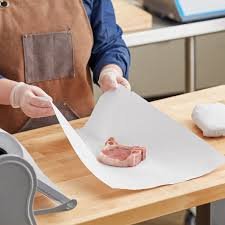
Butcher paper plays a critical role in food handling, packaging, and professional kitchens. It is valued for its durability, breathability, and versatility. From wrapping fresh cuts of meat to serving barbecue and protecting work surfaces, this material offers practical benefits that many alternatives cannot match.
Unlike plastic wraps or foil, this paper allows airflow. That feature helps preserve texture while reducing excess moisture. Because of this balance, it is commonly used by meat processors, smokehouses, caterers, and home cooks who want better results.
The popularity of this paper has grown beyond butcher shops. Restaurants, food trucks, bakeries, and even craft businesses now rely on it for daily operations.
What Makes This Paper Different From Other Wrapping Materials
Several characteristics separate it from waxed or coated options. Understanding these differences helps buyers choose correctly.
Key Functional Properties
- Breathable surface that prevents sogginess
- High tensile strength to resist tearing
- Absorbs light moisture without leaking
- Safe for direct food contact when uncoated
Flexible enough for wrapping irregular shapes
These properties make it useful in both raw food handling and cooked food presentation.
Common Types Available in the Market
Not all paper is the same. Different types serve different purposes, and choosing the wrong one can affect food quality.
White Paper
- Often used in deli counters
- Clean appearance for customer-facing use
- No added coatings
- Ideal for fresh meats and sandwiches
Pink or Peach Paper
- Popular in barbecue cooking
- Maintains moisture while allowing smoke flow
- Prevents meat from drying out
- Common in smokehouses and grills
Brown Kraft-Style Paper
- Strong and economical
- Used for bulk wrapping and table covers
- Suitable for packaging and crafts
Often chosen for sustainability reasons
Each type has its place depending on the task and environment.
Food Safety and Handling Considerations
Food contact materials must meet safety expectations. High-quality paper designed for food use is free from dyes, coatings, and harmful additives.
Best Safety Practices
- Use only food-grade products
- Avoid paper with glossy or waxy coatings for heat exposure
- Store in a dry, clean area
- Discard after single use with raw proteins
Professional kitchens follow these steps to maintain hygiene and compliance.
Cooking and Heat Resistance Explained
Many cooks want to know how this paper performs under heat. While it is not designed for direct flames, it works well in controlled cooking environments.
It is frequently used during smoking and slow cooking. The breathable surface allows heat circulation while protecting food from drying out.
Heat-Related Uses
- Wrapping meats during smoking
- Resting cooked proteins
Lining trays fo - r indirect heat exposure
- Covering food during holding
One common question is can butcher paper go in the oven, and the answer depends on temperature limits and paper quality. Food-grade, uncoated versions can handle moderate heat for specific applications, but they should never touch heating elements or open flames.
Uses Beyond Meat and Barbecue
This material is no longer limited to meat processing. Its adaptability makes it useful across industries.
Restaurant and Catering Applications
- Tray liners for casual dining
- Sandwich wraps
- Table covers for events
- Food basket liners
Packaging and Retail
- Wrapping bakery items
- Protecting fragile goods
- Branding with custom stamps
- Eco-friendly gift wrapping
Home and Creative Uses
- Craft projects
- Kids’ art surfaces
- Pattern tracing
- Moving and storage protection
Its versatility continues to drive demand across multiple sectors.
Environmental Advantages
Sustainability is a growing concern. Many businesses are shifting away from plastic-based wraps.
Eco-Friendly Benefits
- Made from natural fibers
- Biodegradable and recyclable
- No plastic coatings in food-grade versions
- Lower environmental impact than foil
These benefits appeal to environmentally conscious buyers and customers alike.
How to Choose the Right Option for Your Needs
Selecting the right paper requires understanding your primary use.
Buying Considerations
- Intended use (food, packaging, crafts)
- Required roll width and length
- Uncoated vs coated surface
- Strength and thickness
- Storage space
For food service operations, sourcing from trusted suppliers matters. Companies like butcherpapers.com provide reliable, food-grade options suitable for professional environments.
Storage and Handling Tips for Longevity
Proper storage ensures consistent performance.
Storage Guidelines
- Keep away from moisture
- Store in original packaging
- Avoid direct sunlight
- Use dispensers for clean cutting
Following these steps prevents contamination and waste.
Cost Efficiency for Businesses
Bulk purchasing reduces long-term costs. Compared to disposable plastic products, this paper offers better value through versatility.
Why Businesses Prefer It
- One product, many uses
- Reduced need for multiple materials
- Easy disposal
- Positive customer perception
These factors contribute to operational efficiency.
Myths and Misunderstandings
Some misconceptions lead to misuse.
Common Myths
- All paper is heat-safe
- Thicker always means better
- Coated paper is safer for cooking
- Any brown paper is food-grade
Understanding specifications prevents mistakes and improves results.
FAQs
Is this paper safe for direct food contact?
Yes, when it is food-grade and uncoated. Always verify product specifications.
Can it replace foil for cooking?
It depends on the cooking method. It works well for smoking and resting but not for open flames.
Does it affect food flavor?
No. High-quality paper is neutral and does not transfer taste.
Is it recyclable after use?
Unused or lightly used sheets are recyclable. Paper exposed to raw meat should be discarded.
How do restaurants typically use it?
They use it for wrapping, tray lining, food presentation, and prep surface protection.
Final Thoughts
This material remains a reliable solution for food handling, cooking support, packaging, and sustainability-focused operations. Its balance of strength, breathability, and safety makes it a preferred choice across professional and home settings.
When sourced correctly and used properly, butcher paper delivers consistent performance while supporting efficiency and environmental responsibility. Choosing the right type ensures better food quality, smoother workflows, and satisfied customers.