
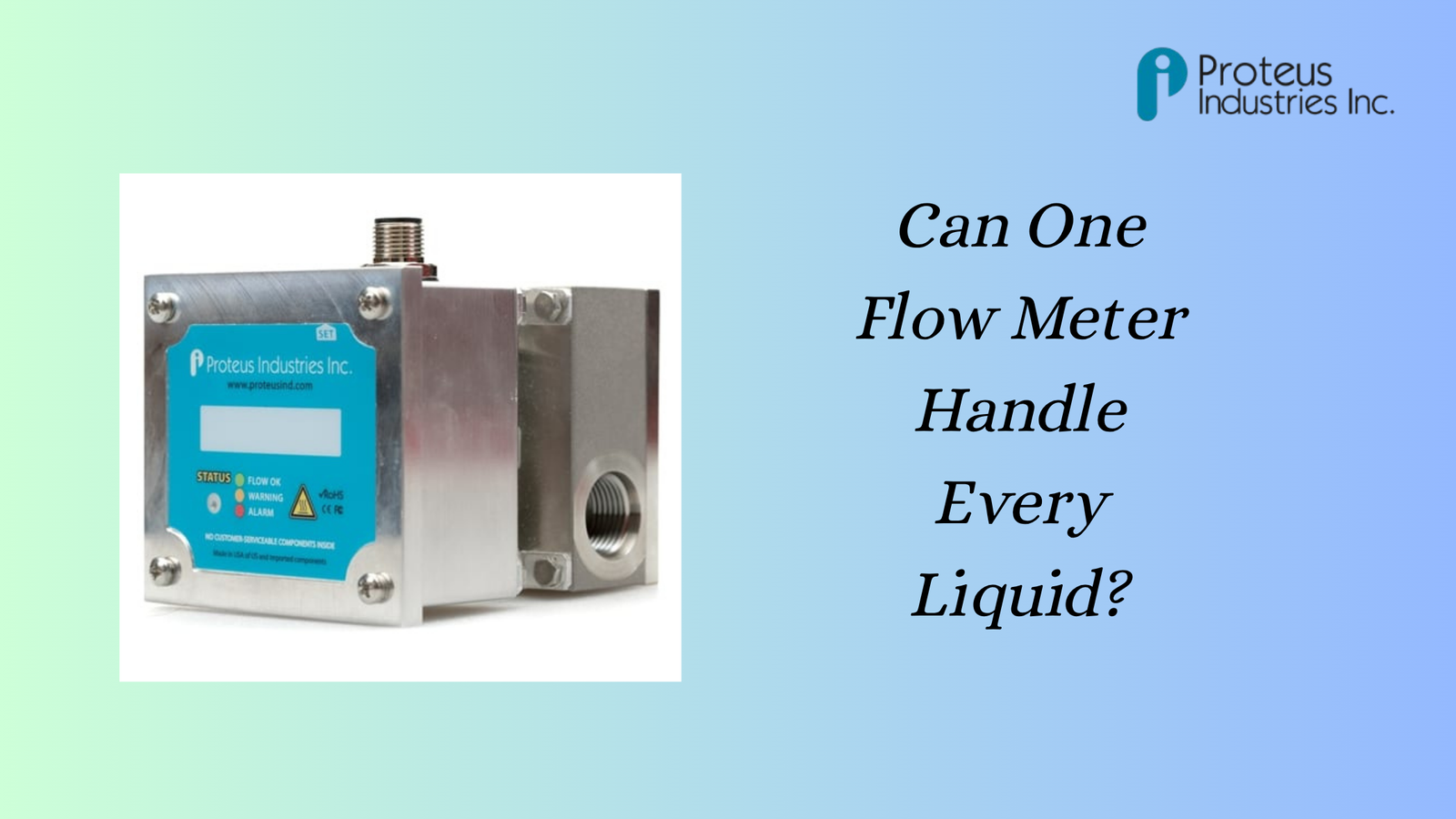
Imagine if engineers could just buy one device, attach it to any pipe, and measure everything from liquid nitrogen to heavy crude oil—no manual needed. That’s the dream behind the idea of a “Universal Flow Meter.”
Anyone who has cleaned a clogged turbine or watched an electromagnetic meter fail to read deionized water knows the truth. The answer is no—there isn’t a single “magic” flow meter for every liquid. But knowing why, and how close we can get, is essential for mastering fluid dynamics.
The “Universal” Problem: Why One Size Doesn’t Fit All
Liquids can be unpredictable. For a flow meter, “liquid” means dealing with many different variables. To see why one meter can’t handle everything, let’s look at the four main challenges:
1. The Conductivity Barrier
Electromagnetic flow Electromagnetic extreme temperature liquid flow meters, or Mag meters, are widely used because they have no moving parts and are very reliable. But they work based on Faraday’s Law of Electromagnetic Induction, so the liquid must be conductive for them to function.y to run pure distilled water, hydrocarbons, or oils through a Mag meter, and it will read zero. These liquids don’t have the free ions necessary to create a voltage signal.
2. The Viscosity Trap
Meters like Turbine or Paddlewheel types use the fluid’s movement to spin a rotor.
- These meters work well for water. But if you switch to molasses or heavy gear oil, the higher viscosity makes it hard for the rotor to turn. Sometimes, the liquid is so thick that it causes a big pressure drop, which can even damage your pump.
3. The Particulate Problem
Ultrasonic meters come in two main types: Transit-time and Doppler.
- The Fail Point: Transit-time extreme temperature liquid flow meters need crystal-clear liquids to send a sound wave across tTransit-time meters need very clear liquids to send a sound wave through the pipe. If the liquid is dirty or has air bubbles, the signal won’t get through. On the other hand, Doppler meters need bubbles or particles to reflect the sound. So, you can’t use a Doppler meter on ultra-pure water, and you can’t use a standard Transit-time meter on raw sewage.inutes if you run sulfuric acid through it. The internal liners (PFA, Ceramic, Rubber) and the electrodes (Stainless steel, Hastelloy, Tantalum) must be chemically “invisible” to the fluid. There is no single material that is 100% immune to every chemical on Earth.
The Contenders: Who Comes Closest?
Even though there isn’t a true “Universal” meter, two types come close.
The Coriolis Meter: The “Heavyweight Champion”
If there were a winner for versatiIf any meter stands out for versatility, it’s the Coriolis meter. It measures mass instead of volume, so it isn’t affected by changes in temperature or pressure.about conductivity, viscosity, or flow profile. It can measure peanut butter just as easily as it measures gasoline.
- The downside is that Coriolis meters are expensive, heavy, and have trouble with fluids that contain a lot of bubbles.
The Ultrasonic Clamp-On: The “Versatility King”
These meters attach to the outside of the pipe, so they never touch the liquid. This instantly solves problems with chemical compatibility and pressure drop.
- Why it’s closWhy is it versatile? You can move it from a water line to a chemical line in just a few minutes.It is highly sensitive to the pipe material and the presence of bubbles/solids.
How to Choose (Without Losing Your Mind)
Since there’s no single meter for every job, you need a strategy to choose the right one. Try using the STAMP method:
- S – Size: What is the pipe diameter? (Some meters don’t scale well to 24-inch mains).
- T – Temperature: Is the liquid boiling or cryogenic?
- A – Application: Is this for high-accuracy billing or just to see if a pump is running?
- M – Media: Is it clean, dirty, conductive, or corrosive?
- P – Pressure: Can the meter housing handle the system’s force?
The Hidden Cost of “Making It Work”
Many operators try to force a meter to be universal by recalibrating it foSome operators try to make a meter work for everything by recalibrating it for different fluids. While this can be done, it often causes measurement drift.housands of dollars per day. In the world of flow, “close enough” is rarely good enough.
Summary Table: Which Meter for Which Liquid?
| Tap Water/Waste | Electromagnetic | Cheap, reliable, handles solids. |
| Ultra-Pure Water | Ultrasonic (Transit-time) | No contamination, highly accurate. |
| Oils/Solvents | Positive Displacement | Handles high viscosity with ease. |
| Chemicals/Acids | Mag Meter (with PFA liner) | Excellent chemical resistance. |
| Gases/Steam | Vortex Shedding | Handles high velocity and temp. |
Final Verdict: The “Universal” Myth
Looking for one meter that can handle every liquid is like wanting a single vehicle to win a Formula 1 race, haul 40 tons of logs, and fly across the ocean. The physics of fluids—viscosity, conductivity, and density—are just too different for one design to handle them all.
Rather than searching for a universal meter, find a partner—a technology or brand—that understands the details of your industry.
Would you like a customized selection guide for the specific liquids used in your facility?

