
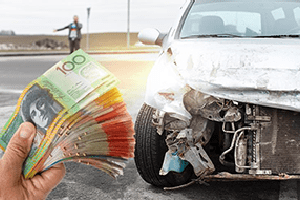
If you have an old, unwanted, or broken-down vehicle sitting in your driveway, you might not realise the impact it can have on the environment. Cars left unused tend to leak harmful fluids, break down into waste, and contribute to pollution. But there’s a simple solution that benefits both the planet and your pocket: cash for cars services.
This blog explains how cash for cars programs in Australia support eco-friendly car disposal, reduce environmental harm, and make it easy for everyday people to take part in building a cleaner future.
The Environmental Problem With Old Vehicles
Every car contains a mix of metals, plastics, rubber, oils, and chemicals. Over time, when left unused, these materials break down and start to pollute the environment. Oils leak into the soil, batteries corrode, and tyres release microplastics.
According to the Australian Bureau of Statistics, there were over 20 million registered motor vehicles in Australia as of 2023. With such a large vehicle population, even a small percentage of abandoned or poorly disposed of cars can lead to significant environmental damage.
How Cash for Cars Works
Cash for cars services offer to collect unwanted vehicles often for free and pay you based on the car’s condition, age, and salvageable parts. These businesses then either recycle the car or sell parts that are still usable. It’s a simple and convenient way to get rid of a vehicle you no longer need. If you’re looking for a quick and hassle-free option, cash for unwanted cars Sydney services make the entire process efficient and rewarding.
But beyond the convenience, there’s a larger benefit: these services follow proper recycling processes that reduce the car’s impact on the environment. This makes it much better than leaving the car to rot or dumping it illegally.
Reducing Waste Through Vehicle Recycling
When your car is picked up through a cash for cars program, it doesn’t just get crushed and dumped. Recyclers carefully separate materials like:
- Steel and aluminium: These metals are reused in construction and manufacturing.
- Rubber from tyres: Recycled into mats, playground surfaces, or road materials.
- Plastic components: Shredded and turned into new plastic products.
- Batteries: Sent to facilities that safely extract and reuse lead and acid.
- Engines and gearboxes: If still working, they’re cleaned and resold.
According to the Australian Council of Recycling, around 85% of a car’s materials can be recycled. That means less waste in landfills and fewer raw materials mined from the Earth.
Preventing Toxic Leaks and Soil Contamination
Old vehicles that sit unused often leak harmful substances such as engine oil, brake fluid, and coolant. These fluids can seep into the ground and, over time, reach groundwater or local waterways. This affects not only plants and animals but also human health.
One litre of used motor oil can contaminate up to one million litres of water, according to Australia’s Used Oil Recycling Program. Proper car recycling ensures all fluids are drained and disposed of safely, preventing this kind of damage.
Helping Reduce Greenhouse Gas Emissions
Recycling metal uses far less energy than producing new metal from raw materials. By reusing the steel from your old car, manufacturers avoid mining, refining, and transporting new ore. This leads to fewer greenhouse gas emissions.
For example, recycling one tonne of steel saves about 1.5 tonnes of carbon dioxide emissions, according to Planet Ark. If more Australians recycled their cars instead of letting them decay, it could significantly reduce the country’s carbon footprint.
Encouraging a Circular Economy
A circular economy means keeping products and materials in use for as long as possible. Cash for cars supports this by giving unwanted vehicles a second life. Instead of throwing things away, valuable parts are refurbished, reused, or recycled.
This reduces the demand for new materials and lowers overall waste production. It also helps industries that rely on recycled components, such as car repair businesses and manufacturing plants.
Legal and Safe Car Disposal
In some areas of Australia, abandoning a vehicle is illegal and can result in council fines. Cash for cars services are a legal, safe, and approved method of vehicle disposal. Reputable businesses are licensed and follow environmental guidelines for handling fluids, parts, and scrap. Many of these services also offer car collection Sydney, making it even more convenient to dispose of your vehicle responsibly.
If your car is no longer registered or roadworthy, don’t risk a fine or polluting your property. A cash for cars service can remove it legally and responsibly.
A Win-Win for You and the Environment
Here’s a quick comparison of what happens when you ignore an old car versus when you choose a cash for cars solution:
| Action | Impact |
| Leaving it to rot | Soil pollution, fluid leaks, battery acid damage |
| Dumping it illegally | Legal fines, council removal fees, environmental harm |
| Using cash for cars | Safe recycling, reduced pollution, earn quick cash |
By making a small decision today—choosing to recycle your car—you’re making a meaningful contribution toward a cleaner Australia.
Choosing the Right Cash for Cars Service
Not all car removal services are the same. Look for a company that:
- Offers free pickup across your region
- Is licensed and follows environmental rules
- Pays fairly for your car’s condition and weight
- Clearly explains the recycling process
- Handles paperwork and de-registration
This ensures your car doesn’t just disappear—it goes to a facility where it’s handled with care and respect for the environment.
Final Thoughts
Letting an old car sit around might seem harmless, but over time, it can do real damage to the environment. From leaking fluids to rust and waste, these cars become more of a problem than most people realise.
Cash for cars isn’t just about convenience or earning some money. It’s about making a conscious choice to reduce waste, recycle valuable materials, and protect our land and water. Every car responsibly recycled is a small step toward a cleaner, greener Australia.
Find more insightful blogs here.


