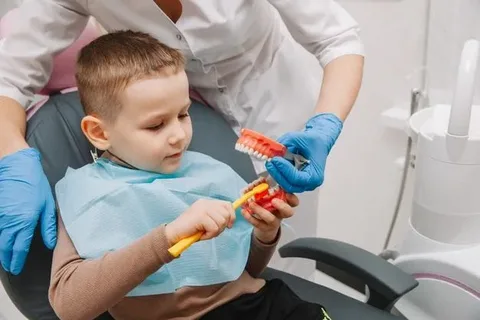
Children’s dental health plays a critical role in their overall growth, comfort, and confidence. From early childhood through school years, kids are vulnerable to a range of dental problems that, if ignored, can lead to pain, infection, and long-term oral health issues. Parents often search for answers when a child experiences tooth pain at night, cavities, or signs of infection in baby teeth. This article explains the most common kids’ dental problems, their causes, warning signs, and the best available treatments along with guidance on when to visit a pediatric dentist near me for professional care.
Why Are Children More Prone to Dental Problems?
Children’s teeth are still developing, and their oral hygiene habits are not always consistent. Combined with frequent snacking, sugary foods, and difficulty expressing pain, dental problems can progress quickly in kids. Common contributing factors include:
- Incomplete brushing and flossing
- Frequent sugary snacks or drinks
- Prolonged bottle or sippy cup use
- Weak enamel in baby teeth
- Delayed dental visits
Early detection and routine dental care significantly reduce complications.
Dental Problems and Treatments
Following are the common dental problems and their effective treatments:
1. Tooth Decay in Children
Tooth decay is the most common dental problem in children. It occurs when plaque bacteria feed on sugars and produce acids that weaken and break down tooth enamel.
Signs of Tooth Decay
Following are the symptoms:
- White or brown spots on teeth
- Sensitivity to hot or cold
- Pain while chewing
- Visible holes or pits
Treatment
Following are the treatments:
- Fluoride treatments to strengthen enamel
- Dental fillings for cavities
- Crowns for severely damaged teeth
Prompt kids cavity treatment prevents the spread of decay to neighboring teeth.
2. Kids Tooth Pain at Night
Child tooth pain at night is a red flag that often indicates cavities, infection, or inflammation. Pain tends to worsen at night due to increased blood flow when lying down.
Possible Causes
Following are the causes:
- Deep cavities
- Baby tooth infection
- Gum inflammation
- Tooth eruption pressure
Treatments
Following are the treatments:
- Dental examination to identify the cause
- Fillings or pulp treatment
- Antibiotics if infection is present
Nighttime pain should never be ignored, as it often signals advanced dental issues.
3. Baby Tooth Infection
Many parents assume baby teeth don’t require treatment because they eventually fall out but this is a dangerous misconception. A baby tooth infection can spread to surrounding tissue and affect permanent teeth.
Symptoms
Following are the symptoms:
- Swelling around the tooth
- Fever or irritability
- Bad breath
- Pus or redness near gums
Treatments
Following are the treatments:
- Pulp therapy or extraction if necessary
- Infection control with medication
- Space maintainers to protect alignment
Early care preserves oral development and prevents serious complications.
4. Cavities in Children
Cavities form when tooth decay is left untreated. Children often don’t complain until the cavity becomes painful.
Common Causes
Following are the common causes:
- Sugary snacks and drinks
- Poor brushing habits
- Skipping routine dental visits
Treatment Options
Following are the treatments:
- Tooth-colored fillings
- Preventive sealants for molars
- Dietary counseling for parents
Regular visits to a pediatric dentist help catch cavities early.
5. Gum Problems in Kids
Although more common in adults, children can also develop gum inflammation due to plaque buildup.
Symptoms
Following are the symptoms:
- Red or swollen gums
- Bleeding during brushing
- Bad breath
Treatment
Following are the treatments:
- Professional dental cleaning
- Improved brushing technique education
- Antibacterial rinses if recommended
Healthy gums support strong teeth and overall oral health.
6. Early Tooth Loss
Premature loss of baby teeth due to decay or trauma can affect speech, chewing, and permanent tooth alignment.
Treatment
Following are the treatments:
- Space maintainers to prevent shifting
- Monitoring eruption of adult teeth
Timely intervention prevents orthodontic problems later.
7. Thumb Sucking and Oral Habits
Prolonged thumb sucking or pacifier use can impact jaw development and tooth alignment.
Potential Effects
Following are the potential effects:
- Open bite
- Misaligned teeth
- Speech issues
Treatment
Following are the treatments:
- Habit counseling
- Oral appliances if necessary
Early guidance helps children stop habits gently and safely.
8. Enamel Defects in Children
Some children have naturally weaker enamel, making them more prone to decay.
Treatment
Following are the treatments:
- Fluoride varnishes
- Protective dental sealants
- Close monitoring
Preventive care is especially important in these cases.
9. Dental Trauma and Injuries
Falls and sports injuries are common in kids and can damage teeth.
Treatment
Following are the treatments:
- Immediate dental evaluation
- Restoration or stabilization of injured teeth
Prompt care can often save the tooth.
Why Choose a Pediatric Dentist in Murphy?
A pediatric dentist is specially trained to handle children’s dental needs, behavior, and emotional comfort. For families seeking the best pediatric dentist in Murphy, choosing a clinic that prioritizes gentle care and education makes all the difference. At a trusted dental clinic in Murphy, parents can expect:
- Child-focused treatment plans
- Preventive dental education
- Early detection of dental problems
Many families trust Dr. Humaira Azeem for compassionate pediatric dental care, focusing on prevention, comfort, and long-term oral health for children.
Conclusion
Kids’ dental problems are common, but they are also preventable with early care and regular dental visits. From tooth decay in children to baby tooth infections and nighttime tooth pain, timely treatment protects your child’s smile and overall well-being. Scheduling regular checkups with a pediatric dentist helps ensure healthy development and builds positive dental habits that last a lifetime.
Frequently Asked Questions
Is tooth decay common in children?
Yes. Tooth decay is one of the most common childhood health conditions, but it is preventable with proper care.
Should baby teeth be treated if they fall out?
Absolutely. Untreated baby tooth infections can affect permanent teeth and overall health.
When should my child see a pediatric dentist?
Children should see a dentist by their first birthday and continue with regular checkups every six months.