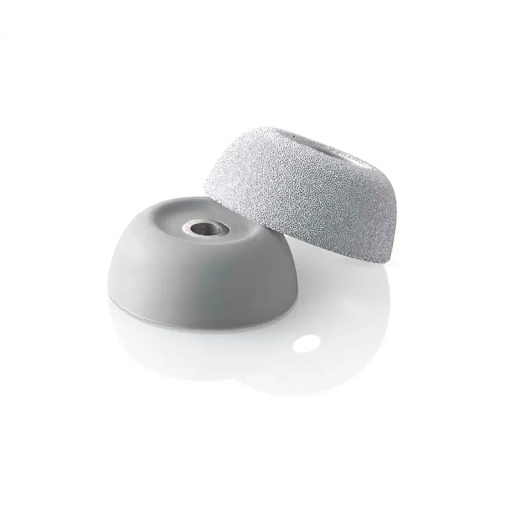
Tires constantly face wear from road friction, debris, temperature changes, and heavy vehicle loads. Because of this exposure, punctures, tread damage, and air leaks are among the most frequent issues drivers encounter. In professional tire maintenance environments, rubber tire repair tools help technicians diagnose and resolve these problems effectively. Proper repair techniques can restore tire performance, extend service life, and reduce the need for costly replacements. Understanding the most common forms of tire damage and the tools used to fix them helps vehicle owners and service professionals maintain safer, longer-lasting tires that perform reliably under everyday driving conditions.
Punctures from Road Debris
Sharp road debris, such as nails, screws, and metal fragments, is one of the leading causes of tire punctures. Even a small object embedded in the tread can allow air to escape slowly, eventually reducing tire pressure and affecting vehicle handling. Professional repair technicians use rubber tire repair tools to carefully inspect the puncture location and determine whether the tire can be safely repaired.
The repair process usually involves removing the foreign object, cleaning the puncture path, and preparing the interior surface for sealing. With proper preparation, technicians install a plug or patch that seals the air passage and restores the tire’s ability to maintain pressure. When handled by trained professionals, puncture repairs can safely extend the life of a tire while maintaining road safety.
Uneven Tread Wear and Surface Damage
Tread wear occurs naturally as tires make constant contact with the road, but uneven wear patterns may signal deeper issues such as wheel misalignment or improper inflation. If not addressed early, this damage can reduce traction and shorten the tire’s usable lifespan.
During maintenance procedures, technicians rely on specialized tire tools to inspect tread patterns and identify the cause of uneven wear. These tools assist in preparing the damaged area for repair and allow professionals to perform controlled surface work when restoring the tread area. By identifying the root cause of uneven wear and correcting it early, technicians help ensure that repaired tires maintain proper grip and durability.
Internal Tire Damage from Heat and Pressure
Driving with underinflated tires or carrying loads beyond the recommended capacity can generate excessive heat inside the tire. Over time, this heat weakens the internal rubber layers and may cause hidden structural damage. Because these issues are not always visible externally, thorough inspection becomes essential.
During professional repair preparation, technicians use specialized tire repair abrasives to treat and prepare the inner liner surface of the tire. These abrasives remove oxidation and create a properly textured surface that allows repair materials to bond effectively. When internal repairs are necessary, proper surface preparation ensures that patches adhere securely and maintain the structural stability of the tire.
Air Leaks and Valve System Failures
Gradual air loss is another common tire issue that may occur even when no visible puncture exists. In many cases, leaks originate from worn valve stems, small rim seal gaps, or damaged bead areas where the tire contacts the wheel rim.
Professional service technicians rely on rubber tire repair tools to diagnose these problems accurately and perform precise repairs. The process may involve replacing valve components, resealing the bead area, or correcting minor mounting issues that affect the tire’s ability to maintain air pressure. Addressing these problems early helps prevent unsafe driving conditions and improves overall tire efficiency.
Conclusion
Maintaining tire safety requires accurate inspection and professional repair procedures whenever damage occurs. Addressing punctures, tread wear, air leaks, and internal damage early helps prevent larger mechanical issues and extends the lifespan of the tire. In many professional repair processes, precise channel cleaning and preparation are performed using a tire repair rasp to ensure strong bonding and long-lasting results. Proper maintenance techniques allow service professionals to restore performance while ensuring vehicles remain safe on the road. Reliable repair procedures also depend on specialized equipment that prepares damaged surfaces for durable repairs.