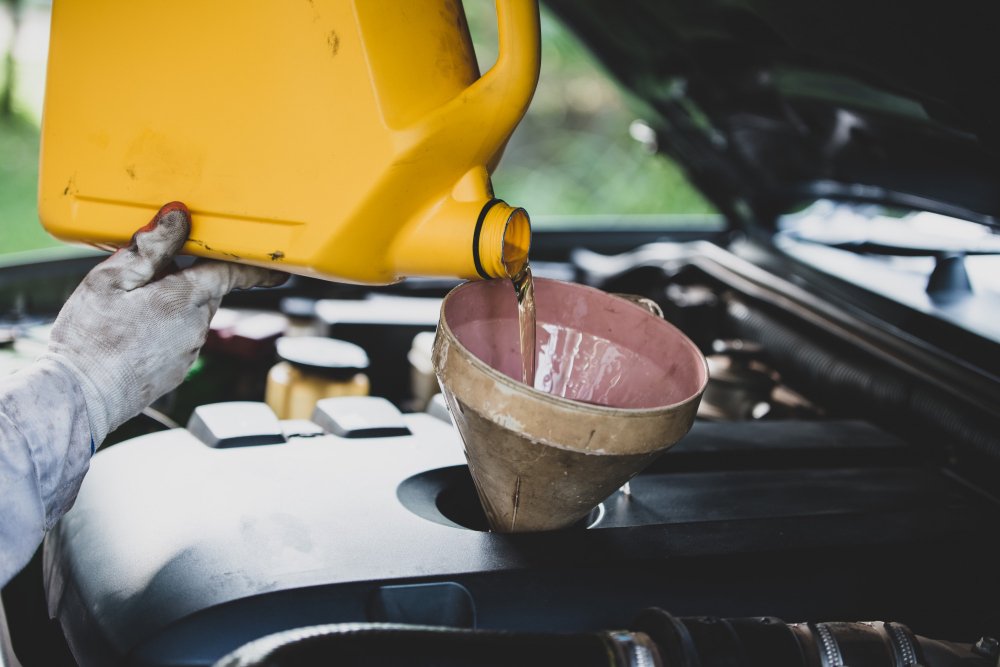
In the petroleum and manufacturing sector, choosing the right industrial lubricant oil is critical for ensuring smooth machinery performance, reduced downtime, and long-term equipment reliability. From refineries to heavy production units, lubrication directly impacts operational efficiency and cost control.
Why Industrial Lubrication Matters in Petroleum Operations
In demanding industries such as oil refining, petrochemicals, power plants, and heavy engineering, equipment runs continuously under high load and extreme temperatures. The right industrial lubricant oil protects moving components from friction, corrosion, oxidation, and premature wear.
For petroleum customers, lubrication is not just a maintenance product—it is a productivity tool. Poor lubrication can result in increased machinery breakdown, higher energy consumption, unexpected plant shutdowns, and expensive repair costs. Proper lubrication extends the lifespan of compressors, turbines, hydraulic systems, and gear assemblies used in petroleum processing facilities.
How to Choose the Right Industrial Lubricant for Your Plant
Every petroleum facility has unique operational challenges. The ideal lubrication solution depends on machine type, working environment, load conditions, and temperature range.
Here are essential factors to consider:
- Viscosity Grade: Select oil with proper viscosity suitable for high-load refinery equipment.
- Thermal Stability: Important for high-temperature refinery processes.
- Oxidation Resistance: Prevents sludge formation and deposit buildup.
- Anti-Wear Properties: Protects gears, bearings, and compressors.
- Water Separation Capability: Crucial in humid and coastal petroleum plants.
If your refinery operates in high-temperature regions of India or similar climates, lubrication stability becomes even more important. Many buyers look for high temperature lubricant oil for refinery machinery or the best industrial oil for heavy duty compressors. These solutions must be selected carefully to avoid operational losses.
Types of Industrial Lubricants Used in the Petroleum Industry
1. Gear Oils
Used in heavy-duty gearboxes and transmission systems in refinery operations. These oils prevent metal-to-metal contact and handle extreme pressure conditions.
2. Hydraulic Oils
Essential for hydraulic systems in drilling equipment and material handling machinery. They ensure smooth power transmission and reduce system wear.
3. Turbine Oils
Common in power generation units attached to petroleum plants. They offer oxidation stability and long service life.
4. Compressor Oils
Used in air and gas compressors. They prevent carbon deposits and maintain efficiency during continuous operation.
Each application demands a specific formulation. That is why working with a reliable lubricant manufacturer is important for petroleum buyers.
Customer Challenges in Petroleum Industry & Practical Solutions
Petroleum customers often face recurring lubrication-related issues. Understanding these challenges helps in selecting better-performing solutions.
Common Problems
- Frequent machinery overheating
- Oil contamination due to dust or moisture
- Short oil drain intervals
- Sludge formation inside equipment
- Unexpected bearing failures
Practical Solutions
- Use high-performance oils with strong oxidation resistance
- Conduct periodic oil analysis for contamination detection
- Select correct viscosity grade based on machinery manual
- Store lubricants in sealed and dry conditions
- Partner with a trusted supplier offering technical support
Choosing the right industrial lubricant oil reduces energy loss and increases production stability in refinery and petrochemical units.
Benefits of Using High-Quality Industrial Lubrication
High-quality lubrication products provide measurable advantages in petroleum environments:
- Extended equipment lifespan
- Reduced maintenance cost
- Improved fuel and energy efficiency
- Lower carbon deposit formation
- Protection against corrosion in coastal refinery zones
Petroleum buyers often look for long lasting lubricant oil for refinery equipment or energy efficient industrial oil for heavy machinery. Investing in premium lubrication reduces overall operational expenditure.
How Climate and Location Affect Lubricant Performance
In regions with high humidity, coastal salt exposure, or extreme heat, lubrication performance may degrade faster. For petroleum industries operating in India and similar climates, it is important to select oils with high thermal stability, rust and corrosion inhibitors, excellent water separation capability, and strong anti-foam characteristics.
This is particularly relevant for refineries located in coastal industrial belts or high-temperature zones. Climate-aware lubrication planning ensures longer machinery uptime.
Maintenance Tips for Better Lubrication Management
Petroleum facilities can enhance equipment reliability by implementing structured lubrication management:
- Schedule routine oil sampling and testing.
- Monitor oil temperature and pressure regularly.
- Replace filters during oil changes.
- Train maintenance teams on correct oil handling.
- Avoid mixing incompatible lubricant grades.
These small improvements significantly improve equipment health and plant productivity.

Frequently Asked Questions
1. What is industrial lubricant oil used for?
It is used to reduce friction, wear, and heat in heavy industrial machinery such as compressors, turbines, gear systems, and hydraulic units in petroleum plants.
2. How often should lubricant oil be changed in refinery equipment?
Oil change intervals depend on operating conditions, contamination levels, and manufacturer recommendations. Oil analysis helps determine accurate replacement timing.
3. Can lubricant performance affect energy consumption?
Yes. Proper lubrication reduces friction losses, which improves machinery efficiency and lowers energy costs.
4. What happens if wrong viscosity oil is used?
Using incorrect viscosity can lead to overheating, increased wear, and potential equipment failure.
5. Is climate important when selecting lubricant oil?
Absolutely. High temperature, humidity, and dust exposure directly impact oil stability and performance.
Choose Performance, Choose Reliability
For petroleum and heavy industrial customers, lubrication is a strategic investment rather than an operational expense. Selecting the right industrial lubricant oil ensures smoother production cycles, lower maintenance costs, and higher equipment reliability.
Velvex is a trusted name in the lubrication industry, offering high-performance solutions designed for refinery operations, petrochemical plants, and heavy machinery applications. With a strong commitment to quality, advanced formulations, and customer-focused support, Velvex delivers lubrication products that meet demanding industrial standards.
If you are looking for dependable lubrication solutions tailored for petroleum operations, Velvex provides the expertise and product range required to keep your machinery running efficiently and safely.