
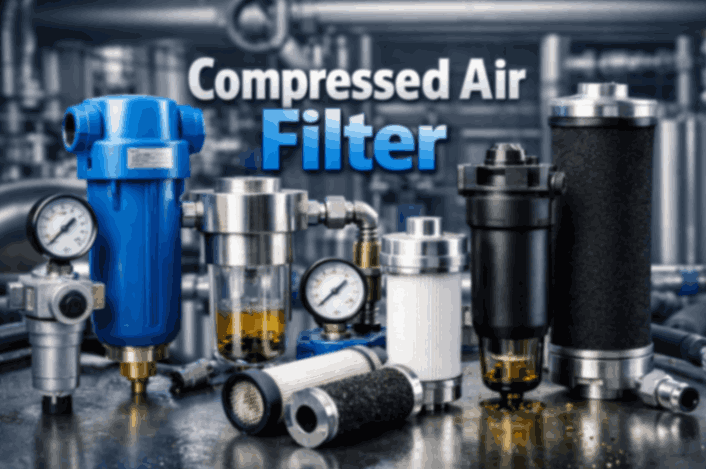
In modern industries, compressed air is often referred to as the fourth utility, alongside electricity, water, and gas. It powers tools, controls automation systems, supports manufacturing processes, and ensures smooth plant operations. However, compressed air is not naturally clean. It carries contaminants that can damage equipment, compromise product quality, and increase operational costs. This is where a Compressed Air Filter becomes an essential component of any compressed air system.
This blog explores what a compressed air filter is, why it matters, how it works, different types available, and how choosing the right filter can significantly improve system performance and longevity.
What Is a Compressed Air Filter?
A Compressed Air Filter is a device designed to remove impurities from compressed air before it reaches downstream equipment. These impurities may include dust particles, oil aerosols, water vapor, microorganisms, and even chemical vapors. Although compressed air may appear clean to the naked eye, it often contains harmful contaminants introduced during the compression process or drawn from the surrounding environment.
By installing a compressed air filter, industries ensure that only clean, dry, and safe air flows through their systems.
Why Compressed Air Needs Filtration
Atmospheric air contains dust, moisture, pollen, and microorganisms. When air is compressed, the concentration of these contaminants increases dramatically. Additionally, compressors can introduce oil particles, rust, and scale into the air stream.
Without proper filtration, these contaminants can cause:
- Premature wear and failure of pneumatic tools
- Corrosion in pipelines and valves
- Reduced efficiency of production processes
- Product contamination in sensitive industries
- Increased maintenance and downtime
A high-quality compressed air filter prevents these problems by maintaining air purity and system reliability.
How a Compressed Air Filter Works
A compressed air filter operates by forcing air through a filter element that captures contaminants based on size, density, and composition. Most filters use a multi-stage process:
- Inlet Deflection – Incoming air changes direction, causing heavy particles and liquid droplets to separate due to gravity.
- Coalescing Action – Fine oil and water aerosols merge into larger droplets.
- Filtration Media – Solid particles are trapped within the filter element.
- Drainage System – Collected liquids are automatically or manually drained.
This process ensures that air leaving the filter is significantly cleaner and safer for use.
Types of Compressed Air Filters
Different applications require different levels of air purity. Understanding the types of compressed air filters helps in selecting the right solution.
1. Particulate Filters
These filters remove solid particles such as dust, rust, and dirt. They are usually the first stage of filtration and protect downstream components from physical damage.
2. Coalescing Filters
Coalescing compressed air filters are designed to remove oil aerosols and fine water droplets. They are critical in systems where lubrication contamination must be minimized.
3. Activated Carbon Filters
Used for odor and vapor removal, these filters eliminate oil vapors and hydrocarbons. They are essential in applications requiring extremely clean air.
4. Sterile Filters
Common in pharmaceutical and food industries, sterile filters remove microorganisms and bacteria, ensuring hygienic air quality.
Each compressed air filter type serves a specific purpose, and combining multiple filters often delivers the best results.
Key Benefits of Using a Compressed Air Filter
Installing a compressed air filter provides measurable advantages across industrial operations.
Improved Equipment Lifespan
Clean air reduces wear on valves, cylinders, and pneumatic tools, extending equipment life and lowering replacement costs.
Enhanced Product Quality
In industries such as food processing, electronics, and pharmaceuticals, a compressed air filter prevents contamination that could compromise final products.
Reduced Maintenance Costs
By preventing dirt and moisture buildup, filters minimize unplanned downtime and expensive repairs.
Energy Efficiency
Clean air flows more efficiently through systems, reducing pressure drops and saving energy.
Compliance with Industry Standards
Many industries must meet strict air quality regulations. Proper compressed air filtration ensures compliance and avoids penalties.
Applications of Compressed Air Filters
Compressed air filters are used across a wide range of industries, including:
- Manufacturing and automation
- Automotive assembly
- Food and beverage processing
- Pharmaceutical production
- Chemical plants
- Textile and printing industries
- Electronics and semiconductor manufacturing
In each of these sectors, a compressed air filter plays a vital role in maintaining process integrity and operational safety.
Choosing the Right Compressed Air Filter
Selecting the right compressed air filter depends on several factors:
Air Quality Requirements
Determine how clean the air must be for your application. Sensitive processes require finer filtration.
Flow Rate and Pressure
Filters must match the system’s airflow capacity to avoid pressure loss.
Contaminant Type
Identify whether you need to remove solids, liquids, oil vapors, or microorganisms.
Maintenance Frequency
Consider filters with easy-to-replace elements and efficient drainage systems.
A poorly selected compressed air filter can reduce system efficiency, so proper assessment is essential.
Maintenance and Replacement Tips
Even the best compressed air filter requires regular maintenance to perform effectively.
- Inspect filter elements periodically for clogging
- Replace elements according to manufacturer guidelines
- Ensure automatic drains are functioning properly
- Monitor pressure drop across the filter
Neglecting maintenance can turn a filter into a restriction point, increasing energy costs and reducing performance.
Common Myths About Compressed Air Filters
“Compressed air is already clean”
This is one of the most common misconceptions. Without filtration, compressed air often contains more contaminants than ambient air.
“One filter is enough for all applications”
Different contaminants require different filtration technologies. Multi-stage filtration is often necessary.
“Filters are optional accessories”
In reality, a compressed air filter is a critical system component, not an add-on.
Future Trends in Compressed Air Filtration
Advancements in filtration technology are making compressed air filters more efficient and environmentally friendly. Modern filters feature low-pressure drop designs, smart monitoring systems, and longer service intervals. Sustainability is also driving the development of recyclable filter elements and energy-efficient designs.
As industries continue to automate and demand higher air purity, the importance of advanced compressed air filter solutions will only grow.
Conclusion
A Compressed Air Filter may seem like a small component, but its impact on industrial efficiency, product quality, and operational reliability is enormous. From removing harmful contaminants to protecting valuable equipment, compressed air filters are essential for any system that relies on compressed air.
By understanding how compressed air filters work, selecting the right type, and maintaining them properly, businesses can reduce costs, improve performance, and ensure long-term system health. In a world where efficiency and quality are paramount, investing in the right compressed air filtration solution is not just smart—it’s essential.
