A subtle revolution is unfolding on the trails. You might have caught the excitement—or perhaps felt it whiz by you on a climb that once left you gasping for air. The era of the electric mountain bike has arrived, and it’s altering everything we believed we understood about mountain biking.
Some refer to it as progress. Others label it as cheating. Many simply call it enjoyable.
Regardless of your stance in this discussion, one fact is undeniable: the electric bicycle mountain bike—or electric MTB, as enthusiasts refer to it—is here to remain. And it’s not exclusively for tech aficionados or casual riders. It’s for anyone who has ever envisioned pushing their boundaries without hitting a wall. It’s for every cyclist who has relished the excitement of the trail but wished the uphill climbs didn’t feel so grueling.
Let’s simplify it—no technical jargon, no exaggeration. Just a straightforward, genuine examination of how electric mountain bikes are transforming the way we ride, discover, and connect.
What Exactly Is an Electric Mountain Bike?
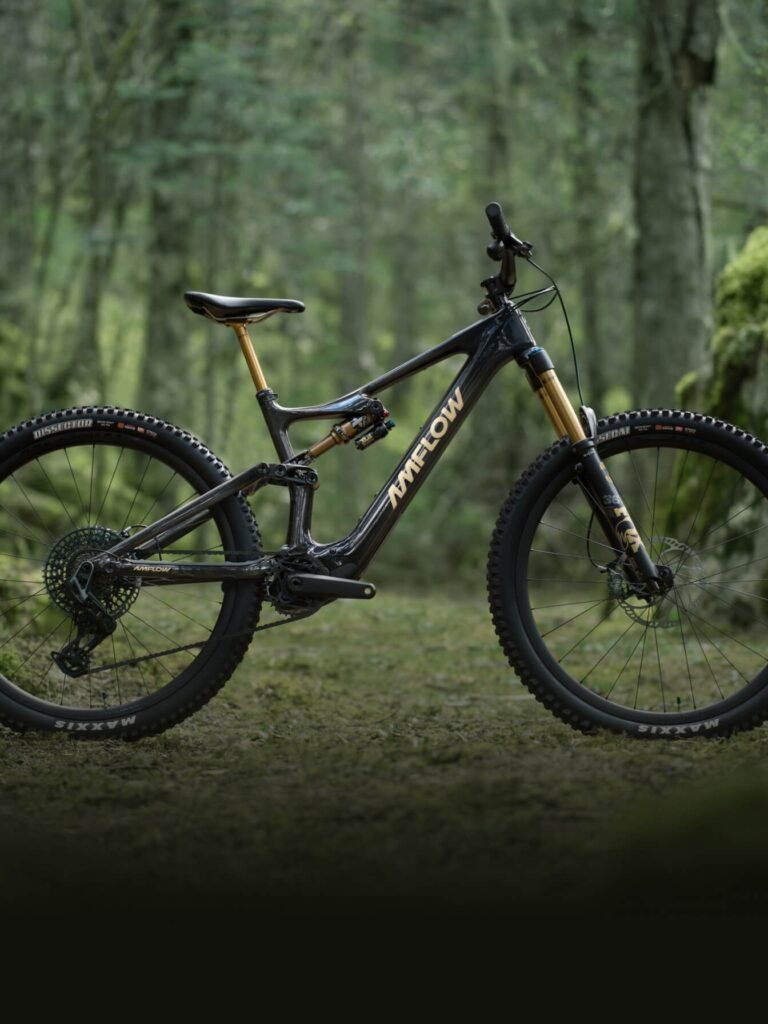
At first glance, an electric mountain bicycle resembles a conventional mountain bike quite closely. It has the same robust tires, the same aggressive frame design, and the same suspension systems engineered to absorb rugged terrain. However, concealed within its structure is something powerful: an electric motor, usually positioned near the crank (mid-drive) or rear hub, along with a rechargeable battery that powers your ride.
The primary distinction? The motor doesn’t replace pedaling—it enhances it. That’s why these bikes are termed “pedal-assist.” You still need to exert effort. You still break a sweat. But instead of laboring your way up a steep incline, the motor provides an additional boost to your pedaling.
The outcome? More trails. Extended adventures. Fewer justifications.
Why the Electric MTB is Generating Buzz
There was a time when electric mountain bikes were perceived as a niche product. A gimmick. A fleeting tech trend for those who preferred an easier ride. But that perception is rapidly changing.
Here’s why an increasing number of riders are shifting gears and welcoming the electric side of the trail.
Read more:- Ultimate Bike Size Guide: Find Your Perfect Fit for Road, Mountain, Hybrid & E-Bikes
1. Accessibility for Everyone
Not everyone possesses the lung capacity of a 25-year-old professional cyclist. Perhaps it’s your knees. Maybe it’s your cardiovascular fitness. Or maybe it’s simply that life is hectic, and you lack the time to develop elite endurance.
An electric bicycle mountain bike levels the playing field. You can ride alongside stronger friends. You can tackle trails you once thought were beyond your reach. You can prioritize enjoyment over exhaustion.
2. Ride Further, More Frequently
Let’s be honest—some of the most incredible trails are nestled deep within nature, miles away from the parking area. The thought of spending hours just to reach the trailhead can often keep your bike in the garage.
An electric mountain bike changes that. With extended battery life and efficient motors, you can cover 30, 40, or even 60+ miles in a single outing. And when it doesn’t feel like a chore, you’ll find yourself riding more often—before work, after dinner, or whenever you have a spare hour.
3. The Downhill is Just the Start
Traditional mountain biking has always revolved around the reward—endure the uphill, relish the descent. With electric assistance, the entire ride becomes the reward. You can loop a trail multiple times, revisit your favorite flow section repeatedly, or ascend a challenging fire road without feeling exhausted halfway up.
The bike isn’t doing the work for you—it’s empowering you to accomplish more with your effort.
Who’s Embracing Electric Mountain Bikes?
A more pertinent question might be—who isn’t?
When electric MTBs first emerged, the stereotype was clear: older riders, tech enthusiasts, or individuals who couldn’t “keep up” on traditional bikes. But that stereotype has been overturned.
Today’s electric mountain bike community encompasses:
- Younger riders eager to train smarter and maximize trail time
- Families wanting to ride together, even with varying fitness levels
- Commuters who enjoy off-road routes for work or errands
- Weekend adventurers seeking maximum excitement in minimal time
- Aging cyclists wishing to remain on the trails they cherish—without discomfort
Electric MTB isn’t merely a tool. It’s a bridge. A connection between who we are now and who we were on the trail a decade ago.
Discover More: AMFLOW PL
What Sets an Electric Bicycle Mountain Bike Apart?
If you envision a bulky, heavy, battery-laden contraption—stop right there. Modern electric bicycle mountain bikes are sleek, sophisticated, and designed for the trails. Here’s what distinguishes them:
✅ Pedal-Assist System
Most utilize a mid-drive motor, providing a natural-feeling boost as you pedal. It detects torque and cadence, ensuring that the power delivery feels smooth and responsive—not like a scooter.
✅ Intelligent Battery Management
Batteries typically range from 500Wh to 750Wh, with higher-end models reaching even greater capacities. Many bikes now feature real-time range estimations, power modes, and smartphone connectivity.
✅ Trail-Optimized Geometry
Electric MTBs are crafted for the trails. Sturdier frames, finely-tuned suspension, wider tires, and hydraulic disc brakes are standard. Weight is distributed to maintain balance, avoiding a bottom-heavy feel.
Multiple Modes
Most bikes provide various assist levels—Eco, Trail, Boost, etc.—allowing you to control how much assistance you desire. Want a challenging workout? Stick to Eco. Need to conquer a steep hill? Activate Boost and hold on tight.
Are There Any Drawbacks?
Let’s be candid. Electric mountain bikes aren’t suitable for everyone or every scenario.
- They’re heavier. Most eMTBs weigh between 40–55 lbs, which can be noticeable on tight, technical climbs.
- They’re pricey. Anticipate spending at least $2,500 for a dependable model, with high-end bikes exceeding $10K.
- Trail access varies. Some parks or singletrack areas prohibit e-bikes, particularly those classified above Class 1.
- You’ll require charging infrastructure. If you venture deep into the backcountry, you’ll need to plan your battery usage carefully.
However, here’s the reality: for the majority of people, the advantages significantly outweigh the drawbacks.
What to Consider When Choosing Your First Electric MTB
Searching for an electric mountain bicycle can feel daunting. So here’s a quick reference guide to assist you:
- Motor Type: Mid-drive motors (Bosch, Shimano, Brose) provide better balance and climbing torque compared to hub motors.
- Battery Size: Aim for at least 500Wh; the more watt-hours, the further you can travel.
- Suspension: Full-suspension is preferable for rough trails; hardtails are adequate for lighter terrain and are more affordable.
- Class: Stick with Class 1 (pedal-assist, 20mph max) if you intend to ride on public trails.
- Range & Weight: Understand how far you wish to ride and whether you’ll need to lift or transport the bike frequently.
- Test Before You Purchase: Demo days are invaluable. Ride a few different styles—trail, enduro, XC—and see what feels right.
The Electric Trail Culture
One of the most impactful aspects of the electric MTB movement is the dialogue it has initiated.
How do we share trails? How do we maintain access while embracing innovation? How can we ensure that riders of all ages and abilities feel included?
These are important questions. And while there remains tension between traditional riders and e-bike enthusiasts, one thing is certain: the conversation is evolving from “should e-bikes exist?” to “how do we ride them responsibly?”
With proper etiquette—slowing down, yielding to others, respecting trail regulations—electric mountain bikes can coexist harmoniously, and even flourish, within the broader cycling community.
Why This is More Than Just a Fad
We are in the midst of a transformation. Bike manufacturers aren’t merely experimenting with electric—they’re making significant investments. Riders aren’t just curious—they’re dedicated. Trail systems, bike parks, and even event organizers are adapting to accommodate this new riding style.
The electric bicycle mountain bike isn’t replacing traditional biking. It’s adding a new dimension. It’s a novel way to fall in love with the trail—whether for the first time or all over again.
It’s what occurs when freedom meets technology, and the trail evolves from mere dirt into a realm of possibilities.
Ready to Hit the Trails?
Whether you’re a seasoned rider or someone just beginning to discover the magic of cycling, the electric mountain bike offers something genuine: freedom, challenge, connection, and joy.
Not a substitute. Not a shortcut. Just a different kind of experience.
So the next time you see one zoom by, perhaps don’t scoff. Maybe give it a try. You might be pleasantly surprised by how right it feels.
Power up. Pedal on. The mountain awaits.