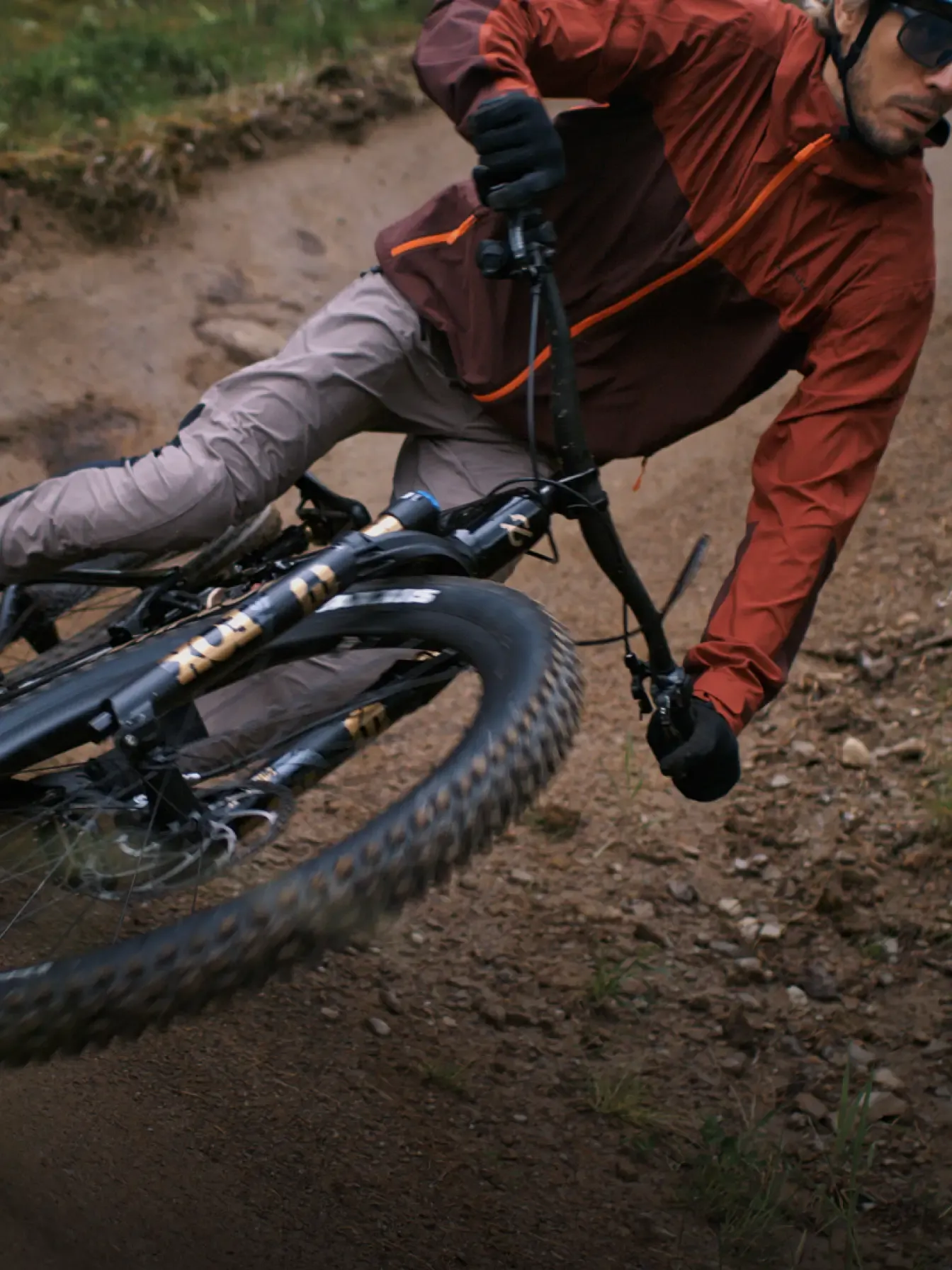
Across the United States, from rocky desert trails to dense forest routes and high-altitude mountain passes, a new breed of performance bike is changing how people ride. The electric mountain bike has rapidly evolved into one of the most capable, versatile, and exciting tools for outdoor exploration. With smart electric assistance, advanced suspension, and adaptive geometry, today’s electric off-road bikes allow riders to climb higher, ride farther, and explore more of America’s terrain than ever before. In this guide, we explore how the electric mountain bicycle is transforming off-road riding and why the modern electric MTB is becoming the top choice for U.S. adventurers.
What Is an Electric Mountain Bike?
An electric mountain bike is a mountain bicycle equipped with an electric motor and a rechargeable battery that enhances the rider’s pedaling power. This system is pedal-assist only — meaning the motor activates when you pedal, not through a throttle. This design keeps the ride athletic and authentic while giving you extra support where you need it most.
Riders choose electric-assist bikes because they allow:
- Longer rides without burnout
- Easier climbing on steep mountain trails
- Confident control on technical terrain
- More adventure in a single day
In short, the electric mountain bicycle expands what’s possible for riders of all skill levels.
How the Electric Mountain Bike Works
The engineering behind an electric MTB is designed to make the ride powerful, smooth, and natural.
1. Mid-Drive Motor System
Most modern electric mountain bikes use mid-drive motors positioned near the pedals. These motors are ideal for off-road riding because they:
- Provide high torque for climbing
- Keep the bike’s center of gravity low
- Offer balanced handling
- Deliver responsive power
Torque ratings typically range from 60 to 90 Nm, giving riders the strength to conquer steep or technical terrain.
2. Rechargeable Lithium-Ion Battery
The battery, often integrated seamlessly into the frame, powers the motor. Standard capacities range from 500Wh to 750Wh, delivering:
- 30–80 miles per charge
- Fast charging times
- Excellent heat and impact resistance
Integrated batteries also offer improved aesthetic appeal and better protection from trail debris.
3. Sensors and Power Management
Electric mountain bicycles use:
- Cadence sensors
- Torque sensors
- Speed sensors
These components work together to determine how much motor assistance is needed at any moment, ensuring power delivery feels predictable and smooth.
4. Adjustable Assist Modes
Riders can choose modes like:
- Eco – light assistance for maximum range
- Trail – balanced power for mixed terrain
- Boost/Turbo – maximum support for steep climbs or technical obstacles
This flexibility makes the electric MTB suitable for all kinds of riding environments.
Why the Electric Mountain Bike Is Dominating U.S. Trails
The adoption of electric MTBs in the United States has skyrocketed, and for good reason.
1. Better Climbing Performance
American trails often involve sharp elevation changes. The motor power helps riders maintain momentum and traction without exhausting themselves early in the ride.
2. Access to Harder and Longer Trails
With support from the electric system, riders can explore:
- Multi-mile loops
- Mountain summits
- High-altitude trails
- Remote backcountry paths
This is one of the biggest advantages of the electric mountain bicycle.
3. Improved Rider Confidence
New riders feel safer and more capable on technical sections. Meanwhile, experienced riders use the electric MTB to improve their skills and push limits.
4. Year-Round Riding
Electric assistance helps riders power through snow, mud, wind, and other harsh conditions found in states like Colorado, Montana, and Washington.
5. Dual-Purpose Versatility
Unlike traditional mountain bikes, electric mountain bikes are practical for weekday commuting:
- Faster rides
- Smoother hill climbing
- Reduced sweat
- Lower transportation costs
Many U.S. riders now rely on one bike for trails and city use.
Technology Advancing the Electric Mountain Bicycle
High-Performance Motors
New motors are:
- Smaller
- Lighter
- More powerful
- Quieter
- More efficient
Torque delivery has become smoother, allowing riders to navigate rocky, root-filled, or narrow paths with confidence.
Long-Life Battery Systems
Advancements in battery chemistry have brought:
- Better energy density
- Longer range
- Faster charging
- Improved durability in extreme temperatures
Some electric MTBs even support dual-battery setups.
Enhanced Suspension and Geometry
Electric MTBs now feature:
- Reinforced frames
- Electric-specific geometry
- Tuned suspension for added weight
- Increased stiffness for rough terrain
These upgrades improve stability and control.
Digital Connectivity
Smartphone integration allows riders to:
- Track ride data
- Customize assist modes
- Monitor battery usage
- Use GPS and navigation
- Update motor firmware
This makes the electric mountain bicycle a connected riding system.
How the Electric MTB Enhances Rider Skill
Contrary to old myths, electric MTBs do not replace skill — they accelerate it.
1. Perfect Momentum Through Technical Trails
Momentum is key when navigating obstacles like:
- Rocks
- Logs
- Roots
- Sand
- Loose gravel
Electric assist helps maintain consistent speed, making technical riding smoother and safer.
2. Better Climbing Form
Riders can practice proper climbing techniques without fatigue slowing them down. This includes:
- Cadence control
- Weight shifting
- Traction management
3. More Time Riding, Less Time Recovering
Because fatigue is reduced, riders spend more time practicing:
- Descents
- Cornering lines
- Drop techniques
- Line selection
More riding = faster skill development.
Electric Mountain Bikes and the U.S. Outdoor Boom
The electric mountain bicycle fits perfectly into America’s growing outdoor recreation movement.
1. Rising Demand for Nature-Based Activities
Millions of Americans are choosing outdoor sports for fitness, wellness, and stress relief.
2. Expanding Trail Access
A growing number of national forests, state parks, and bike networks are opening to class-1 eMTBs.
3. Adventure Tourism Growth
Destinations like Colorado, Utah, Montana, and Oregon now offer:
- Electric MTB rentals
- Guided eMTB tours
- Electric MTB demo centers
4. Community Inclusiveness
eMTBs allow families and mixed-skill groups to ride together without leaving anyone behind.
Electric Mountain Bike vs. Traditional MTB
| Feature | Electric Mountain Bike | Traditional Mountain Bike |
| Climbing Ability | Excellent with motor torque | Depends on fitness |
| Range | 30–80 miles | Limited by stamina |
| Rider Fatigue | Much lower | Much higher |
| Terrain Capability | Great for steep, rough terrain | Demanding |
| Best For | All riders | Experienced riders |
The electric MTB does not replace traditional mountain biking — it elevates it.
How to Choose the Right Electric Mountain Bike
1. Motor Torque
Choose:
- 60–70 Nm for moderate trails
- 80–90 Nm for steep technical climbs
2. Battery Capacity
- 500Wh for short rides
- 600–750Wh for long trail days
3. Suspension Type
- Hardtail: Lighter and more affordable
- Full-suspension: Best for rough, technical riding
4. Frame Geometry
Look for electric-specific geometry that improves stability at higher speeds.
5. Smart Features
GPS compatibility, tuning apps, and real-time ride data enhance performance.
6. Test Ride Before Buying
Every electric mountain bicycle feels different based on geometry, motor tuning, and suspension.
The Future of Electric Mountain Biking in the U.S.
AI-Driven Riding
Future electric MTBs will automatically adjust power based on:
- Cadence
- Terrain
- Heart rate
- Fatigue estimates
Lighter, More Powerful Batteries
Advancements will bring smaller batteries with greater range.
Sustainability
We’ll see more eco-friendly:
- Frame materials
- Battery production
- Manufacturing processes
Urban + Trail Hybrid Models
More electric MTBs will blend street utility with trail capability.
Conclusion
The electric mountain bike has become a defining force in the evolution of off-road riding in the United States. With high-torque motors, long-range batteries, refined suspension systems, and advanced digital features, the electric mountain bicycle empowers riders of all levels to explore deeper, climb higher, and ride more confidently. As technology continues to evolve and trail access expands nationwide, the electric MTB will remain at the center of America’s outdoor adventure movement — opening the door to a future where riding is more fun, accessible, and limitless than ever.