
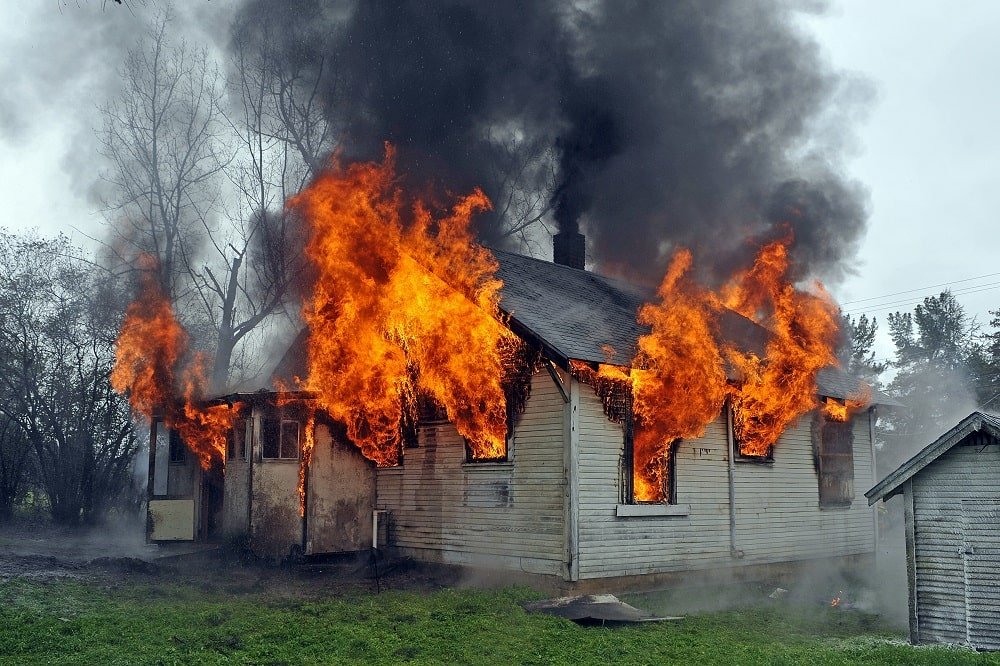
A fire can destroy property within minutes, leaving homeowners and businesses overwhelmed by loss, stress, and uncertainty. Once the flames are extinguished, the focus shifts to recovery and one of the biggest challenges is navigating the fire insurance claim process. Understanding how to file a fire damage claim, what documents you need, and how to communicate with your insurance company can make the difference between a denied, delayed, or fairly paid claim.
This fire damage insurance claim guide is designed to help homeowners, property managers, commercial property owners, and HOAs understand the steps, documents, timelines, and best practices needed to secure a fair insurance settlement. If you need expert assistance, the licensed public adjusters at Insurance Claim Recovery Support (ICRS) help policyholders not insurers recover the maximum compensation they deserve.
Why Fire Damage Insurance Claims Are Complex
Fire damage claims are among the most complicated property insurance claims because fires often cause multiple layers of destruction, such as:
- Structural damage from flames
- Smoke and soot damage affecting walls, ceilings, and HVAC systems
- Water damage from firefighting efforts
- Mold growth after water exposure
- Loss of business income
- Personal property loss
- Damage to electrical and mechanical systems
Insurance companies may dispute the extent, cost, or cause of fire-related damages. This makes documentation, timelines, and expert representation critical.
How to File a Fire Damage Claim (Step-by-Step)
Filing a fire damage claim correctly can significantly speed up your recovery. Here’s the step-by-step process every property owner must follow:
1. Contact Your Insurance Company Immediately
Notify your insurer as soon as possible. Provide:
- Policy number
- Date and time of the fire
- Location of the property
- Immediate concerns like safety, temporary housing, or structural instability
Follow their instructions on required documentation and deadlines.
2. Review Your Insurance Policy Carefully
Before signing anything or giving statements, review key policy sections:
- Coverage limits
- Exclusions
- Deductibles
- Loss of Use (ALE or business interruption)
- Personal Property coverage
- Code upgrade coverage (Ordinance & Law)
ICRS public adjusters can help interpret complex policy language to ensure you understand your rights.
3. Secure the Property
Take steps to prevent further damage:
- Board up broken windows
- Secure doors
- Cover exposed roof areas
- Remove water
- Protect valuables
Your insurance policy requires you to mitigate additional loss.
4. Document All Fire Damage Thoroughly
This step is critical. Before cleanup, create a complete record:
Take Photos & Videos
Document:
- Each room
- Burned structures
- Soot-covered surfaces
- Damaged appliances, electronics, furniture
- Firefighting water damage
Create a Detailed Inventory of Damaged Items
Include:
- Item name
- Brand & model
- Age
- Purchase price
- Estimated replacement cost
The more detailed your documentation, the stronger your claim.
5. Get Professional Estimates
Insurance companies often use their own preferred vendors. You are not required to use them.
Hire independent experts for:
- Reconstruction estimates
- Smoke remediation
- Electrical inspections
- HVAC cleaning
- Personal property evaluations
ICRS can coordinate and validate these estimates to ensure accuracy.
6. Meet the Insurance Adjuster
Your insurer will send an adjuster to inspect the property. To protect your claim:
- Be present
- Do not minimize damages
- Do not speculate about the fire’s cause
- Provide your documentation
- Request everything in writing
A public adjuster acting on your behalf can ensure nothing is overlooked.
7. Keep All Communication in Writing
Maintain copies of:
- Emails
- Letters
- Estimates
- Receipts
- Adjuster notes
- Claim forms
Written proof prevents misunderstandings and disputes.
8. Track Additional Living Expenses (ALE)
If you cannot live in your home, your policy may cover:
- Temporary housing
- Food
- Laundry
- Transportation
- Pet boarding
Keep all receipts and submit them to your insurer.
9. Negotiate the Claim (Don’t Settle Too Quickly)
Insurance companies may:
- Undervalue damages
- Exclude legitimate losses
- Apply depreciation incorrectly
- Delay responses
- Offer quick but low settlements
A public adjuster can negotiate to ensure you receive full compensation.
10. Get Fire Damage Claim Help When Needed
If your claim is:
- Delayed
- Underpaid
- Denied
- Too complex
- Too stressful
You have the right to hire a licensed public adjuster. ICRS specializes in large-loss claims and represents policyholders not insurers.
Fire Damage Checklist for Homeowners
To stay organized, use this essential checklist:
✔ Immediate Steps
- Call 911 and ensure safety
- Contact your insurance company
- Request a certified copy of your insurance policy
- Arrange temporary housing if needed
- Secure the property
✔ Documentation
- Take detailed photos & videos
- Create a personal property inventory
- Record all damages before cleanup
- Collect receipts for emergency repairs
✔ Mitigation
- Board up windows
- Tarp roof openings
- Remove standing water
- Prevent mold growth
✔ Claim Management
- Keep a communication log
- Collect estimates from independent contractors
- Submit a sworn proof of loss (if required)
- Follow policy deadlines
✔ Financial Tracking
- Keep receipts for all ALE expenses
- Track repair costs
- Save invoices for cleaning services
✔ Professional Support
- Consider hiring a public adjuster
- Seek legal assistance if the insurer acts in bad faith
- Use third-party experts for valuations
This checklist keeps homeowners organized and ensures nothing is overlooked when filing a fire damage claim.
Common Reasons Fire Damage Claims Get Denied or Underpaid
Insurance companies frequently reduce or deny claims due to:
- Insufficient documentation
- Inadequate proof of ownership
- Disputes over the fire’s cause
- Claiming damage as “pre-existing”
- Excluding smoke or water damage
- Lowballing repair estimates
- Missed deadlines
- Policy loopholes
A public adjuster can help avoid these issues.
Why Working With a Public Adjuster Helps
Insurance adjusters work for the insurance company not the policyholder. Public adjusters represent you. ICRS:
- Documents all fire-related damages
- Interprets complex policy language
- Negotiates with insurers
- Prepares proofs of loss
- Ensures maximum payout
- Saves you time and stress
With large-loss fire claims, expert representation is often essential.
When to Call Insurance Claim Recovery Support (ICRS)
You should consider professional help if:
- The claim feels overwhelming
- Your payout seems too low
- The insurer is delaying or ignoring you
- Your business is losing income
- The fire caused heavy structural damage
- Personal property losses are extensive
ICRS is trusted nationwide for managing and negotiating complex insurance claims for policyholders.
Learn more or request help now:
👉 https://insuranceclaimrecoverysupport.com/
Conclusion
Filing a fire damage claim is a detailed and often stressful process but it doesn’t have to be confusing. With the right fire damage insurance claim guide, checklists, documentation, and expert support, homeowners and businesses can secure the full recovery they deserve.
If you need professional fire damage claim help, ICRS is here to support you every step of the way.
Protect your rights. Maximize your claim. Recover with confidence.
